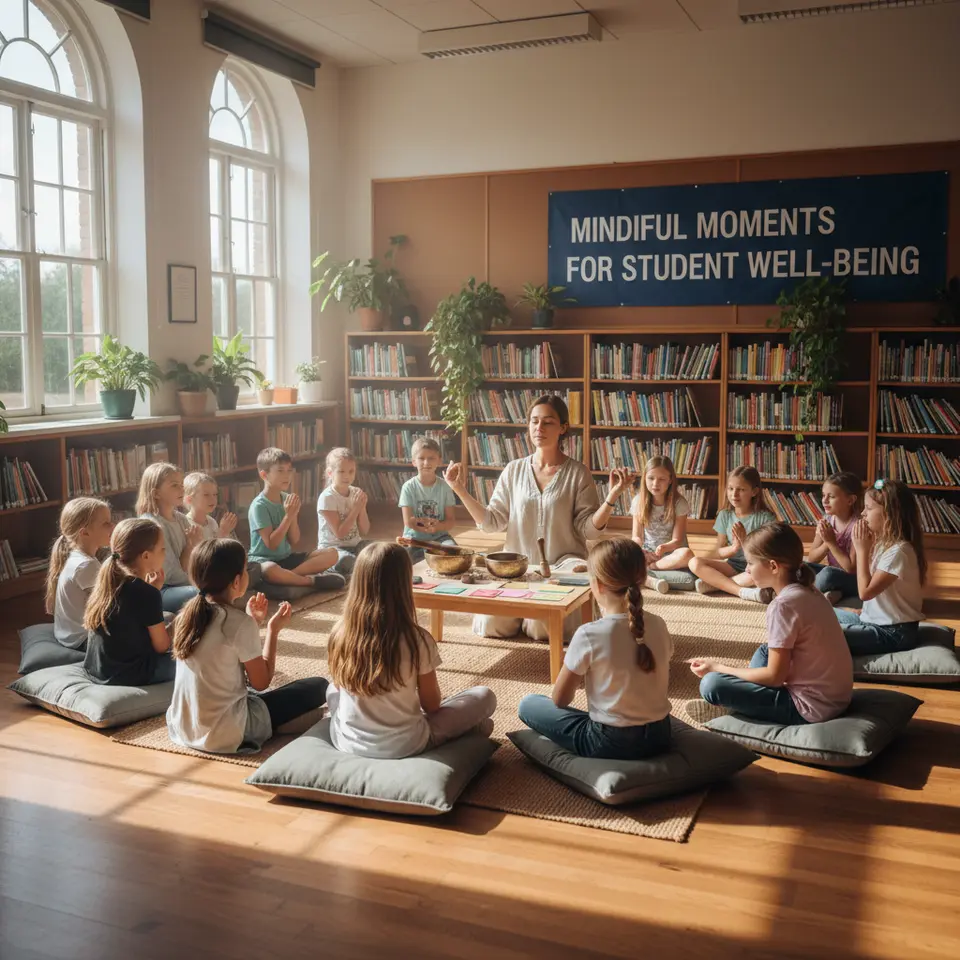
In today’s digital landscape, educators and administrators are seeking innovative approaches to support student well-being while enhancing academic performance. One strategy gaining momentum this year (2026) is mindfulness in schools. By fostering a culture of presence and self-awareness, schools can equip young learners with tools to handle everyday pressures—from deadlines and examinations to social dynamics and screen distractions. Integrating short, intentional practices into daily routines encourages students to observe their thoughts, acknowledge emotions, and reconnect with the present moment without judgment.
Research indicates that embedding mindfulness in schools not only reduces stress and anxiety but also nurtures emotional intelligence, improves classroom behavior, and boosts concentration. Such benefits align with institutional goals of cultivating resilient, socially conscious, and academically motivated individuals. In this comprehensive guide, we explore the foundations of mindful education, outline its proven advantages, present practical exercises for diverse age groups, discuss strategies for building institutional buy-in, and highlight methods for evaluating program impact. Whether you’re a teacher, counselor, or school leader, this resource offers evidence-based insights and actionable steps to create more supportive learning environments in your community.
What is Mindfulness and Why It Matters for Young Learners

Defining Mindfulness in Educational Settings
Mindfulness in schools refers to the intentional practice of paying attention to thoughts, sensations, and surroundings with curiosity and without criticism. Unlike formal meditation retreats, classroom mindfulness sessions are brief, accessible, and tailored to a dynamic school environment. These practices invite students to notice breathing patterns, shift focus away from distractions, and become more attuned to internal experiences. By demystifying the concept and framing it as a mental skill rather than a spiritual discipline, educators can help learners from diverse backgrounds embrace the approach.
Neuroscience and Cognitive Impact
Neuroimaging research reveals that consistent mindfulness training can modify brain regions tied to attention, emotion regulation, and memory. Studies published by the National Institutes of Health (https://www.nih.gov/) demonstrate increased gray matter density in the prefrontal cortex and hippocampus—areas involved in decision-making and learning. Concurrently, activity in the amygdala, the brain’s alarm center, diminishes, resulting in a calmer stress response. Such neural adaptations suggest that regular practice supports cognitive flexibility and enhances working memory capacity, critical skills for students managing complex tasks.
Key Advantages of Mindful Practices in Academic Environments
Cognitive Enhancements
Integrating mindfulness in schools yields measurable improvements in attention span and mental clarity. Students who participate in brief daily exercises show a marked reduction in mind-wandering and exhibit stronger executive function abilities, including planning and problem-solving. According to the American Psychological Association (https://www.apa.org/), classroom-based mindfulness correlates with higher scores on standardized tests and improved retention of new concepts. By training students to shift focus intentionally, teachers can reduce classroom disruptions and foster deeper engagement.
Emotional and Social Growth
Beyond cognitive gains, mindfulness cultivates emotional intelligence by encouraging learners to recognize and name feelings. This heightened self-awareness enables them to manage stress and confront challenges with resilience. Peer interactions also benefit: increased empathy and compassion lead to more supportive relationships among classmates. Educators report fewer conflicts and a more harmonious atmosphere when students practice perspective-taking and nonjudgmental listening.
Academic Performance and Behavior
Schools that embed mindful pauses into lessons observe declines in behavioral incidents and absenteeism. In environments where students have tools to self-regulate, teachers spend less time on discipline and more on instruction. Over time, a positive feedback loop emerges: calmer classrooms support sustained focus, resulting in higher achievement and a stronger sense of school connectedness. Collectively, these outcomes reinforce the value of mindfulness as a multi-dimensional strategy for holistic student development.
Effective Techniques to Incorporate Mindfulness in Classrooms
Breathing and Awareness Breaks
Simple breathing exercises can be woven between transitions to anchor students’ attention. Invite learners to close their eyes or soften their gaze, place one hand on their chest, and observe the sensation of air entering and leaving their lungs. Labeling the breath with silent cues—such as “in” on the inhale and “out” on the exhale—supports concentration. Starting with one-minute intervals and gradually extending to three minutes helps normalize these pauses without cutting into instructional time.
Body Scan and Movement Activities
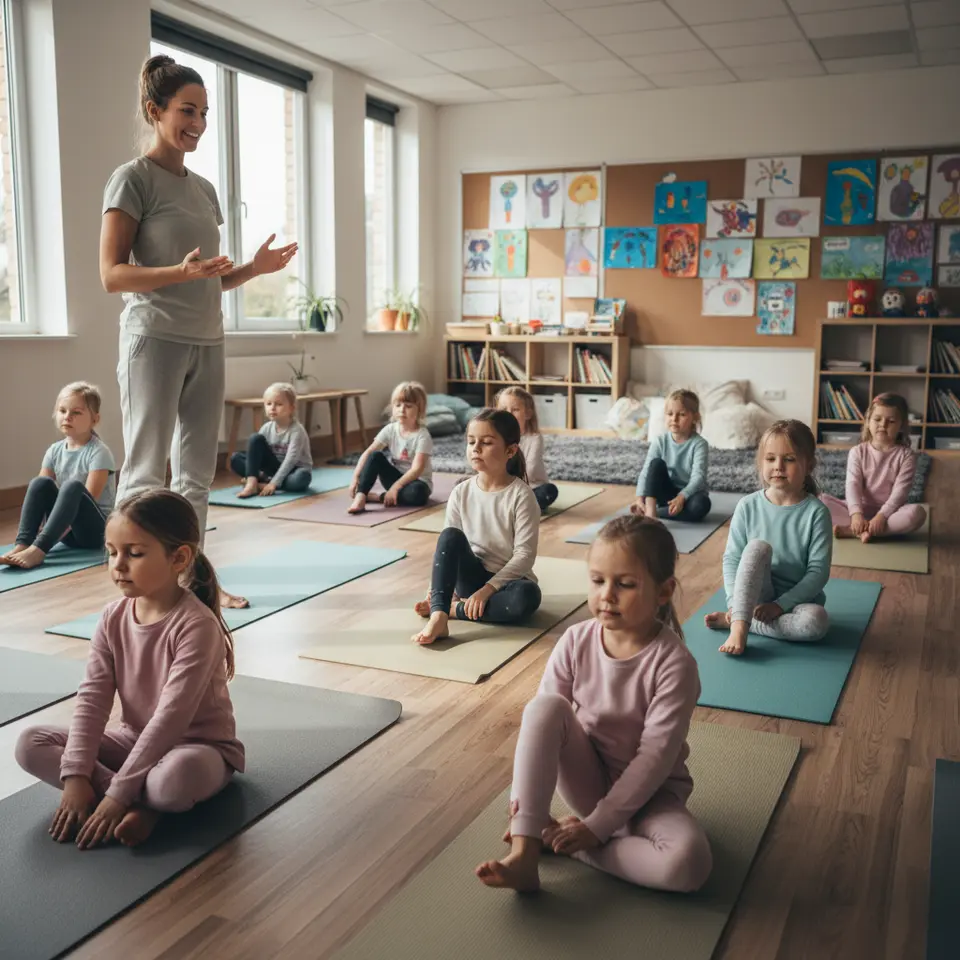
A guided body scan encourages awareness of physical sensations and helps release tension. Lead students from head to toe, prompting them to relax the forehead, shoulders, and back before moving downward. For younger learners, pair the scan with playful imagery—“freeze like a statue” or “imagine your toes are melting into the floor.” Incorporate mindful stretches or gentle yoga poses to energize the body and break up sedentary periods.
Reflective Writing and Mindfulness Corners
Journaling is an effective way to deepen self-reflection. Offer prompts such as “What emotion are you noticing right now?” or “Describe a moment today when you felt calm.” This practice builds emotional literacy and provides insights for educators. Additionally, creating a designated mindfulness corner—a cozy nook with cushions, calming visuals, and breathing reminders—gives students a safe space to regroup during free moments. Rotating responsibility for maintaining the corner fosters ownership and collective buy-in.
Building a Supportive Culture: The Role of Educators and Leaders
Professional Development and Teacher Involvement
Successful initiatives begin with staff empowerment. Offering workshops led by certified mindfulness trainers or partnering with university programs ensures that teachers understand both theory and practice. For example, institutions like the University of California, Berkeley’s Greater Good Science Center provide resources and online courses to integrate social-emotional learning into classrooms. When educators experience personal benefits, they’re more likely to model practices authentically.
Scheduling and Administrative Support
Embedding mindfulness in the master timetable signals its priority alongside core subjects. Allocate brief windows—perhaps at the start of each day or before major assessments—to reinforce consistency. Administrators can champion the approach by participating in exercises, publicly endorsing mindfulness initiatives, and celebrating milestones. Such visible support cultivates a school-wide mindset that values mental wellness equal to academic excellence.
Community and Leadership Engagement
Creating a mindfulness committee with representatives from teaching staff, administration, parents, and students ensures that diverse perspectives guide program development. Regular meetings can review data, share success stories, and address challenges. Inviting parents to experience classroom exercises during open houses strengthens home-school continuity and amplifies impact. Involving local health agencies or mental health professionals further enhances credibility and expands resource networks.
Evaluating Outcomes and Navigating Challenges
Measurement Strategies and Data Collection
Assessing the effectiveness of mindfulness in schools requires both quantitative and qualitative methods. Pre- and post-implementation surveys measuring stress levels, focus, and well-being provide numerical benchmarks. Tracking attendance, disciplinary referrals, and academic performance adds objective insight. Additionally, conducting focus groups or interviews with students and staff captures personal experiences that raw data might overlook.
Addressing Skepticism and Resource Constraints
Initial hesitation often stems from misconceptions about time investment or spiritual connotations. Begin with short pilot programs to demonstrate quick, tangible benefits. Share research summaries from reputable sources, such as the National Institutes of Health and peer-reviewed articles. Highlight low-cost practices that require minimal materials or training, making it easier for schools with tight budgets to participate.
Celebrating Milestones and Scaling Success
Recognizing progress—whether it’s a decline in referrals or positive survey feedback—keeps momentum alive. Host assemblies where students lead mindfulness demonstrations or invite community stakeholders to observe sessions. As confidence grows, expand offerings by training advanced student ambassadors or integrating digital mindfulness apps. By building incrementally, schools can sustain and deepen their commitment to student well-being.
FAQ
How can I introduce mindfulness with minimal training?
Start with short daily breathing breaks using guided scripts or apps. Provide simple instructions and demonstrate exercises during staff meetings so teachers feel comfortable leading sessions independently.
What age is suitable for classroom mindfulness?
Practices can be adapted for all ages, from early primary through secondary levels. Younger students benefit from playful imagery and movement-based activities, while older learners can engage with reflective writing and longer guided meditations.
How do I measure the impact of mindfulness programs?
Use a combination of student self-report surveys, attendance and behavior records, and classroom observations. Qualitative feedback from focus groups or teacher interviews adds depth to quantitative metrics.
Conclusion
Mindfulness in schools presents a research-backed pathway to foster emotional resilience, sharpen cognitive abilities, and improve school climate. By adopting brief, accessible practices—such as breathing breaks, body scans, reflective journaling, and dedicated mindfulness spaces—educators empower learners to navigate stress and remain engaged. Leadership support, ongoing professional development, and systematic evaluation ensure that these initiatives become woven into the fabric of school culture rather than transient experiments.
In today’s fast-evolving educational landscape, prioritizing mental health alongside academic achievement is essential. As educators, administrators, and community members unite around the shared goal of holistic growth, every mindful moment in the classroom contributes to healthier, more focused, and empathetic students. Embrace mindfulness in schools today, and observe how small shifts in awareness can yield lasting transformations in well-being and learning.