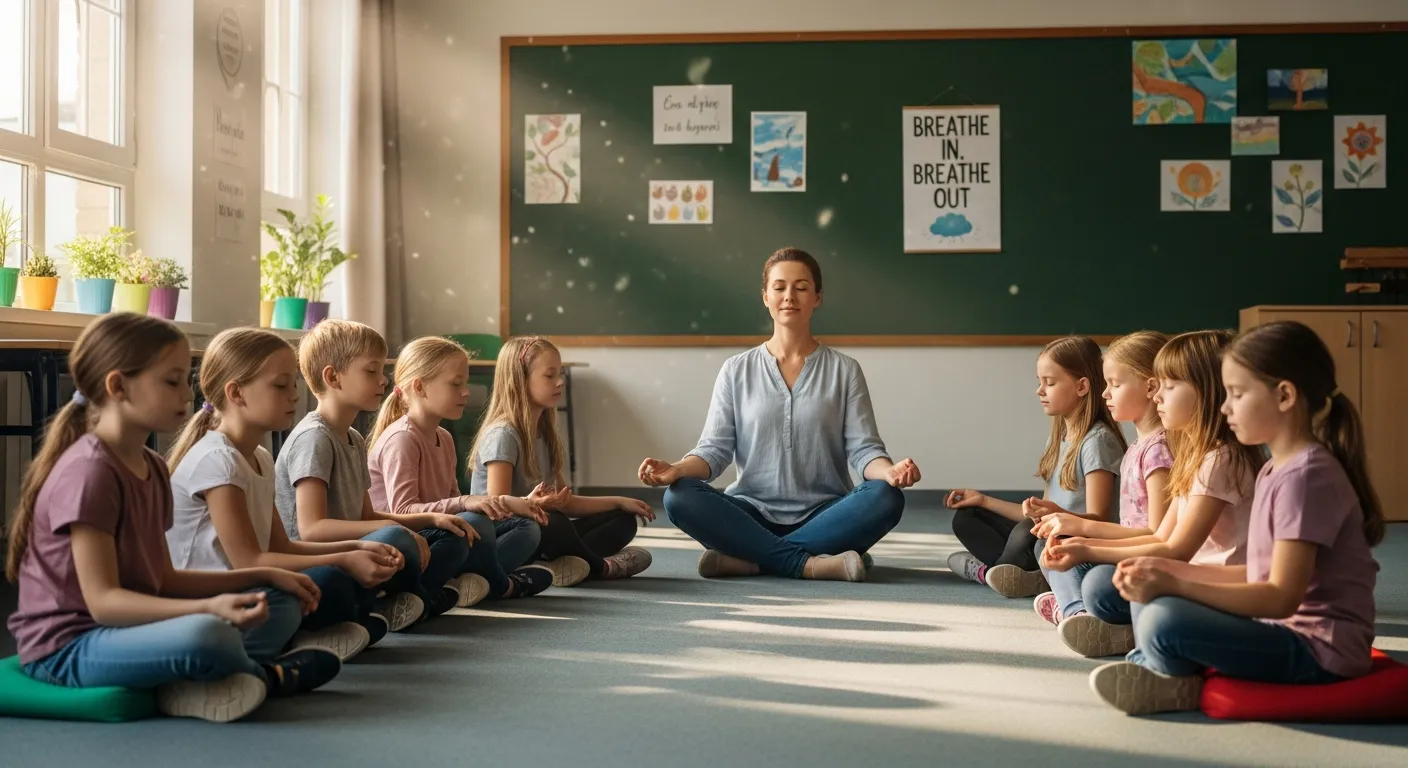
Discover how mindfulness in schools shapes student success. This crucial practice fosters emotional resilience, enhances academic focus, and creates a highly supportive environment for everyone.
Implementing mindfulness in schools provides unparalleled benefits for students and teachers. This comprehensive guide covers the scientific backing, practical implementation steps, expert tips, and common mistakes to avoid. Learn how to cultivate a thriving, focused classroom that prioritizes holistic development.
The Growing Need for Mindfulness in Schools
The integration of mindfulness in schools represents a massive shift in how we approach childhood education and adolescent development. As educational demands increase and external pressures mount, students face unprecedented levels of stress. Introducing mindfulness in schools offers a vital lifeline. By teaching students how to stay present, manage their emotions, and regulate their nervous systems, educators can dramatically improve both well-being and academic outcomes.
When we talk about mindfulness in schools, we refer to the systematic practice of bringing one’s attention to the present moment without judgment. This practice is not about emptying the mind; rather, it involves acknowledging thoughts, feelings, and bodily sensations with profound acceptance. Promoting mindfulness in schools empowers students to navigate complex social dynamics and challenging academic tasks. Furthermore, fostering Student Mental Health through these practices directly supports cognitive development and emotional intelligence.
Why Mindfulness in Schools Matters Now
Integrating mindfulness in schools is no longer a luxury; it is an absolute necessity. Administrators and teachers observe rising anxiety levels, which interfere with learning and classroom harmony. Implementing mindfulness in schools addresses these behavioral and emotional hurdles head-on. A study published by the American Psychological Association highlights that stress reduction techniques significantly enhance student performance. By prioritizing mindfulness in schools, educational institutions create a foundation where students feel safe, understood, and ready to learn.
Building mindfulness in schools requires a strategic approach. It involves training educators, adapting curriculums, and establishing consistent routines. As more districts adopt these programs, the data confirming the efficacy of mindfulness in schools continues to grow.
The Science Backing Mindfulness in Schools
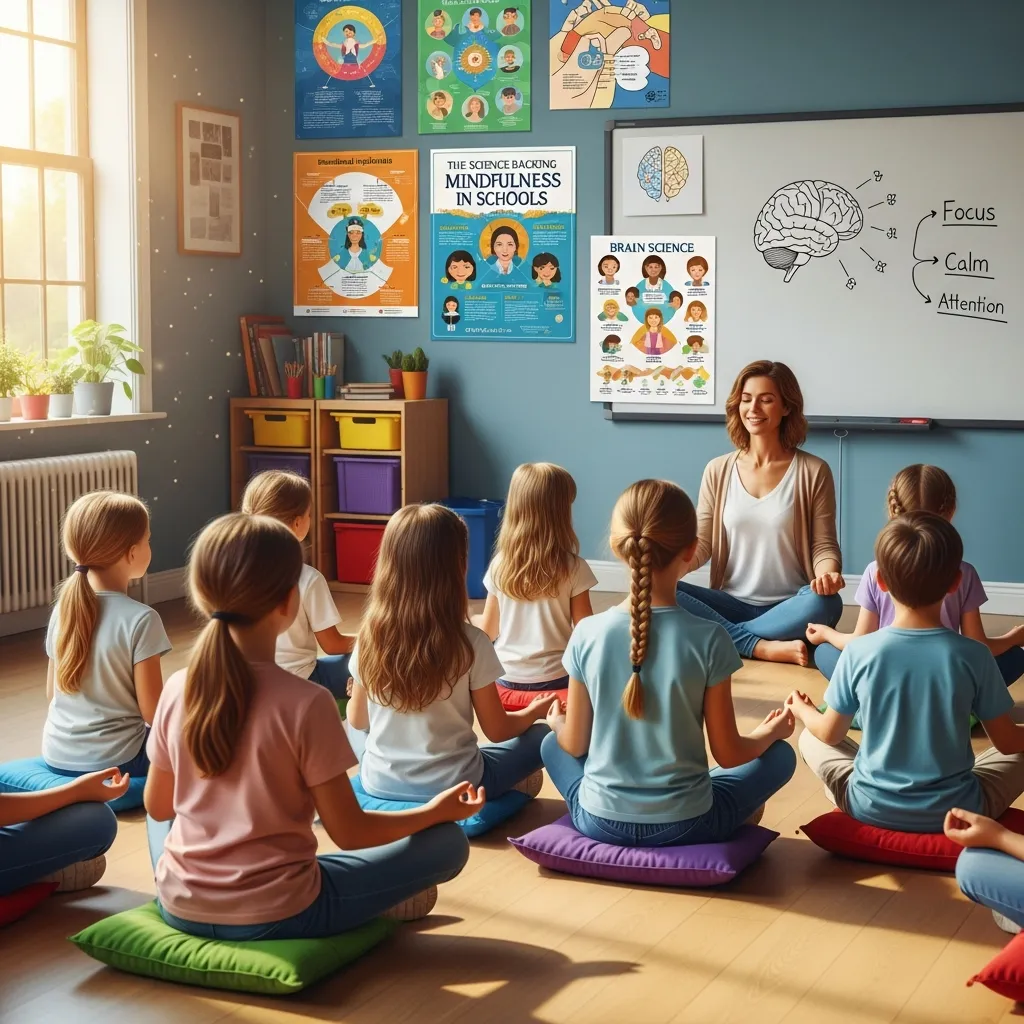
Understanding the neurological impact of mindfulness in schools helps educators secure buy-in from skeptical stakeholders. The brain undergoes rapid development during childhood and adolescence, making this the perfect time to introduce mindfulness in schools.
Cognitive Benefits and Academic Performance
One of the most compelling arguments for mindfulness in schools lies in its cognitive benefits. Regular practice strengthens the prefrontal cortex, the brain region responsible for executive functions such as attention, decision-making, and impulse control. Consequently, mindfulness in schools directly correlates with improved concentration. When students practice mindfulness in schools, they learn how to anchor their attention. This focus translates to better test scores, enhanced memory retention, and a deeper understanding of complex subjects.
Furthermore, integrating mindfulness in schools reduces activity in the amygdala, the brain’s fear center. A calmer amygdala means students are less likely to experience a fight-or-flight response during exams or peer conflicts. Emphasizing mindfulness in schools ensures that learners approach academic challenges with a clear, analytical mindset rather than a stressed, reactive one. Enhancing Cognitive Development Strategies through these methods proves incredibly effective for all age groups.
Emotional Regulation and Resilience
Beyond academics, mindfulness in schools plays a massive role in emotional regulation. Children frequently struggle to articulate their feelings. Mindfulness in schools provides a vocabulary and a framework for understanding these internal experiences. By practicing mindfulness in schools, students learn to pause before reacting. This critical pause prevents minor frustrations from escalating into major classroom disruptions.
Additionally, mindfulness in schools fosters empathy and compassion. When students engage in mindful listening and shared breathing exercises, they develop a deeper appreciation for their peers. The culture of a classroom changes drastically when mindfulness in schools becomes a core pillar of the daily routine. Evaluating the impact of mindfulness in schools on bullying reveals significant reductions in aggressive behavior and noticeable increases in cooperative learning.
Implementing Mindfulness in Schools: Step-by-Step Guide
Successfully establishing mindfulness in schools requires deliberate planning and consistent execution. Haphazard approaches yield minimal results. Follow this structured framework to build effective mindfulness in schools programs.
Step 1: Securing Leadership and Staff Buy-In
The first step in launching mindfulness in schools is gaining support from administration and staff. Present the empirical data regarding mindfulness in schools. Show how it aligns with existing Social-Emotional Learning goals. Hosting workshops led by experts in mindfulness in schools can demystify the practice and alleviate concerns. When teachers understand that mindfulness in schools actually reclaims lost instructional time by reducing behavioral issues, they become eager participants.
Step 2: Training the Educators First
You cannot effectively teach mindfulness in schools if the educators do not practice it themselves. A successful rollout of mindfulness in schools begins with comprehensive teacher training. Provide staff with resources, guided meditations, and dedicated time to cultivate their personal practices. When teachers model the benefits of mindfulness in schools, students naturally follow suit. Calm teachers create calm classrooms, making mindfulness in schools a shared, authentic experience.
Step 3: Integrating Brief Daily Practices
Integrating mindfulness in schools does not require hour-long meditation sessions. In fact, short, frequent practices yield the best results. Start by incorporating mindfulness in schools during transition periods. For example, a three-minute breathing exercise after recess or right before a math test works wonders. Making mindfulness in schools a predictable part of the daily schedule helps students transition from high-energy activities to focused learning states.
Step 4: Creating Mindful Spaces
Physical environments heavily influence mental states. Promoting mindfulness in schools involves designing physical spaces that encourage calm. Establish a “peace corner” in the classroom where students can voluntarily go to regulate their emotions. Equip these areas with comfortable seating, sensory tools, and visual breathing guides. Having dedicated physical spaces reinforces the importance of mindfulness in schools and provides students with practical tools for self-regulation.
Comparison Table: Traditional Classrooms vs. Mindful Classrooms
To illustrate the transformative power of mindfulness in schools, let us compare a traditional educational setting with one that actively embraces these practices.
| Feature | Traditional Classroom | Classroom with Mindfulness in Schools |
| Conflict Resolution | Punitive measures, detentions, office referrals | Restorative conversations, emotional regulation, mindful pauses |
| Test Preparation | High pressure, cramming, stress-inducing | Breathing exercises, grounding techniques, calm focus |
| Transitions | Chaotic, loud, significant loss of learning time | Structured breathing, smooth shifts, preserved instructional time |
| Student Focus | Easily distracted, frequent reprimands needed | Sustained attention, self-correction, intrinsic motivation |
| Teacher Well-being | High burnout rates, exhaustion, elevated stress | Emotional resilience, lower stress, stronger student connections |
This table clearly demonstrates why mindfulness in schools serves as a superior framework for modern education.
Expert Tips for Maximizing Mindfulness in Schools
To guarantee the success of mindfulness in schools, educators must employ proven strategies. Here are several expert tips to elevate your program.
- Keep it secular: Ensure that mindfulness in schools remains entirely secular and scientifically based. Focus on neurobiology and breathing mechanics to respect all cultural backgrounds. Organizations like Edutopia provide excellent resources for secular implementation.
- Make it voluntary: Never force a student to close their eyes or participate aggressively. Mindfulness in schools should always feel safe and voluntary. Offer alternatives, like mindful coloring or looking at a focal point on the desk.
- Involve the parents: The impact of mindfulness in schools multiplies when parents reinforce the concepts at home. Send newsletters explaining the techniques used in class so families can build Holistic Child Development at home.
- Use age-appropriate language: Tailor the language of mindfulness in schools to the students. Use terms like “brain breaks” or “focus time” for younger children, while older students can grasp the neurological concepts behind mindfulness in schools.
Mini-Conclusion: By adhering to these expert tips, educators ensure that mindfulness in schools remains an inclusive, effective, and deeply respected part of the educational journey.
Common Mistakes to Avoid with Mindfulness in Schools
Even with the best intentions, programs centered around mindfulness in schools can falter. Recognizing and avoiding these common pitfalls ensures sustainability.
First, treating mindfulness in schools as a disciplinary tool completely undermines its purpose. Never use mindfulness in schools as a punishment for bad behavior. If a student acts out, telling them to “go meditate” associates the practice with shame and correction. Mindfulness in schools must remain a positive, proactive tool for well-being.
Second, inconsistency ruins the effectiveness of mindfulness in schools. Practicing once a month yields zero structural brain changes. Mindfulness in schools requires daily repetition to build neural pathways. Treat it with the same consistency as reading or mathematics.
Third, lacking personal practice among staff dooms mindfulness in schools. Students possess highly attuned radars for inauthenticity. If a teacher leads mindfulness in schools while visibly frantic and rushed, the students will not engage. Educators must prioritize their own Teacher Burnout Prevention routines to authentically lead mindfulness in schools.
Actionable Exercises for Mindfulness in Schools

Equipping teachers with specific exercises ensures that mindfulness in schools moves from theory to practice. Here are several highly effective techniques for bringing mindfulness in schools to life.
Five-Finger Breathing
This is a staple exercise for mindfulness in schools, particularly for younger students. Have students hold up one hand. Using the index finger of their opposite hand, they trace the outline of their open hand. As they trace up a finger, they inhale. As they trace down, they exhale. This technique combines tactile sensation with breath control, making mindfulness in schools engaging and accessible.
Mindful Listening
Mindfulness in schools often focuses on sensory awareness. Ring a chime or a singing bowl. Ask the students to close their eyes and listen closely to the sound, raising their hand only when they can no longer hear the ringing. This exercise instantly quiets a noisy room and sharpens auditory focus, proving the immediate power of mindfulness in schools.
The Body Scan
For older students, the body scan is a profound tool for mindfulness in schools. Guide the students to mentally check in with different parts of their body, starting from their toes and moving up to their head. They notice tension without trying to change it. This practice, central to mindfulness in schools, helps adolescents disconnect from racing thoughts and reconnect with their physical presence.
Gratitude Journaling
Integrating gratitude practices enhances mindfulness in schools. Provide students with five minutes to write down three things they feel grateful for. This shifts the brain’s focus toward positive stimuli. Combining gratitude with mindfulness in schools builds incredible emotional resilience and fosters a highly positive classroom culture.
Mini-Conclusion: Implementing these specific exercises ensures that mindfulness in schools is tangible, enjoyable, and highly effective for students of all ages.
Overcoming Resistance to Mindfulness in Schools
Sometimes, introducing mindfulness in schools meets with resistance from parents, students, or even faculty. Addressing this resistance transparently is vital for the survival of mindfulness in schools.
When parents express concern, usually stemming from a misunderstanding of the terminology, schools must communicate clearly. Frame mindfulness in schools around cognitive training, attention building, and stress reduction. Provide the scientific literature proving that mindfulness in schools improves academic testing and reduces behavioral incidents.
For students who feel silly or resistant, patience is key. Mindfulness in schools works best when it is normalized over time. Allow resistant students to simply sit quietly while others participate. Eventually, the calming atmosphere created by mindfulness in schools often draws them in organically. Consistent, gentle encouragement makes mindfulness in schools a universally accepted practice.
Evaluating the Impact of Mindfulness in Schools
To maintain funding and support for mindfulness in schools, administrators must measure its impact. Tracking data ensures that mindfulness in schools remains a priority.
Monitor behavioral referrals before and after implementing mindfulness in schools. Typically, schools see a drastic reduction in office visits and suspensions. Furthermore, track academic performance. While mindfulness in schools is not a magic wand for grades, the increased focus directly correlates with better academic outcomes.
Additionally, conduct surveys to measure student and teacher well-being. Ask students how they handle stress before and after learning about mindfulness in schools. Qualitative data, such as a teacher reporting a more peaceful classroom environment, strongly supports the continuation of mindfulness in schools. Integrating comprehensive Educational Outcomes Tracking guarantees long-term success.
The Future of Mindfulness in Schools
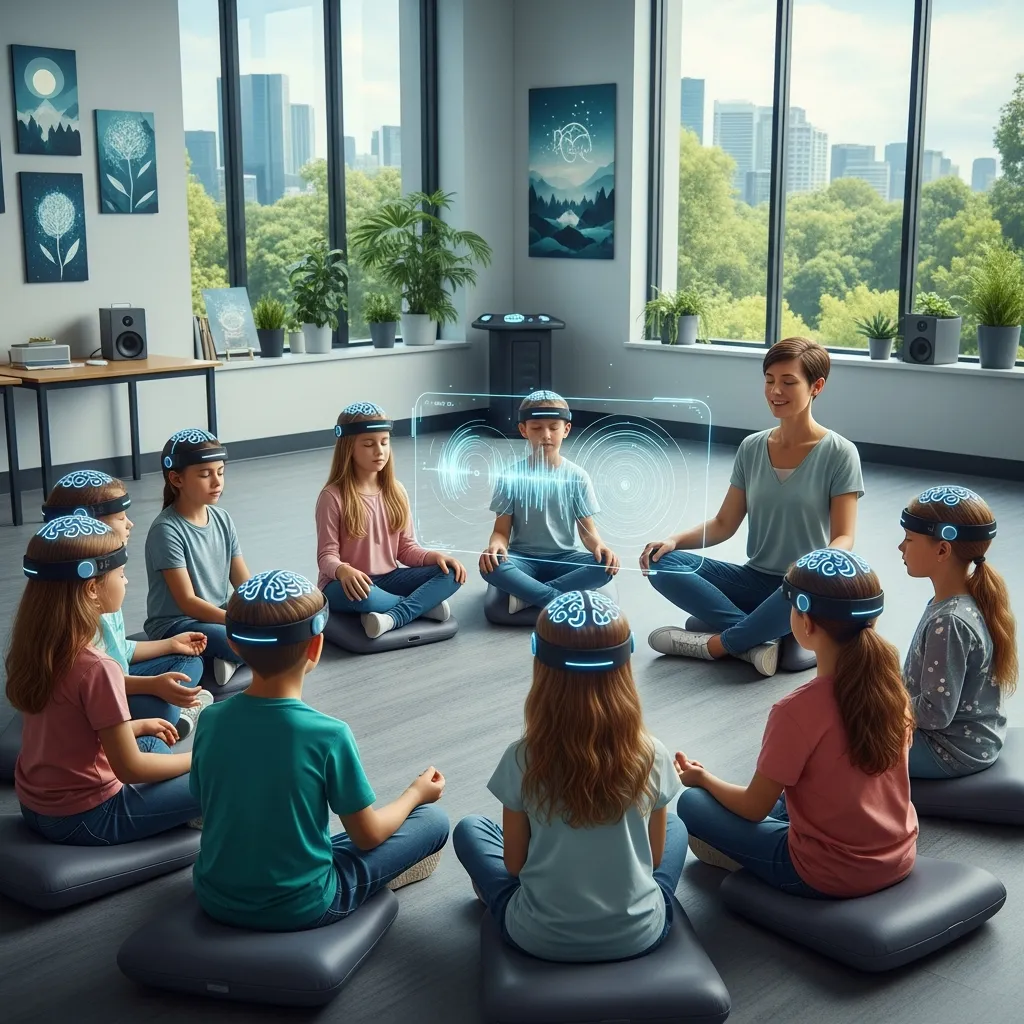
The trajectory of mindfulness in schools points toward universal adoption. As we understand more about neuroplasticity and trauma-informed teaching, mindfulness in schools becomes the logical foundation for all education.
Future curriculums will likely embed mindfulness in schools directly into daily lesson plans, rather than treating it as a separate add-on. We will see mindfulness in schools adapted for special education, customized for various learning disabilities, and utilized as a primary tool for emotional regulation. The commitment to mindfulness in schools will shape a generation of resilient, focused, and highly empathetic individuals.
Advocating for mindfulness in schools means advocating for the whole child. It means recognizing that a student cannot learn math if their nervous system is in distress. Mindfulness in schools bridges the gap between emotional well-being and academic excellence, ensuring that every student has the mental clarity needed to succeed.
By consistently applying the principles of mindfulness in schools, educators create legacies of peace, focus, and profound learning. The transformation brought by mindfulness in schools is undeniable, lasting, and deeply necessary for the future of education.
Conclusion
Mindfulness in schools fundamentally transforms the educational landscape by equipping students with essential emotional and cognitive tools. By integrating these practices, educators cultivate resilience, enhance academic focus, and drastically improve classroom behavior. Embrace mindfulness in schools today to create a supportive, thriving environment. Start your journey toward a calmer classroom now!
FAQs
What exactly is mindfulness in schools?
Mindfulness in schools involves teaching students to focus their attention on the present moment without judgment. It includes breathing exercises, mindful listening, and emotional check-ins, helping students manage stress and improve their concentration during the academic day.
How does mindfulness in schools improve academic performance?
Mindfulness in schools strengthens the brain’s prefrontal cortex, which governs focus, memory, and executive function. By reducing anxiety and increasing sustained attention, students process information more effectively, leading directly to improved test scores and academic retention.
Is mindfulness in schools a religious practice?
No, mindfulness in schools is entirely secular. It is based on neuroscience, psychology, and cognitive behavioral therapy. Programs focus on breathing mechanics, sensory awareness, and emotional regulation without any religious or spiritual affiliations, making it appropriate for all backgrounds.
How much time does mindfulness in schools take away from learning?
Mindfulness in schools actually reclaims lost learning time. While practices only take three to five minutes a day, they significantly reduce behavioral disruptions and transition times. This results in more focused, productive, and uninterrupted instructional periods.
Can mindfulness in schools help with classroom behavior?
Absolutely. Mindfulness in schools teaches students emotional regulation and impulse control. Instead of reacting instantly to frustration, students learn to pause and breathe, drastically reducing classroom conflicts, aggressive behaviors, and the need for disciplinary interventions.
How do teachers benefit from mindfulness in schools?
Teachers experience significantly lower burnout rates when practicing mindfulness in schools. The techniques help educators manage their own stress, maintain emotional balance, and respond to classroom challenges calmly, fostering better relationships with their students.
What is the best way to introduce mindfulness in schools?
The best way to introduce mindfulness in schools is through voluntary, brief daily exercises. Start with simple techniques like five-finger breathing or mindful listening during transitions. Securing teacher buy-in and utilizing age-appropriate language ensures a smooth, successful rollout.
Should parents be involved in mindfulness in schools?
Yes, involving parents greatly enhances the impact of mindfulness in schools. Schools should share the techniques and language used in the classroom so parents can reinforce emotional regulation and mindful breathing at home, creating a consistent support system.
What are common mistakes when implementing mindfulness in schools?
A major mistake is using mindfulness in schools as a punishment for bad behavior. Additionally, practicing inconsistently or forcing resistant students to participate ruins the practice’s effectiveness. It must remain a positive, voluntary, and daily routine.
Are there scientific studies supporting mindfulness in schools?
Yes, decades of peer-reviewed research support mindfulness in schools. Studies show structural changes in the brain, including a calmer amygdala and a stronger prefrontal cortex, proving that these practices biologically reduce stress and enhance cognitive capabilities in students.