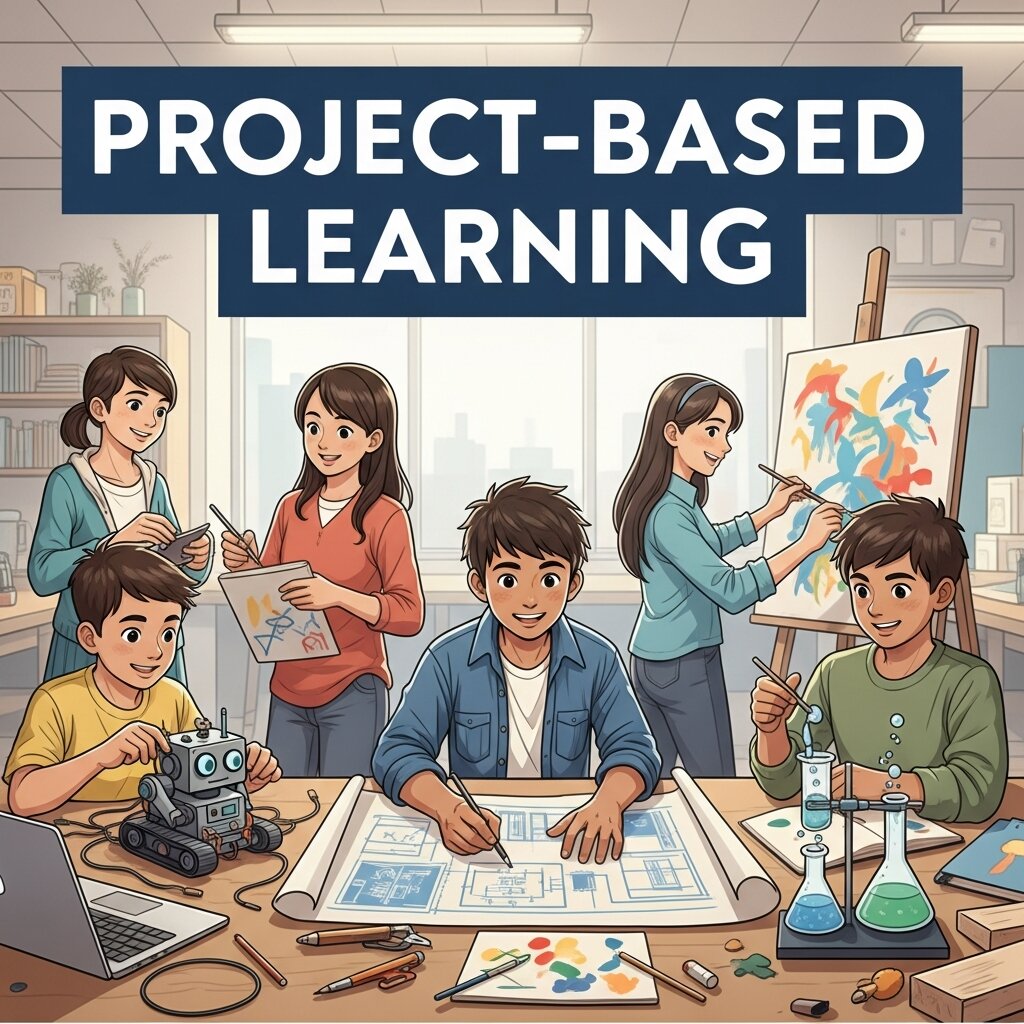
In today’s digital landscape, educators and students alike face the challenge of making learning meaningful, engaging, and aligned with real-world demands. Project-Based Learning has emerged as a powerful strategy this year (2026) for fostering essential skills such as critical thinking, collaboration, and creativity. By moving beyond traditional lectures and rote memorization, Project-Based Learning places learners at the center of their educational journey, encouraging them to tackle authentic problems and construct knowledge through active involvement.
Over the course of this comprehensive guide, we will explore the fundamental principles of Project-Based Learning, outline its key benefits, and offer a detailed roadmap to implementation. Educators, from seasoned professionals to those newly entering the field, will discover practical strategies, tools, and resources designed to maximize student engagement and academic achievement. Whether you are redefining your curriculum or seeking fresh ways to motivate learners, the insights shared here are tailored to support success in today’s evolving educational landscape.
Throughout this article, the focus keyword Project-Based Learning appears naturally as we delve into current research findings and expert recommendations. We will reference reputable external sources to ensure you have access to authoritative guidance. Let us embark on this journey to unlock the transformative potential of Project-Based Learning and empower students to become confident, capable, and curious lifelong learners.
Understanding Project-Based Learning
Project-Based Learning is an instructional approach where students acquire knowledge and skills by working on a project over an extended period to investigate and respond to a complex question, problem, or challenge. Unlike conventional teaching methods that often prioritize teacher-led lectures, Project-Based Learning shifts the focus to student-driven inquiry. Learners collaborate, research multiple perspectives, and apply concepts across disciplines, making connections that extend far beyond isolated academic content.
The roots of Project-Based Learning can be traced back to the progressive education philosophies of pioneers like John Dewey, who championed experiential learning. In today’s classrooms, this methodology blends subjects such as science, mathematics, language arts, and technology into cohesive, real-world applications. For instance, students might explore environmental science, data analysis, and persuasive writing simultaneously as they design a sustainable community garden to address local food security challenges.
In this year (2026), research continues to validate the impact of Project-Based Learning on student outcomes. A landmark study by the Buck Institute for Education highlights that learners immersed in well-structured projects show significant gains in critical thinking and content retention. By engaging in inquiry, iteration, and reflection, students develop a deeper understanding of subject matter while cultivating “21st-century skills” that prepare them for higher education and the workforce.
At its core, Project-Based Learning empowers students to take ownership of their learning process. From defining success criteria to sharing final deliverables with authentic audiences, learners build confidence and resilience. Educators act as facilitators, guiding research, scaffolding complex tasks, and providing timely feedback. This collaborative dynamic fosters a classroom culture where curiosity thrives, and mistakes are viewed as valuable steps toward mastery.
Advantages of Embracing Project-Based Learning
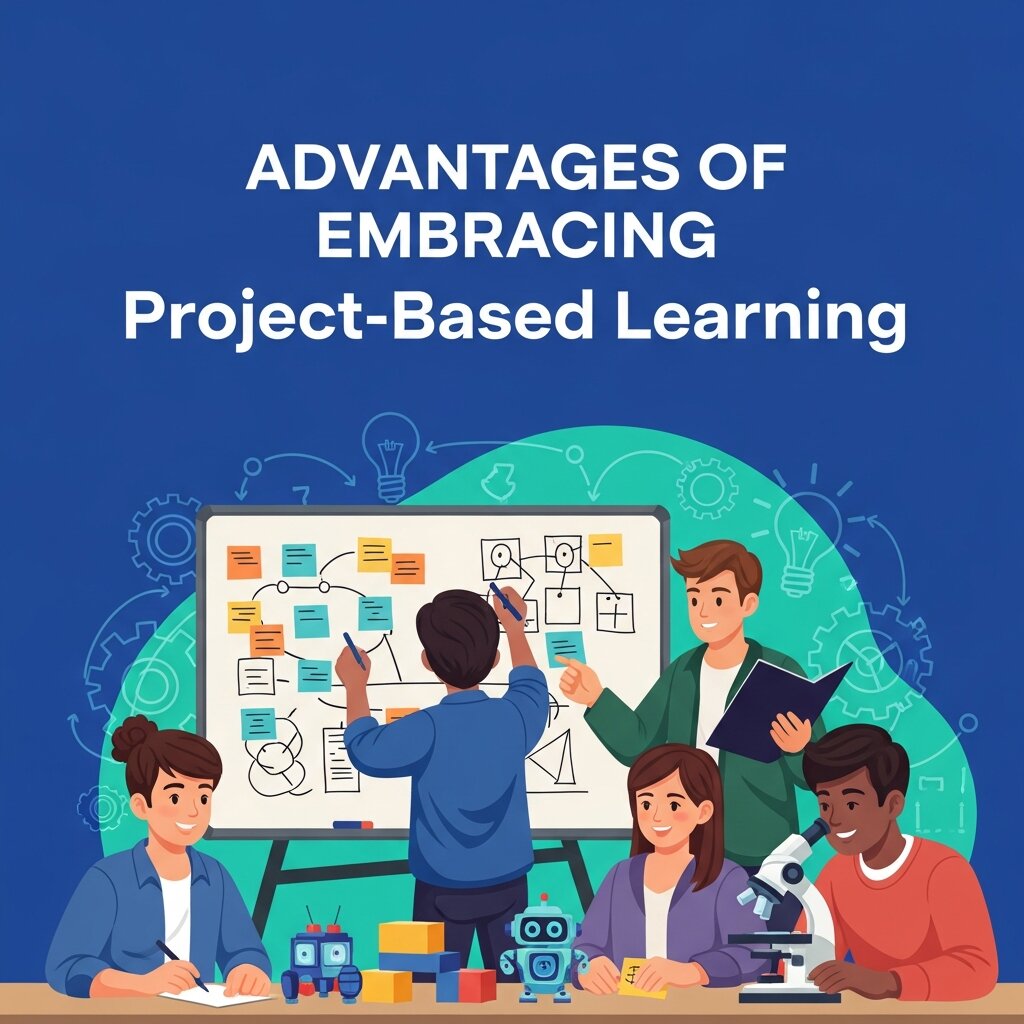 Implementing Project-Based Learning in the classroom offers a multitude of benefits that align with contemporary educational goals:
- Enhanced Engagement: When learners see purpose in their work, motivation soars. Authentic projects, linked to real-world challenges, spark curiosity and sustain interest throughout the learning process.
- Deeper Understanding: Project-Based Learning encourages students to apply concepts in meaningful contexts, leading to longer-lasting retention compared to passive memorization techniques. Iterative feedback cycles reinforce learning and promote mastery.
- Critical Skill Development: Beyond academic knowledge, this approach nurtures communication, collaboration, creativity, and self-management. Students practice weighing evidence, negotiating roles, and presenting findings—abilities that are increasingly valued by employers.
- Relevance and Context: By addressing genuine community issues or global problems, learners perceive direct connections between their studies and real-life impact. This relevance cultivates civic responsibility and a growth mindset.
- Personalization: Project-Based Learning supports differentiated instruction by allowing students to pursue topics of interest, choose preferred formats for deliverables, and learn at individual paces. Educators can tailor support to diverse learning needs, promoting equity in the classroom.
Studies from reputable organizations underscore these advantages. For example, data from the National Center for Education Statistics show positive trends in student achievement and engagement in schools that adopt Project-Based Learning frameworks. Moreover, feedback from educators indicates improved classroom dynamics as learners collaborate on meaningful tasks.
In today’s rapidly changing world, the ability to adapt, solve complex problems, and communicate effectively has never been more critical. Project-Based Learning equips students with these vital competencies, ensuring they are prepared not only for academic success but also for the challenges and opportunities that lie ahead.
A Step-by-Step Guide to Implementing Project-Based Learning
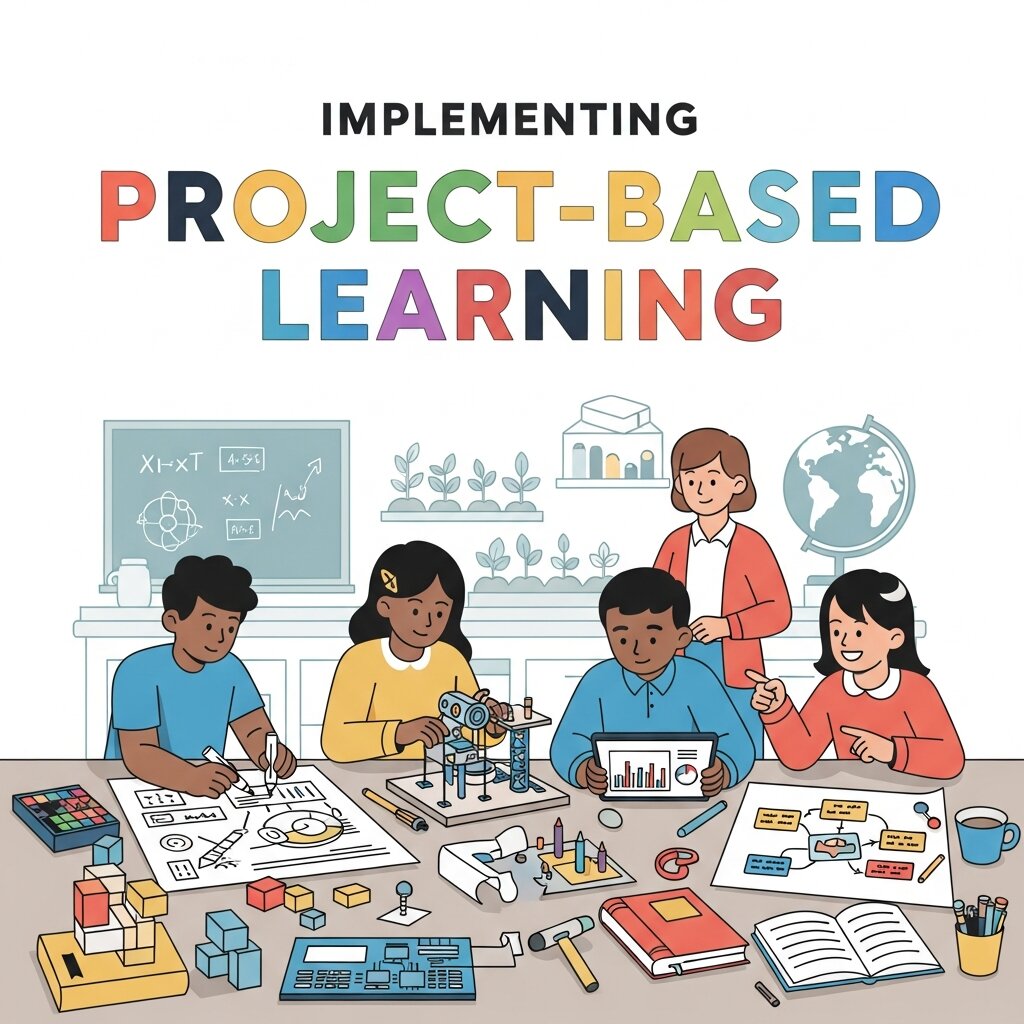 Successfully integrating Project-Based Learning requires a clear roadmap. The following steps offer a practical framework adaptable to various grade levels and subject areas:
Step 1: Define Learning Goals
Begin by aligning project objectives with curriculum standards and desired skill outcomes. Determine both content targets (e.g., understanding photosynthesis) and skill targets (e.g., teamwork or data analysis). Craft SMART goals—specific, measurable, attainable, relevant, and time-bound—to guide instruction and assessment. Clearly articulated goals help students understand expectations and allow educators to measure progress effectively.
Step 2: Develop a Driving Question
A compelling driving question anchors the project and motivates inquiry. Frame it to be open-ended, challenging, and connected to authentic issues. Phrases like “How might we…” or “In what ways can…” invite exploration. For example: “How might we create an energy-efficient model home to reduce environmental impact?” This question focuses student efforts and ensures relevance.
Step 3: Structure the Timeline
Outline project phases—introduction, research, planning, creation, reflection, and presentation. Assign milestones, such as research summaries, draft proposals, prototype demonstrations, and final showcases. Use tools like Trello or simple Gantt charts for visual task management. Buffer zones within the timeline accommodate unforeseen challenges and encourage deeper investigation.
Step 4: Facilitate Inquiry
Equip students with research skills such as source evaluation, note-taking, and proper citation. Offer a curated list of reputable resources, including academic journals and expert interviews. Encourage collaborative roles—research lead, fact-checker, or interview coordinator—to ensure shared responsibility and efficient workflow.
Step 5: Guide Product Development
Support the creation of final products in diverse formats, from written reports to multimedia presentations and physical prototypes. Share transparent rubrics detailing criteria for content accuracy, creativity, and teamwork. Foster iterative development by scheduling peer-review sessions where students give and receive constructive feedback.
Step 6: Present and Reflect
Arrange a public showcase—virtual or in-person—where learners present to authentic audiences such as peers, family members, or community partners. Follow presentations with structured reflection activities, prompting students to analyze challenges, strategies used, and lessons learned. This reflection reinforces a growth mindset and continuous improvement.
By following these strategic steps, educators can design and manage Project-Based Learning experiences that are both engaging and effective, fostering deep learning and essential skill development.
Troubleshooting Common Obstacles in Project-Based Learning
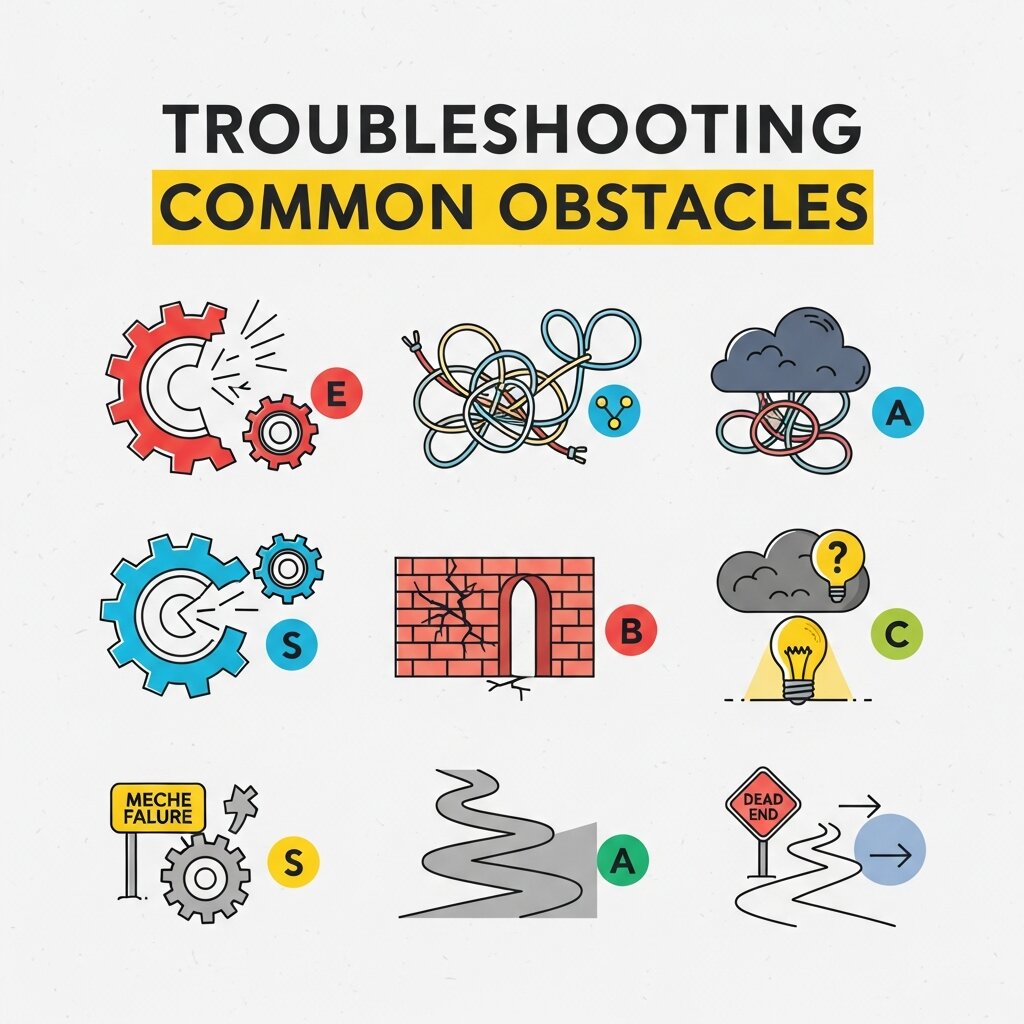 Despite its advantages, Project-Based Learning can present challenges. Here are proven strategies to navigate typical hurdles:
- Time Constraints: PBL can be demanding on class schedules. Integrate project components into daily lessons, use block scheduling when possible, and teach students to set realistic timelines. Digital calendars and time-management apps can help maintain momentum.
- Limited Resources: Access to materials or technology may vary. Build partnerships with local businesses, libraries, and makerspaces. Encourage low-tech alternatives—recycled materials, cardboard prototypes—and challenge students to innovate within constraints.
- Diverse Skill Levels: Learners may differ in research and collaboration abilities. Start with mini-projects to build confidence, provide structured templates, and offer exemplars. Gradually shift responsibility to students as their proficiency grows, while differentiating support based on individual needs.
- Assessment Challenges: Evaluating open-ended work can feel subjective. Employ transparent rubrics with clear performance indicators. Combine self-assessment, peer feedback, and teacher evaluation to capture multiple dimensions of student learning.
- Maintaining Focus: Students may become overwhelmed by complex tasks. Break projects into manageable chunks and celebrate interim milestones. Regular check-ins keep learners on track and allow for timely interventions.
For additional guidance on effective implementation, educators can consult resources from the U.S. Department of Education or professional learning networks that specialize in Project-Based Learning.
Essential Tools and Resources for Project-Based Learning
Leveraging digital and physical tools can streamline collaboration, research, and creation in a Project-Based Learning environment. Consider the following categories and examples:
- Project Management: Platforms such as Trello, Asana, and Microsoft Planner provide visual boards to track tasks, assign roles, and monitor deadlines. Their intuitive interfaces help students self-organize and maintain accountability.
- Collaboration & Communication: Suites like Google Workspace, Microsoft Teams, and Slack support real-time coauthoring, video conferencing, and group discussions. Virtual whiteboards such as Miro and Padlet foster brainstorming and collective planning, even in remote or hybrid settings.
- Design & Prototyping: Tools like Canva, Figma, and Tinkercad enable students to create graphics, digital interfaces, and 3D models without extensive technical expertise. These platforms encourage experimentation and iterative design thinking.
- Research & Citations: Reference managers such as Zotero and Mendeley, alongside academic search engines like Google Scholar, help learners organize sources and generate bibliographies accurately. Teach students to evaluate credibility using guidelines from reputable institutions.
- Presentation & Sharing: Software like Prezi, PowerPoint, and video editing tools such as WeVideo and Adobe Spark offer diverse options for presenting findings. Public-facing blogs or digital portfolios provide platforms for showcasing work to wider audiences.
Beyond technology, curated repositories of lesson plans, rubrics, and case studies—such as the PBLWorks library and Edutopia’s resource hub—can inspire project ideas and support instructional planning. Professional communities, both online and within local districts, offer mentorship, training, and peer feedback to refine your Project-Based Learning practice.
Frequently Asked Questions
What is Project-Based Learning?
Project-Based Learning (PBL) is an instructional approach where students explore real-world problems and challenges over an extended period. Through inquiry, collaboration, and reflection, learners gain a deeper understanding of subject matter while developing essential skills such as critical thinking, communication, and problem-solving.
How can I start implementing PBL in my classroom?
Begin by defining clear learning goals aligned with your curriculum standards. Develop a compelling driving question, structure a realistic timeline with milestones, and provide students with the necessary research and collaboration tools. Start small with a pilot project and refine your approach based on feedback and outcomes.
How do I assess student work in PBL?
Use transparent rubrics that outline criteria for content accuracy, creativity, collaboration, and presentation. Incorporate self-assessment and peer feedback alongside teacher evaluations to capture multiple perspectives on student learning. Reflection activities also help students articulate their growth and challenges.
What resources support effective PBL?
Numerous organizations offer resources for PBL, including PBLWorks, Edutopia, and the Buck Institute for Education. Digital tools like Trello, Google Workspace, and Canva facilitate project management and collaboration. Professional learning networks and local workshops provide mentorship and training opportunities.
What are the key components of a successful PBL project?
A strong driving question, clear learning goals, structured timelines, student collaboration, ongoing feedback, and a final presentation to an authentic audience are essential components.
Is Project-Based Learning suitable for younger students?
Yes, PBL can be adapted for all age groups. For younger learners, projects should be simpler, more guided, and focused on hands-on activities with clear instructions.
What challenges might teachers face with PBL?
Common challenges include time management, assessment difficulties, varying student abilities, and limited resources. However, these can be managed with planning, scaffolding, and the right tools.
How does PBL prepare students for the future?
PBL equips students with real-world skills such as problem-solving, collaboration, adaptability, and independent thinking—skills that are highly valued in higher education and modern workplaces.
Conclusion
Project-Based Learning continues to redefine how educators design and deliver instruction, placing students at the heart of their own discovery process. By understanding the principles, embracing the benefits, and following a structured implementation plan, teachers can create dynamic learning experiences that cultivate critical skills and real-world problem-solving abilities. While challenges such as time management and resource constraints may arise, proven strategies and a wealth of tools—supported by research from leading organizations—ensure success.
Read more about this topic: Enhancing Education with Chatbots: 24/7 Student Support