Inquiry-based learning has emerged as a transformative approach to education, empowering students to become active investigators rather than passive recipients of information. In today’s digital landscape, learners are surrounded by vast amounts of data and multimedia content, making it more important than ever to nurture critical-thinking skills and foster genuine curiosity. Inquiry-based learning shifts the role of the teacher from a lecturer to a facilitator, guiding students as they frame questions, explore resources, and reflect on their discoveries.
Currently, educators who incorporate inquiry-based learning observe heightened engagement, deeper comprehension, and enhanced problem-solving abilities among their students. By encouraging learners to take ownership of their educational journey, schools can cultivate a generation of thinkers who are prepared to tackle complex challenges in real-world settings. This article will delve into the fundamentals of inquiry-based learning, highlight its key advantages, outline practical steps for implementation, recommend essential resources, and address strategies for overcoming common obstacles.
As more institutions prioritize student-centered instruction, inquiry-based learning stands out as a dynamic methodology that aligns with modern educational standards. Whether you’re a classroom teacher, curriculum designer, or administrator, this guide will equip you with actionable insights to integrate inquiry-based learning effectively and sustainably. By the end of this article, you’ll have a clear roadmap to ignite curiosity, drive meaningful exploration, and foster lifelong learning habits in your learners this year (2026).
What Is Inquiry-Based Learning?
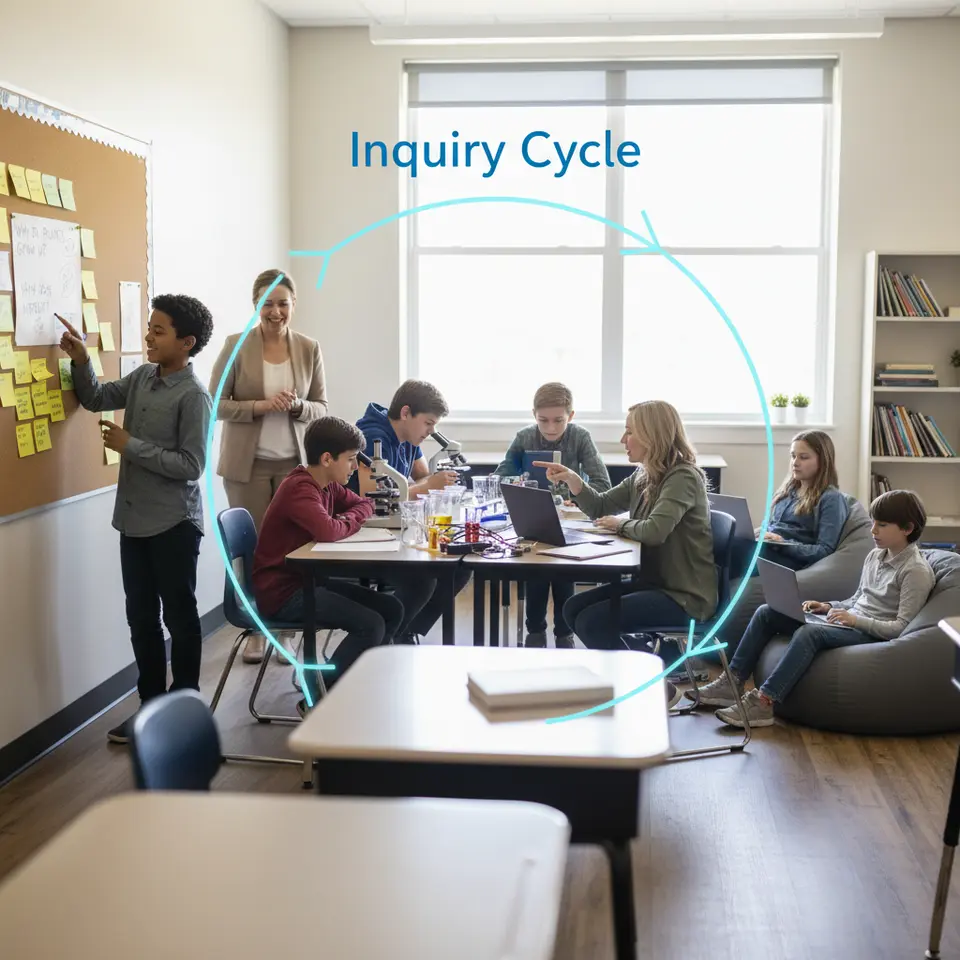
Inquiry-based learning is rooted in constructivist theory, which posits that learners construct new knowledge by connecting it to their prior experiences and existing mental frameworks. Rather than delivering content through lectures or rote memorization, educators create a learning environment where students pose questions, design investigations, and draw evidence-based conclusions. This cyclical process—question, explore, reflect—places the learner at the heart of the educational experience.
At its core, inquiry-based learning emphasizes open-ended questions that spark curiosity and encourage deeper thinking. For example, rather than stating a fact about ecosystems, a teacher might ask, “How do changes in water quality affect local plant and animal populations?” This essential question drives students to hypothesize, collect data, analyze results, and communicate their findings.
The role of the instructor transforms into that of a guide or coach, offering scaffolding and resources rather than providing direct answers. Educators may integrate digital tools—such as online databases, virtual labs, and collaborative platforms—to support student investigations. According to research from the U.S. Department of Education (ed.gov), inquiry-based approaches can significantly improve learners’ critical-thinking and problem-solving skills when implemented thoughtfully.
Inquiry-based learning also fosters metacognitive growth. As students plan their investigations and reflect on their methods, they develop self-awareness and learn how to monitor their own understanding. This reflective practice encourages learners to identify gaps in their knowledge, refine their questions, and iteratively improve their strategies—a process that mirrors scientific inquiry in professional research settings.
In summary, inquiry-based learning is a student-centered approach that leverages curiosity and exploration to drive deep understanding. By framing powerful questions and guiding learners through structured yet flexible investigations, educators lay the groundwork for sustained intellectual engagement and academic success.
Key Benefits of Inquiry-Based Learning
Inquiry-based learning offers a wealth of advantages for both students and educators. When students engage in hands-on investigations, they not only absorb information more deeply but also develop essential 21st-century skills. Below are some of the most notable benefits:
Enhanced Critical Thinking and Problem Solving
Inquiry-driven tasks require learners to analyze data, evaluate sources, and interpret evidence. By grappling with real-world problems, students refine their ability to apply logic and reason. Research from UNESCO (unesco.org) underscores the importance of inquiry-based strategies in promoting critical-thinking competencies across diverse educational contexts.
Heightened Engagement and Motivation
Curiosity is a powerful motivator. When learners pursue questions that resonate with their interests, they invest more effort and exhibit sustained focus. Teachers report that classrooms grounded in inquiry-based learning are marked by enthusiastic discussions and active participation.
Deeper Conceptual Understanding
Hands-on exploration helps students internalize complex ideas by connecting theory to practice. Conducting experiments or field investigations enables learners to witness phenomena firsthand, solidifying their comprehension beyond textbook descriptions.
Collaborative and Communication Skills
Group investigations necessitate teamwork, negotiation, and effective communication. Students learn to articulate hypotheses, divide responsibilities, and present collective findings—skills that are invaluable in academic and professional settings.
Lifelong Learning Disposition
By embracing inquiry-based learning, students cultivate a habit of asking questions and seeking answers independently. This intrinsic drive to learn fosters adaptability and resilience— qualities that serve individuals well beyond their formal education.
In sum, the benefits of inquiry-based learning extend far beyond content mastery. This approach nurtures the critical thinking, collaboration, and curiosity that underpin successful lifelong learners.
Implementing Inquiry-Based Learning in Today’s Classrooms
Introducing inquiry-based learning into your teaching practice requires thoughtful planning and a willingness to embrace flexibility. Follow these steps to design meaningful inquiry experiences that align with curriculum goals and accommodate diverse learners:
1. Define Learning Objectives and Craft Essential Questions
Begin by mapping your curriculum standards to broad, thought-provoking questions. For instance, instead of aiming for “students will learn the laws of motion,” frame an inquiry such as “How do forces shape the movement of objects in our daily lives?” This open-ended question guides the inquiry process and invites multiple investigation pathways.
2. Design Structured yet Flexible Learning Activities
Create a scaffolded sequence of tasks that supports students as they develop investigative skills. Provide clear directions for initial experiments or research assignments, then gradually release responsibility, encouraging learners to propose their own methods. Use a variety of formats—hands-on labs, fieldwork, digital simulations, and independent research—to address different learning preferences.
3. Facilitate Exploration with Open-Ended Guidance
During investigations, circulate among student groups, asking probing questions such as “What evidence supports your hypothesis?” or “How might you adjust your experiment to test this variable?” Resist the urge to supply answers; instead, prompt learners to reflect on their reasoning and refine their approach.
4. Incorporate Collaborative Tools and Reflective Practices
Leverage digital collaboration platforms—such as Google Workspace or Padlet—to enable real-time sharing of data and ideas. Encourage students to maintain digital notebooks where they record observations, document sources, and reflect on their learning journey. These artifacts serve both as assessment evidence and as resources for peer feedback.
5. Assess Process as Well as Product
Traditional tests may not fully capture the richness of inquiry-based learning. Employ rubrics that evaluate research skills, critical analysis, and collaborative contributions in addition to content knowledge. Provide opportunities for students to present findings through varied formats—oral presentations, posters, multimedia projects, or written reports.
By following these implementation strategies, educators can create a learning environment that balances structure with autonomy, fostering student growth and fueling intellectual curiosity in today’s classrooms.
Essential Tools and Resources to Support Inquiry
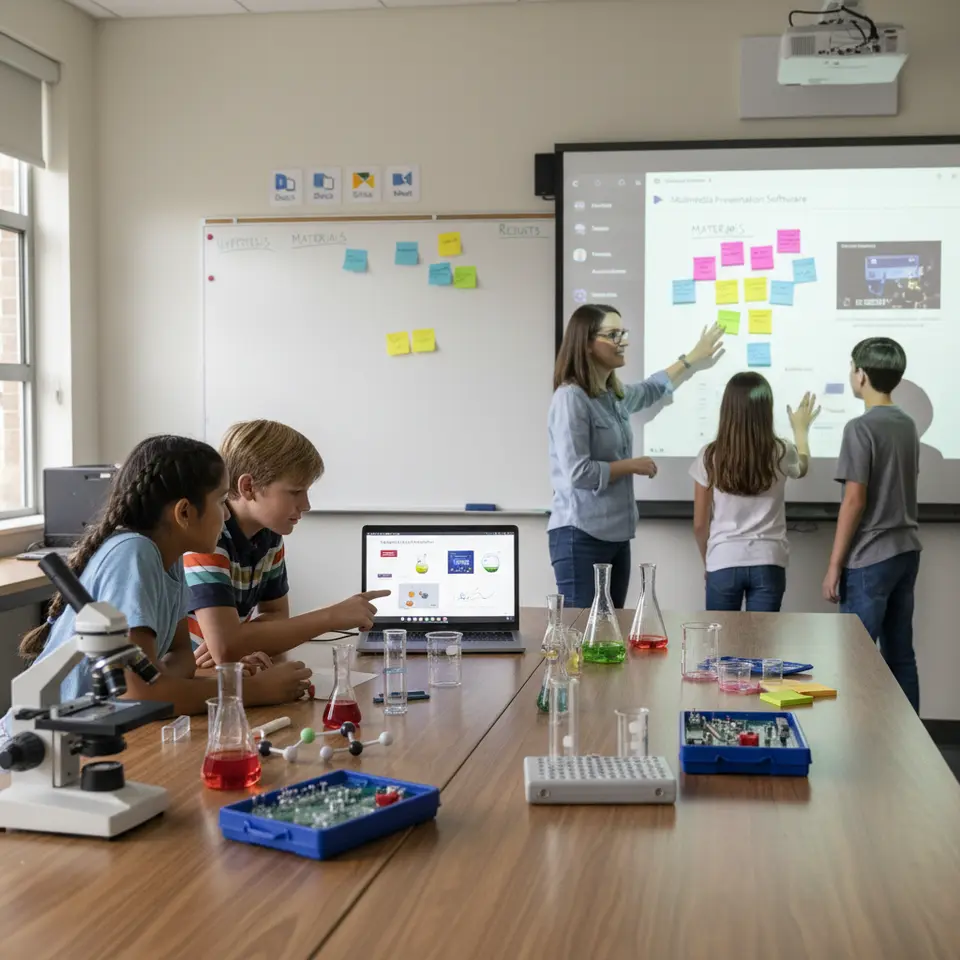
Equipping your classroom with the right combination of physical and digital resources is crucial for successful inquiry-based learning. Below is a curated list of tools that can enhance student investigations:
Science and Manipulative Kits
Hands-on materials—such as lab glassware, microscopes, and model-building components—provide tactile experiences that reinforce abstract concepts. Science kits from reputable suppliers can simplify setup and ensure safety in experiments.
Online Databases and Research Portals
Access to credible information sources is vital. Encourage students to explore academic repositories like Google Scholar, the National Science Digital Library, and government databases available through the U.S. Department of Education (ed.gov). Proper training in source evaluation helps learners distinguish peer-reviewed studies from less reliable content.
Collaborative Platforms and Digital Whiteboards
Tools such as Google Workspace, Microsoft Teams, and interactive whiteboards facilitate real-time brainstorming and data sharing. Platforms like Padlet or Miro allow students to visualize their thought processes and track project milestones collectively.
Virtual Laboratories and Simulations
When physical resources are limited, web-based simulations offer immersive alternatives. Virtual labs from organizations like the PhET Interactive Simulations project enable students to manipulate variables in physics, chemistry, and biology experiments without leaving the classroom.
Multimedia and Presentation Software
Encourage learners to communicate findings creatively using tools like Canva, PowerPoint, or video editing applications. Multimedia projects engage varied learning styles and help students polish digital literacy skills that are essential in today’s workplace.
By blending traditional materials with modern technology, educators can create a robust ecosystem that supports every stage of the inquiry cycle—from question formulation to data analysis and communication.
Overcoming Challenges and Sustaining Inquiry-Based Learning
Transitioning to inquiry-based learning often presents hurdles related to time constraints, assessment practices, and classroom management. However, with deliberate strategies, these challenges can be addressed effectively:
Managing Time and Curriculum Coverage
Teachers frequently worry that open-ended investigations will derail pacing guides. To mitigate this, start small by incorporating inquiry modules into one unit per term. Map essential questions directly to required standards and use concise daily reflections to monitor progress. Gradually expand as you refine your approach.
Aligning Assessments with Process Skills
Standardized tests may not fully capture the depth of inquiry-based learning. Develop rubrics that assess critical-thinking, research methodology, and collaboration. Include self-assessments and peer reviews to provide multiple perspectives on student growth.
Supporting Diverse Learners
Students arrive with varied readiness levels and learning preferences. Offer differentiated scaffolding—such as guided question prompts, graphic organizers, or small-group coaching sessions—to ensure all learners can participate meaningfully. Over time, gradually release responsibility as confidence grows.
Fostering a Classroom Culture of Inquiry
Creating an environment where questions are celebrated requires intentional effort. Schedule regular “question dumps” where students post curiosities on a classroom board. Acknowledge particularly insightful inquiries and model curiosity by sharing your own questions and research pursuits.
Continuous Professional Development
Educators benefit from ongoing training in facilitation techniques and technological tools. Participate in workshops, online courses, and professional learning communities to exchange best practices and troubleshoot common issues.
By proactively addressing these challenges, schools can sustain inquiry-based learning initiatives and foster a culture of continuous improvement and student empowerment.
Frequently Asked Questions
What age groups can benefit from inquiry-based learning?
Inquiry-based learning is flexible and can be adapted for learners from early elementary through higher education by adjusting the complexity of questions and the level of scaffolding provided.
How do I measure student progress in an inquiry-based classroom?
Use rubrics that assess both the investigative process—such as question formulation, data collection, and collaboration—and the final products, including presentations or reports. Incorporate self-assessment and peer feedback for a holistic view of learning.
What if students struggle to develop their own research questions?
Provide supported prompts, graphic organizers, or examples of strong inquiry questions. Conduct brainstorming sessions as a class to model how to break down broad topics into manageable, open-ended questions.
Can inquiry-based learning prepare students for standardized testing?
While inquiry-based learning focuses on higher-order thinking, the skills developed—critical analysis, problem solving, and evidence-based reasoning—are directly transferable to standardized assessments and real-world challenges.
Conclusion
Inquiry-based learning offers a powerful framework for transforming education in today’s information-rich world. By centering instruction on student-generated questions, guiding hands-on exploration, and reflecting on outcomes, educators can cultivate critical thinkers and lifelong learners. The benefits of inquiry-driven instruction extend far beyond content mastery, nurturing collaboration, creativity, and confidence.
This year (2026), seize the opportunity to integrate inquiry-based learning into your teaching practice. Start by crafting an essential question that resonates with your students, equip your classroom with the right tools, and develop assessments that honor both the process and the product of learning. As learners embark on investigative journeys, they will not only deepen their understanding of subject matter but also sharpen the skills needed to thrive in an ever-evolving world.
Embrace inquiry-based learning today, and watch curiosity become the catalyst for your students’ academic and personal growth.