Navigating the educational landscape can sometimes feel like trying to read a map written in a foreign language. For both students and parents, understanding the precise terminology used by schools, administrators, and policy makers is a crucial first step in making informed decisions about the future. You might hear various terms thrown around during parent-teacher conferences or university open houses, but having a firm grasp on the basics provides a solid foundation for your child’s academic journey.
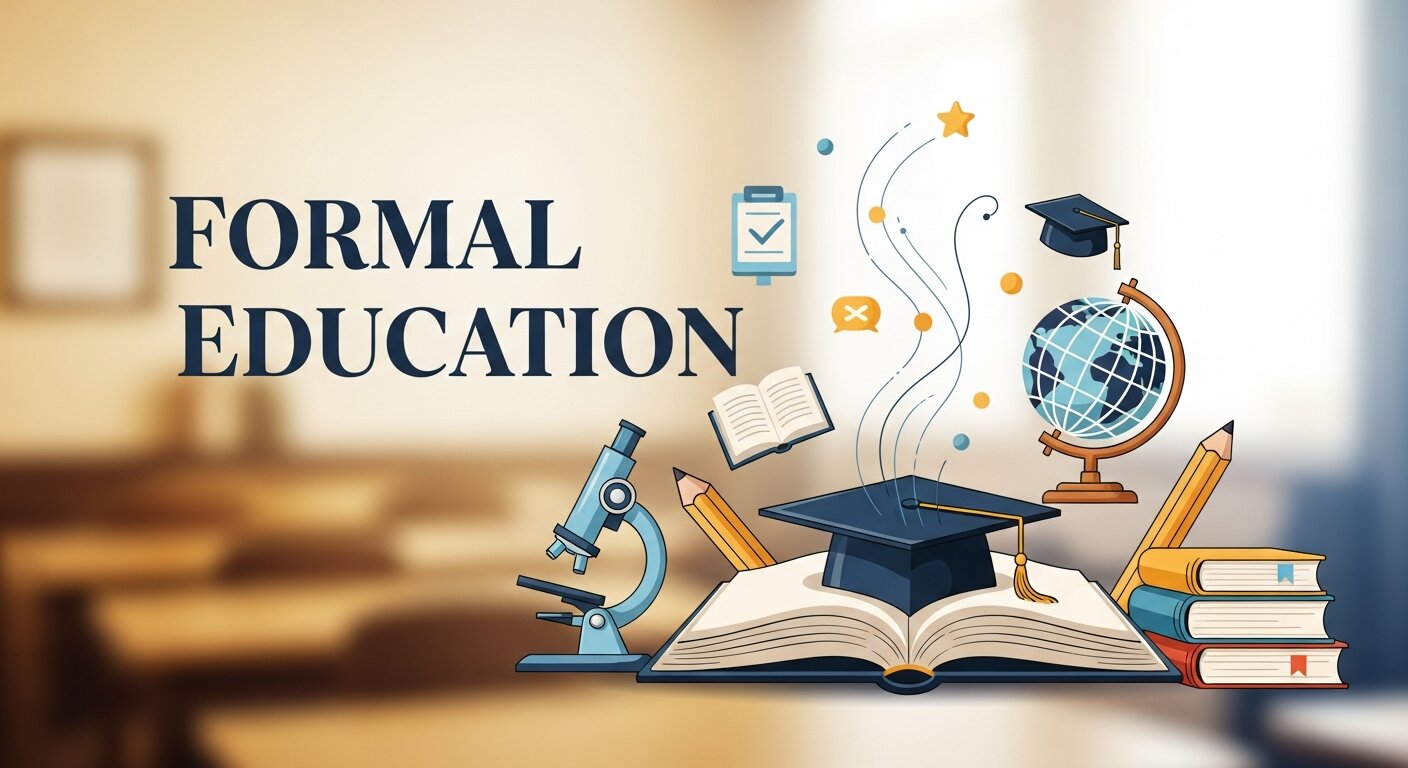
At the core of this system is the formal education definition. This concept represents the structured, systematic, and chronological learning environment that most people associate with traditional schooling. It starts in early childhood with preschool or kindergarten, progresses through primary and secondary school, and often culminates in tertiary education at a college or university.
Understanding this framework helps families set realistic expectations, track academic progress, and plan for future career goals. It also provides a baseline to see how modern innovations are changing the way students learn. By grasping the formal education definition, parents and students can better appreciate the value of a structured curriculum while also making room for new technological tools that enhance the traditional classroom experience.
Understanding the Formal Education Definition
When educators talk about the formal education definition, they are referring to a highly institutionalized and chronologically graded educational model. This system is heavily regulated by state or national governing bodies, ensuring that all students receive a standardized level of instruction. It is delivered by trained, certified teachers within a designated physical or digital environment, such as a school or a highly structured online academy.
Core Characteristics of Formal Learning
The hallmark of a formal education is its reliance on a predetermined syllabus. Students follow a specific curriculum designed to build their knowledge step-by-step over several years. Assessments, such as standardized tests and final exams, measure a student’s grasp of the material. Passing these evaluations typically results in recognized credentials, like a high school diploma or a bachelor’s degree.
Attendance is usually mandatory, and the learning process is strictly scheduled. This creates a predictable routine that teaches students discipline, time management, and accountability alongside their academic subjects.
How Formal Education Compares to Informal Learning
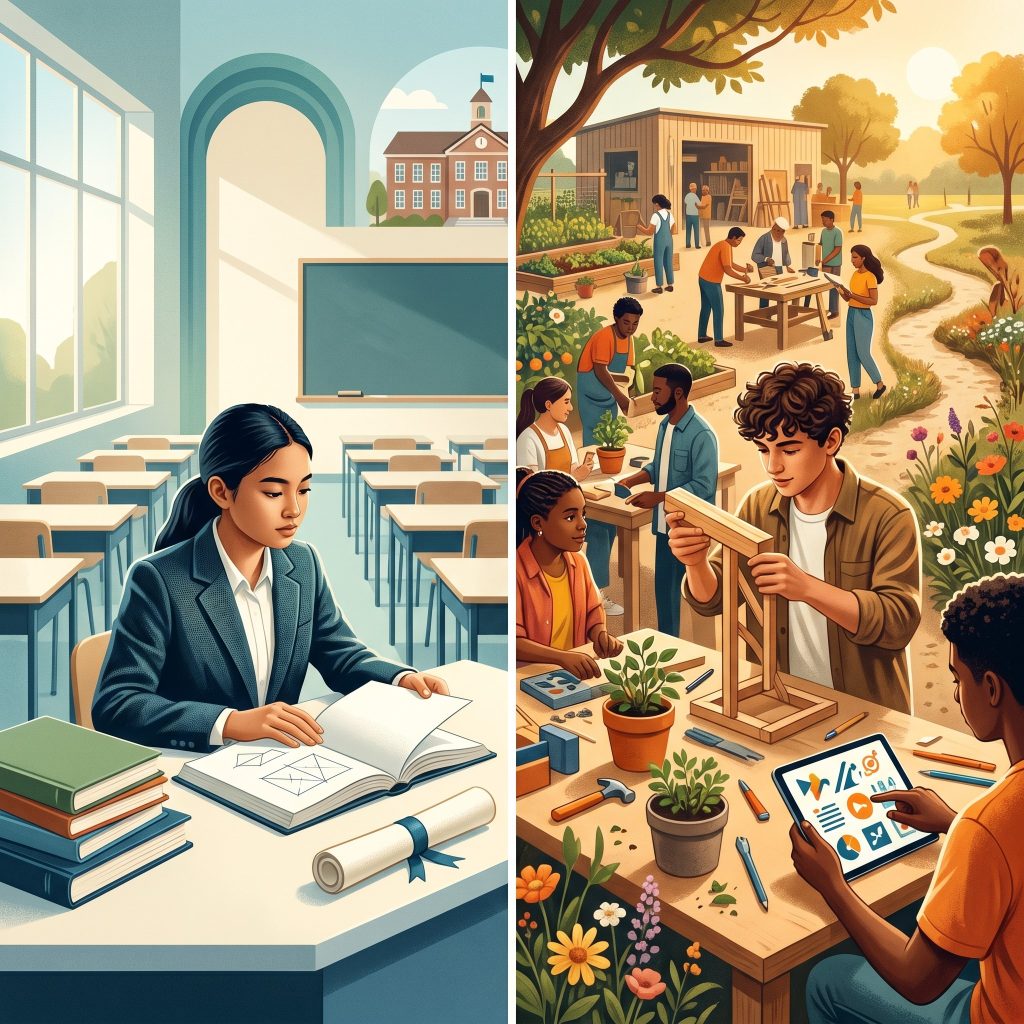 To fully grasp the formal education definition, it helps to look at what it is not. Informal education happens outside of a structured environment. It includes the skills and values a child learns from their parents at home, the knowledge gained from reading a book for pleasure, or the practical lessons learned from a part-time job.
The Role of Curriculum and Certification
While informal learning is spontaneous and lifelong, formal education is deliberate and goal-oriented. Informal learning rarely comes with a certificate of completion. You do not get a diploma for learning how to ride a bike or cook a family recipe. Formal education, however, is deeply tied to credentialing. The degrees and certificates earned through this system are universally recognized by employers and higher education institutions, serving as tangible proof of a person’s competence and knowledge in a specific area.
The Evolving Landscape of Traditional Schooling
The formal education definition has remained relatively stable for decades, but the methods used to deliver this structured learning are undergoing a massive transformation. Schools are no longer restricted to chalkboards and textbooks. Technology has woven itself into the fabric of the standardized curriculum, creating dynamic new ways for students to engage with their coursework.
Integrating Social Media for Education
Administrators and teachers are increasingly recognizing the value of digital communities. Using Social Media for Education allows students to collaborate on group projects, participate in classroom discussions outside of regular hours, and access a wealth of supplementary resources. Teachers use dedicated, secure platforms to post assignments, share educational videos, and keep parents updated on classroom activities. This integration helps students develop digital literacy skills within a safe, structured environment, blending modern communication tools with traditional academic goals.
The Rise of the Self Learning AI Chatbot
Another major shift in the formal education sector is the introduction of artificial intelligence. Many schools and universities are incorporating the self learning ai chatbot into their digital infrastructure. These sophisticated tools provide students with personalized tutoring, instant answers to scheduling questions, and guided study sessions. Because the chatbot learns and adapts to the individual user’s needs, it can offer tailored explanations for complex math problems or grammar rules. This ensures students receive immediate support even when a teacher is not available, reinforcing the material taught during formal classroom hours.
Working with a Consultant E Learning
As schools transition to more advanced digital platforms, they often require outside expertise to ensure these tools align with strict curriculum standards. This is where a consultant e learning becomes invaluable. These professionals work directly with school districts and universities to design digital learning environments that meet the criteria of a formal education. They help institutions choose the right software, train teachers on new technologies, and ensure that online assessments are fair and accurate. Their expertise guarantees that the shift toward digital learning does not compromise the quality or structure of the education provided.
Benefits of a Formal Education Structure
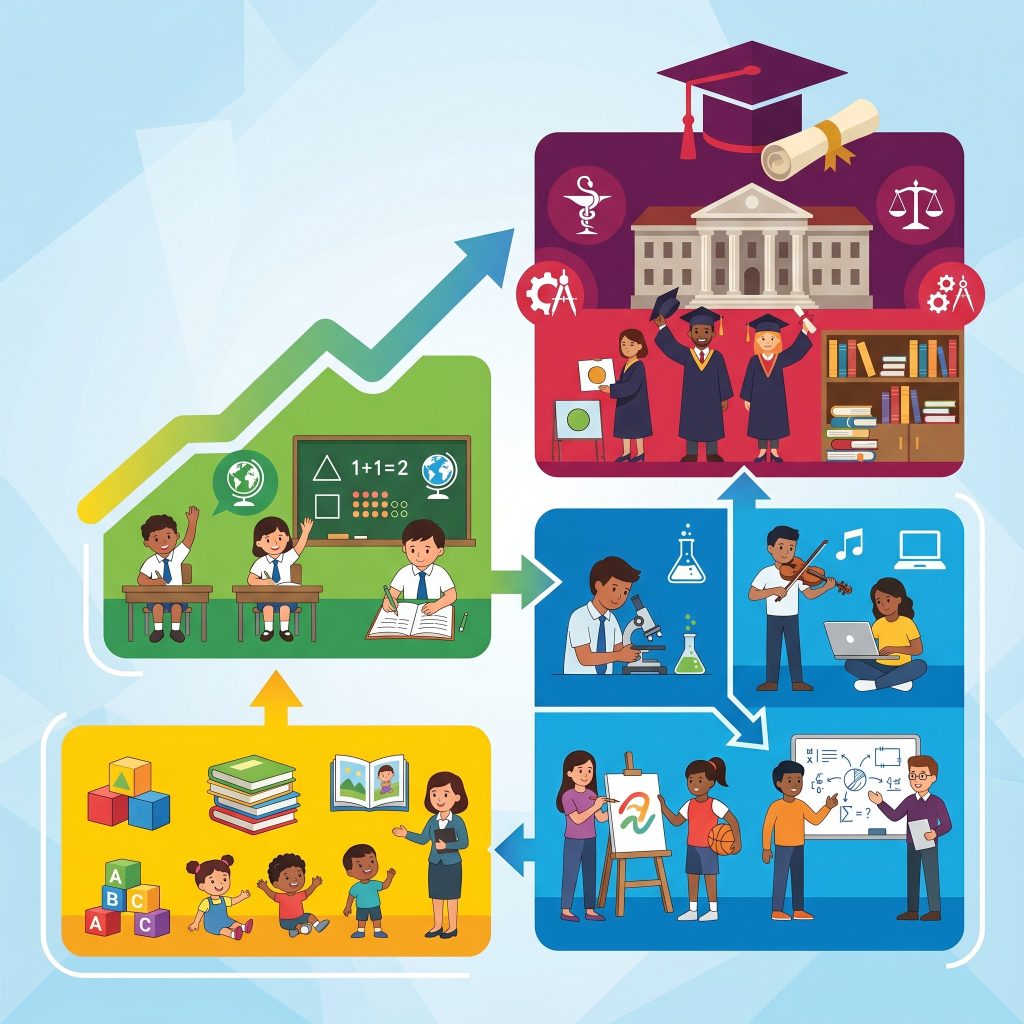 While alternative schooling methods have gained popularity, the traditional model offers distinct advantages that are difficult to replicate. The predictability and rigor of a formal curriculum provide a clear roadmap for success, helping students build a diverse foundation of knowledge before they specialize in a specific career path.
Academic and Career Milestones
The structured nature of formal education ensures that students meet critical developmental milestones. Each grade level introduces concepts that are slightly more advanced than the last, preventing knowledge gaps. Furthermore, the credentials earned through this system are often prerequisites for professional careers. Whether a student aspires to become a nurse, an engineer, or an accountant, the journey almost always requires navigating the formal education system to obtain the necessary licenses and degrees.
Social Development and Networking
Beyond academics, formal education provides a vital environment for social development. Schools bring together students from various backgrounds, teaching them how to collaborate, resolve conflicts, and build lasting relationships. The classroom setting requires students to practice public speaking, participate in group work, and respect diverse viewpoints. In higher education, this environment transitions into valuable networking opportunities, connecting students with professors, industry professionals, and peers who will eventually become their colleagues.
Navigating the Education System: A Guide for Parents
Understanding the formal education definition empowers parents to become active participants in their child’s academic life. When you know how the system operates, you can better advocate for your child’s needs, whether that means requesting additional tutoring, exploring advanced placement courses, or discussing individualized education plans with teachers.
Tracking Progress and Supporting Students
Parents can support their children by staying engaged with the curriculum. Reviewing syllabi, keeping track of major testing dates, and communicating regularly with educators ensures that students do not fall behind. Encouraging a healthy balance between structured homework time and informal, creative play also helps children thrive. By respecting the structure of formal education while providing a supportive home environment, parents set the stage for long-term academic success.
Challenges Students Face in Formal Education
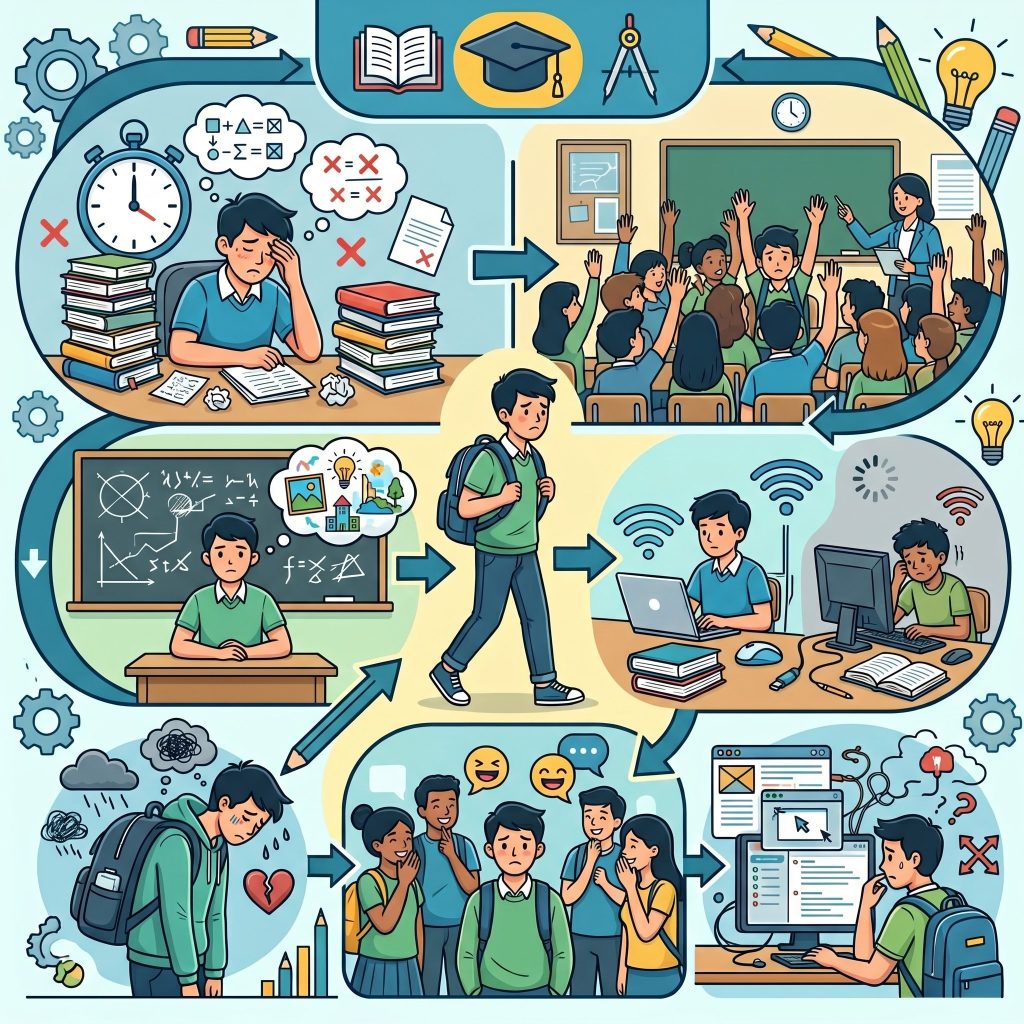 Although formal education provides structure and consistency, students often encounter several challenges throughout their academic journey. Pressure from exams, strict schedules, and academic competition can create stress and anxiety for learners of all ages. Some students struggle to adapt to traditional teaching methods because everyone learns differently. Large classroom sizes may also make it difficult for teachers to provide personalized attention to every student. Financial barriers, lack of resources, and unequal access to technology can further impact educational opportunities. Despite these difficulties, schools are increasingly introducing counseling services, digital learning tools, and flexible teaching strategies to support student success. Recognizing these challenges allows parents, teachers, and institutions to create healthier learning environments that encourage confidence, motivation, and long-term academic achievement.
The Importance of Teacher-Student Relationships
Strong teacher-student relationships play a major role in the success of formal education. Teachers are not only responsible for delivering lessons but also for guiding, motivating, and supporting students throughout their development. When students feel respected and encouraged by their teachers, they are more likely to participate actively in class and maintain a positive attitude toward learning. Effective communication between educators and students also creates a safer and more comfortable classroom environment. Teachers who understand individual learning styles can adapt their methods to help students overcome academic difficulties. Positive relationships build trust, improve classroom behavior, and strengthen emotional well-being. In many cases, supportive teachers become lifelong mentors who inspire students to pursue higher education, career goals, and personal growth with greater confidence.
How Formal Education Builds Critical Thinking Skills
One of the greatest advantages of formal education is its ability to develop critical thinking and analytical skills. Through structured lessons, classroom discussions, research assignments, and problem-solving activities, students learn how to evaluate information logically and make informed decisions. Instead of simply memorizing facts, modern education encourages students to question ideas, analyze evidence, and explore different perspectives. Subjects like mathematics, science, literature, and social studies all contribute to intellectual growth in unique ways. These critical thinking abilities become valuable far beyond the classroom because they help students navigate real-world situations effectively. Employers also highly value individuals who can solve problems independently and communicate their ideas clearly. Formal education provides the foundation students need to think creatively, responsibly, and strategically throughout their lives.
The Impact of Globalization on Formal Education
Globalization has significantly transformed the structure and goals of formal education systems worldwide. Schools and universities are increasingly preparing students for an interconnected world where communication, technology, and international collaboration are essential skills. Students now have access to global learning resources, online courses, and multicultural educational experiences that were not widely available in the past. Many institutions include foreign language programs, cultural studies, and international exchange opportunities to broaden student perspectives. Technology also allows classrooms from different countries to collaborate on projects and discussions in real time. As global industries continue to expand, employers seek graduates who understand diverse cultures and can work effectively in international environments. Formal education helps students develop the adaptability and global awareness needed to succeed in today’s rapidly changing world.
The Role of Extracurricular Activities in Education
Formal education extends beyond textbooks and examinations. Extracurricular activities play a crucial role in helping students develop social, emotional, and leadership skills. Sports teams, debate clubs, music programs, student organizations, and volunteer opportunities allow students to explore personal interests outside traditional academic subjects. Participation in these activities teaches teamwork, discipline, responsibility, and time management. Students also gain confidence by interacting with peers and taking on leadership roles within their school communities. Extracurricular involvement can improve academic performance because students learn how to balance responsibilities effectively. Colleges and employers often value candidates who demonstrate strong communication and leadership abilities through these experiences. A well-rounded education combines academic achievement with extracurricular participation to support personal growth and prepare students for future success.
Future Innovations in Formal Education
The future of formal education will likely be shaped by continuous technological innovation and evolving teaching methods. Artificial intelligence, virtual reality, and personalized learning systems are already changing how students interact with educational content. Virtual classrooms may soon provide immersive learning experiences where students can explore historical events, conduct science experiments, or practice professional skills digitally. Data-driven learning platforms will allow teachers to track student progress more accurately and provide customized support based on individual needs. Hybrid learning models that combine in-person instruction with online education are also becoming increasingly common. These innovations aim to make education more flexible, engaging, and accessible for learners worldwide. While technology continues to evolve, the core mission of formal education will remain focused on helping students gain knowledge, develop skills, and prepare for future opportunities.
Frequently Asked Questions (FAQ)
What is the formal education definition?
Formal education refers to a structured and organized learning system provided by schools, colleges, universities, and other educational institutions. It follows a planned curriculum, scheduled classes, and standardized assessments that lead to recognized certifications or degrees.
What are the main characteristics of formal education?
Formal education typically includes a fixed curriculum, trained teachers, classroom instruction, regular examinations, grading systems, and official certifications. It also follows a chronological structure divided into grade levels or academic stages.
Why is formal education important?
Formal education helps students gain academic knowledge, develop critical thinking skills, improve communication abilities, and prepare for professional careers. It also teaches discipline, teamwork, and problem-solving skills that are valuable throughout life.
How is formal education different from informal education?
Formal education takes place in a structured institution with a planned curriculum and certified teachers. Informal education happens naturally through daily experiences, hobbies, family interactions, or self-directed learning without official certification.
What are examples of formal education?
Examples include preschool, elementary school, high school, vocational training programs, colleges, universities, and structured online learning institutions that provide certificates or degrees.
Making the Most of the Educational Journey
The formal education definition is more than just academic jargon. It is the blueprint for a system designed to equip students with the knowledge, skills, and credentials necessary to succeed in a complex world. While the tools of the trade are evolving—bringing AI and advanced digital platforms into the classroom—the core mission remains the same.
By understanding the structure, expectations, and modern advancements of formal schooling, parents and students can work together to maximize the educational experience. Stay curious, stay involved, and embrace the resources available to you. The journey through formal education is a long one, but with the right map, it is an incredibly rewarding adventure.