In today’s digital landscape, educators and learners alike are searching for evidence-based methods that align with how the brain naturally acquires, organizes, and retrieves information. The concept of brain-based learning has emerged as a powerful framework that bridges neuroscience and pedagogy to enhance both engagement and academic performance.
By integrating principles such as neuroplasticity, cognitive load management, and spaced repetition, instructors can help students move information from short-term working memory into durable long-term storage. Effective application of these techniques not only improves retention but also nurtures critical thinking, creativity, and motivation. In this comprehensive article on brain-based learning, we will explore foundational neuroscience principles, outline five high-impact strategies, and demonstrate practical steps for implementation. Drawing on authoritative research from institutions like the National Institute of Neurological Disorders and Stroke (ninds.nih.gov) and guidance from the U.S. Department of Education (ed.gov), educators will gain actionable insights to elevate student success in a rapidly evolving educational landscape.
Understanding Brain-Based Learning Principles and Neuroscience Foundations
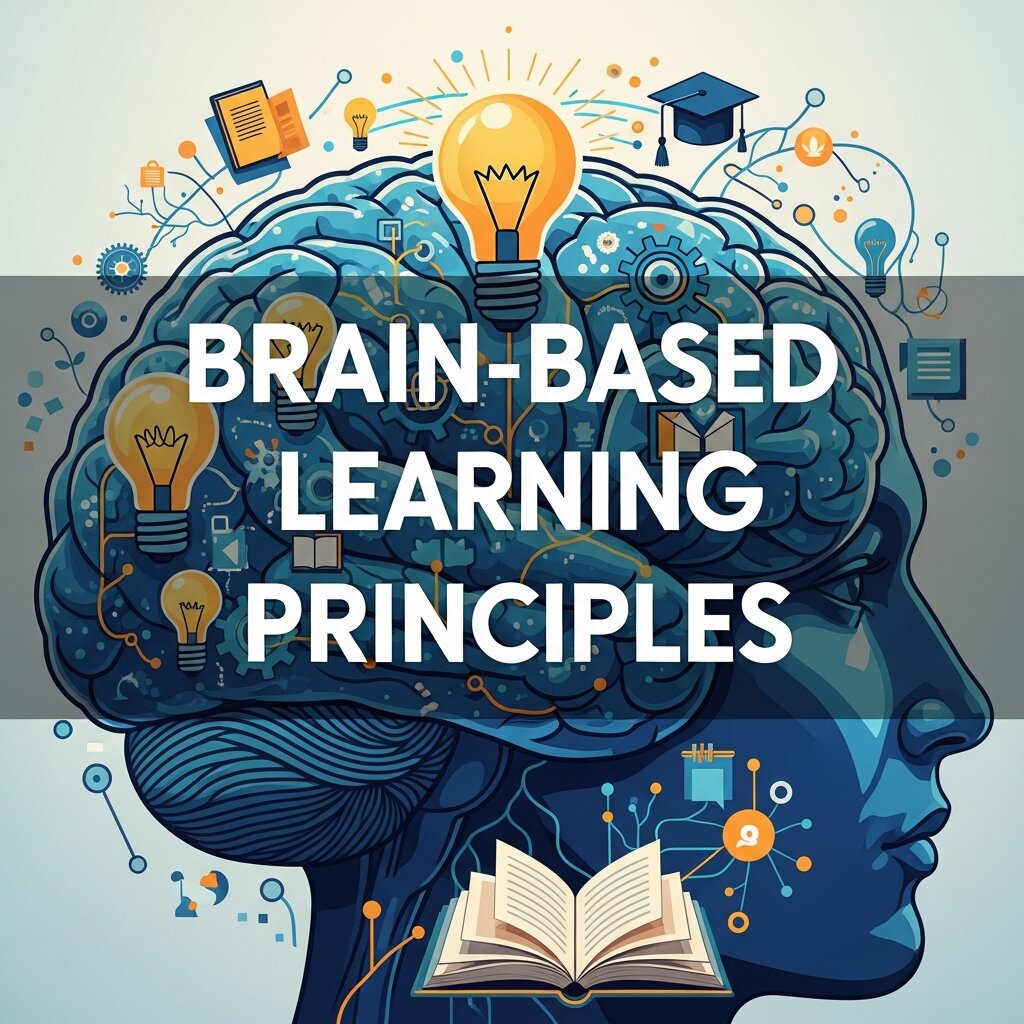 Brain-based learning refers to an instructional approach that applies empirical findings about brain function to teaching methods. Rather than relying solely on lecture-based or rote memorization techniques, this model encourages lesson designs that mirror how neural networks develop, strengthen, and reorganize. Core ideas include:
- Active Participation: Engagement through hands-on activities, discussions, and collaborative projects drives stronger neural activation than passive listening.
- Emotional Resonance: Content connected to personal experiences or real-world scenarios stimulates emotional centers in the brain, making information more memorable.
- Pattern Organizing: The brain excels at detecting patterns—structuring content into chunks, sequences, or hierarchies supports deeper comprehension.
- Rest and Recovery: Periodic breaks, sleep, and mindful downtime are vital for memory consolidation and cognitive rejuvenation.
- Multisensory Engagement: Combining visuals, sounds, movement, and tactile experiences reinforces neural pathways and supports diverse learner profiles.
By embedding these tenets into curriculum design, educators create an environment in which neuroplasticity—the brain’s remarkable capacity to form new connections—can flourish. When students actively manipulate materials, articulate their reasoning, and relate lessons to their interests, they drive the structural changes in their brains that underpin long-term mastery. In this section, we’ll delve into the scientific underpinnings that make brain-based learning an essential approach for today’s classrooms.
At the heart of brain-based learning lies an understanding of neurological mechanisms. Here are several key concepts shaping modern pedagogy:
- Neuroplasticity: Repeated practice and meaningful engagement strengthen synaptic connections. According to research from the University of California, Berkeley (neuroscience.berkeley.edu), even short daily exercises can drive significant changes in brain structure and function over time.
- Working vs. Long-Term Memory: Working memory holds limited information for seconds or minutes, while long-term memory stores vast amounts of data indefinitely. Educators aim to facilitate efficient transfer by revisiting key concepts across multiple sessions.
- Long-Term Potentiation (LTP): The process by which repeated stimulation enhances synaptic strength, forming the biological basis for memory consolidation and retrieval.
- Neurochemical Modulation: Neurotransmitters such as dopamine and acetylcholine regulate attention, reward, and learning. Positive feedback and emotionally engaging tasks trigger dopamine release, amplifying motivation and retention.
Through deliberate application of these insights, instructors can optimize lesson pacing, feedback mechanisms, and classroom climate. For example, alternating focused work periods with brief restorative breaks capitalizes on LTP while protecting against cognitive fatigue. Similarly, embedding storytelling or real-world problems taps into dopamine-driven reward circuits, making the learning process more enjoyable and effective.
High-Impact Strategies for Classroom Application
 Translating neuroscience into actionable techniques can revolutionize how students engage with material. Below are five robust strategies grounded in brain-based learning principles:
1. Optimize Cognitive Load with Chunking
Because working memory can manage only a few elements at once, breaking complex subjects into bite-sized units prevents overload. Educators can:
- Create concept maps or graphic organizers to visualize relationships.
- Introduce new ideas in brief segments, followed by quick formative checks.
- Eliminate unnecessary information to focus on essential principles.
By distributing content across successive interactions, learners build robust mental schemas that facilitate deeper understanding.
2. Enhance Retention through Spaced Repetition
Spacing reviews of information at increasing intervals leverages the brain’s natural forgetting curve. Combine this with retrieval practice—encouraging students to recall information without cues—to strengthen memory traces. Techniques include:
- Brief low-stakes quizzes are scheduled days or weeks after initial lessons.
- Peer-led flashcard sessions or journal reflections, prompting self-testing.
- Adaptive software platforms that adjust review timing based on student performance.
When applied consistently, spaced retrieval fosters durable long-term knowledge retention.
3. Incorporate Multisensory Experiences
Engaging multiple senses simultaneously deepens neural connectivity. Strategies to adopt are:
- Pairing storytelling with images, short videos, or realia.
- Implementing hands-on experiments, role plays, or maker-space activities.
- Adding auditory elements, such as background music or rhythm exercises, to reinforce key concepts.
Such varied input not only accommodates diverse learning styles but also invites active participation, making lessons more memorable.
4. Foster Emotional Engagement
Emotions act as accelerator pedals for learning. When students feel curious, challenged, or connected, their brains release neurochemicals that heighten focus and encoding. To cultivate emotional investment:
- Begin units with compelling real-life scenarios or thought-provoking questions.
- Integrate storytelling, debates, and personal reflection to tap into students’ values and experiences.
- Create a supportive environment where risk-taking and mistakes are celebrated as part of growth.
By acknowledging feelings and encouraging authentic voices, educators can foster a classroom culture that inspires lasting motivation.
5. Prioritize Rest, Reflection, and Well-Being
Optimal learning emerges from a balance of stimulation and recovery. To support brain health:
- Schedule short intervals for movement breaks, mindfulness, or guided breathing exercises.
- Highlight the importance of quality sleep and nutrition in memory consolidation.
- Assign reflection journals that students revisit after a night’s rest to reinforce insights.
By integrating rest and reflective practices, teachers help solidify neural pathways and mitigate cognitive overload.
Integrating Technology and Sustaining Brain-Based Practices
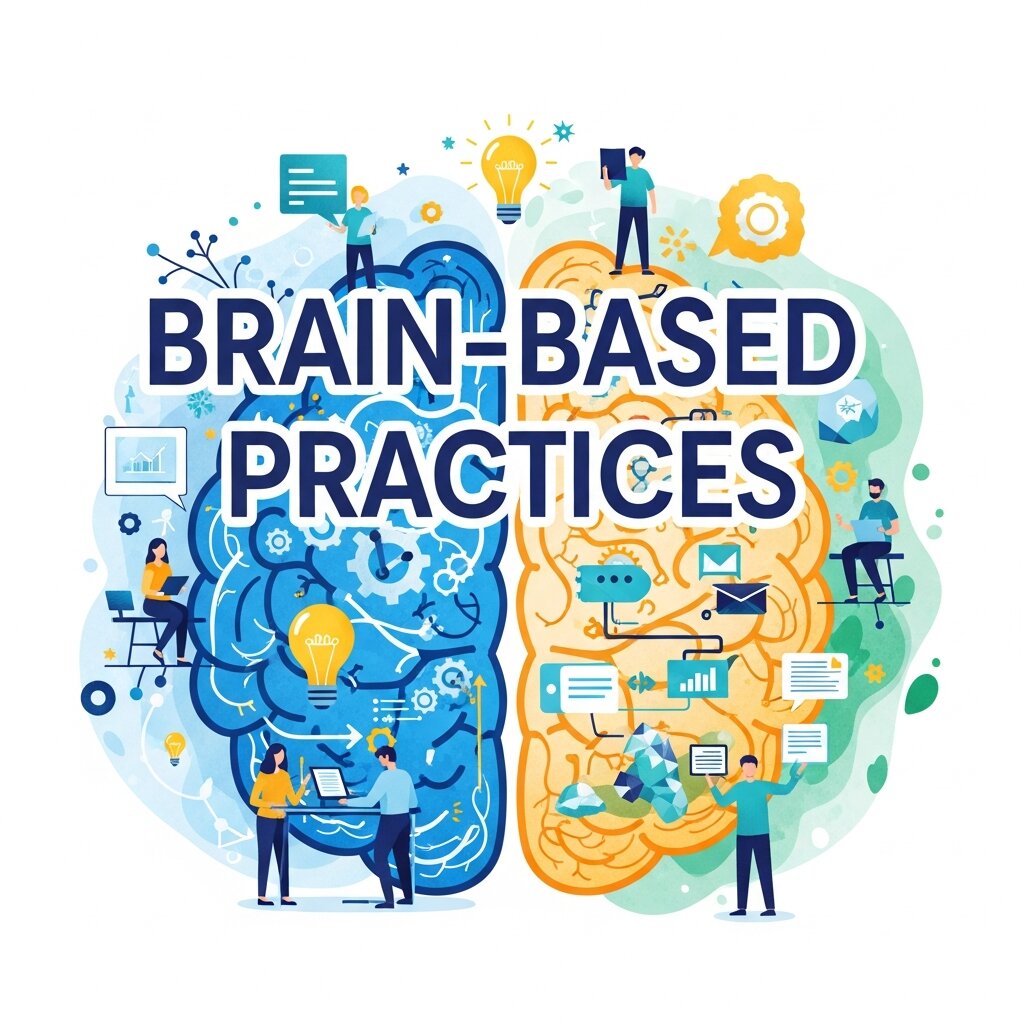 Leveraging digital tools and feedback mechanisms can magnify the impact of brain-based strategies. Consider these approaches:
Adaptive Learning Platforms
Software that personalizes instruction and automatically schedules spaced reviews ensures each learner progresses at an optimal pace. Features often include diagnostic quizzes, interactive simulations, and real-time analytics that help instructors identify areas needing reinforcement.
Interactive Multimedia Tools
Virtual labs, 3D models, and educational games engage multiple senses while providing immediate feedback. For instance, molecular visualization software brings abstract scientific concepts to life, fostering deeper comprehension.
Formative Assessment Techniques
Quick writes, minute papers, exit tickets, and peer reviews offer valuable insights into student understanding. These low-stakes assessments encourage retrieval practice and inform instructional adjustments, ensuring lessons remain aligned with learners’ needs.
Student Voice and Choice
Inviting learners to co-design projects or select topics for exploration taps into intrinsic motivation. When students feel agency over their learning path, they engage more deeply and develop critical self-regulation skills.
Introducing brain-based learning methods may present hurdles, but proactive strategies can help smooth the transition:
- Limited Time: Pilot a single strategy—such as brief movement breaks or reflective journaling—before scaling up across the curriculum.
- Resource Constraints: Utilize free online resources, share materials with colleagues, or tap into community partnerships to secure manipulatives and digital tools.
- Student Skepticism: Explain the science behind activities and involve learners in evaluation, fostering buy-in through transparency.
- Alignment with Standards: Map brain-friendly tasks to required learning objectives, demonstrating that formative, multisensory tasks can support standardized test goals.
By starting small, gathering feedback, and iterating based on results, teachers can build sustainable practices that consistently yield improved engagement and achievement.
The Role of Neuroplasticity in Lifelong Learning
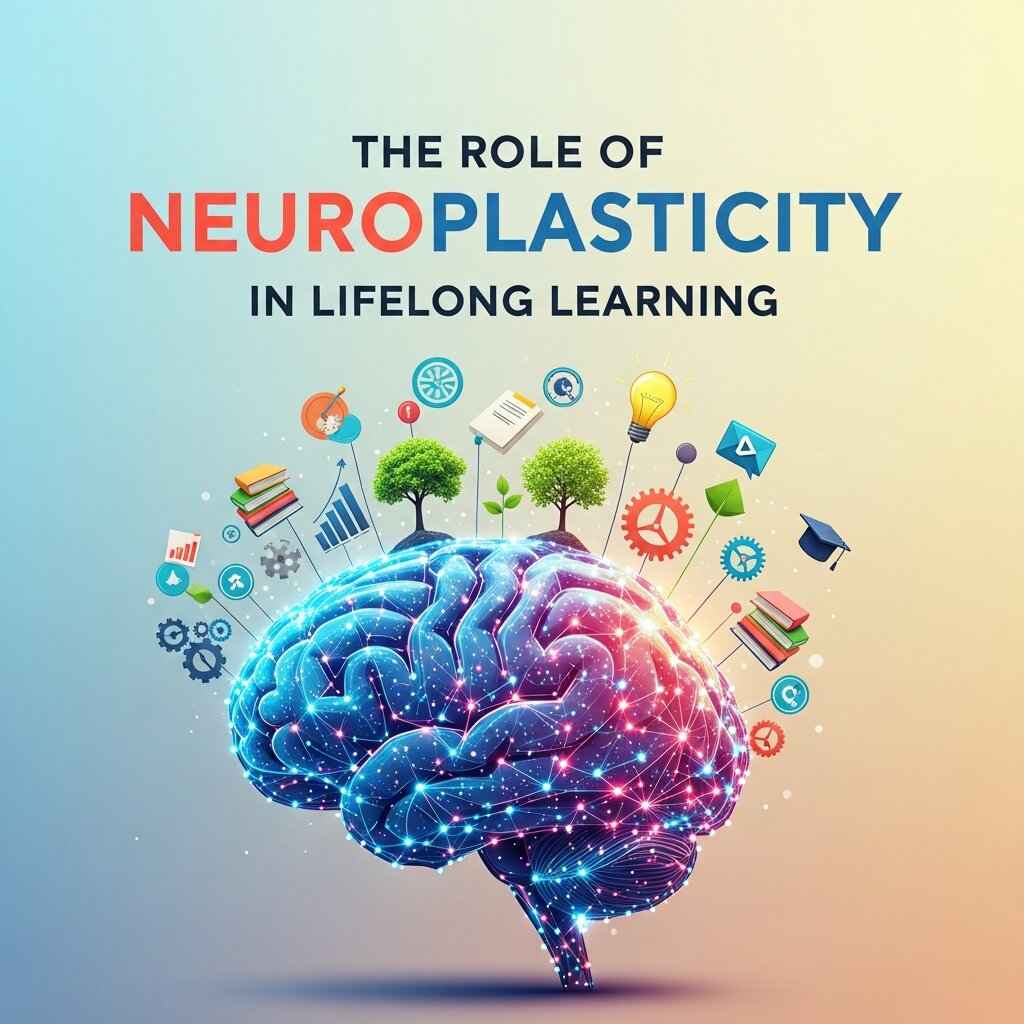 Neuroplasticity remains one of the most important scientific foundations behind brain-based learning. It refers to the brain’s ability to reorganize neural pathways based on new experiences, repeated practice, and meaningful stimulation. In educational settings, this means intelligence and capability are not fixed traits but can continuously grow through deliberate learning experiences. Teachers who reinforce concepts through repetition, reflection, and real-world application actively strengthen synaptic pathways that support long-term retention. In 2026, neuroplasticity research continues to influence curriculum design, especially in skill-based and personalized learning environments. When students understand that their brains can grow stronger through effort, they become more resilient and motivated. Embedding growth mindset principles alongside neuroplasticity helps create classrooms where persistence, experimentation, and gradual mastery are viewed as essential parts of the learning journey.
The Connection Between Brain-Based Learning and Student Motivation
Motivation plays a critical role in how effectively the brain encodes and retrieves information. Brain-based learning emphasizes the importance of relevance, autonomy, and reward systems to maintain student engagement. When learners see a clear purpose in a lesson and understand how it connects to real life, the brain activates attention and reward pathways more efficiently. Dopamine release associated with achievement, curiosity, and positive reinforcement strengthens memory formation and encourages continued participation. Educators can boost motivation by offering student choice, inquiry-based tasks, gamified learning, and immediate constructive feedback. In today’s academic landscape, motivation-driven instruction is especially effective for improving classroom participation and reducing disengagement. By aligning teaching methods with intrinsic motivational triggers, educators can create learning experiences that feel meaningful, enjoyable, and neurologically optimized for deeper retention and academic success.
Brain-Based Learning for Different Age Groups
One of the strengths of brain-based learning is its adaptability across age groups and developmental stages. Young learners benefit from movement, repetition, storytelling, and sensory-rich experiences that strengthen foundational neural pathways. Middle-grade students often respond well to collaborative problem-solving, visual frameworks, and emotionally relevant content that supports identity formation and critical thinking. Older students and adult learners benefit from self-directed learning, reflection-based exercises, and real-world problem application that activates higher-order cognitive processing. In 2026, differentiated instruction models will increasingly integrate neuroscience principles to align teaching methods with developmental readiness. Understanding age-related differences in attention span, emotional regulation, and memory processing allows educators to design more effective lessons. This personalized approach ensures brain-based learning remains practical and impactful from early childhood classrooms to university and professional training environments.
The Importance of Classroom Environment in Brain-Based Learning
The physical and emotional classroom environment directly affects brain performance and learning outcomes. Brain-based learning recognizes that stress, noise, lighting, social dynamics, and psychological safety all influence how students process and retain information. A calm, supportive, and visually organized learning space reduces cognitive distractions and allows working memory to focus on meaningful tasks. Positive classroom culture also lowers anxiety, which helps prevent the brain’s threat response from interfering with concentration and recall. Flexible seating, natural light, collaborative zones, and visual aids can further enhance engagement. Emotional safety is equally important—students must feel respected and comfortable making mistakes. In today’s evolving educational systems, teachers who intentionally design brain-friendly environments often see stronger participation, improved confidence, and better long-term academic performance across diverse learner groups.
Measuring the Effectiveness of Brain-Based Learning Strategies
To sustain brain-based learning successfully, educators need clear ways to measure its effectiveness. Data-driven evaluation helps determine whether strategies like spaced repetition, multisensory instruction, or movement breaks are improving engagement and retention. Useful indicators include formative assessment scores, student participation rates, recall accuracy over time, and qualitative reflections from learners. Pre- and post-learning comparisons can reveal how well information moves into long-term memory. In 2026, many schools also use adaptive learning analytics and AI-powered dashboards to track cognitive performance trends in real time. This evidence-based feedback allows teachers to refine instructional methods and focus on techniques that produce the strongest neurological and academic outcomes. Continuous measurement ensures that brain-based learning remains a dynamic, research-informed framework rather than a one-time instructional experiment.
Future Trends in Brain-Based Learning and Educational Neuroscience
The future of brain-based learning is closely tied to advances in neuroscience, AI, and personalized education technologies. Emerging tools now combine biometric feedback, adaptive learning software, and real-time performance analytics to optimize how lessons are delivered. Wearable devices, emotion-sensitive interfaces, and intelligent tutoring systems may soon provide deeper insight into student attention, stress, and comprehension patterns. In 2026, educational neuroscience is increasingly influencing curriculum planning, assessment design, and digital learning ecosystems. Research into sleep, focus cycles, and emotional regulation is also shaping how schools structure schedules and classroom experiences. As these innovations expand, brain-based learning will continue evolving from a teaching philosophy into a precision-driven instructional science. Educators who stay aligned with these trends will be better positioned to create future-ready classrooms that maximize human potential through neuroscience-informed practices.
FAQ
What is brain-based learning?
Brain-based learning is an instructional approach that applies findings from neuroscience to teaching strategies, emphasizing how the brain naturally acquires, organizes, and retrieves information.
How can educators manage cognitive load effectively?
Teachers can use chunking, graphic organizers, and brief formative checks to break complex content into manageable units, preventing working memory overload.
Why is emotional engagement important in the classroom?
Emotional resonance stimulates neurochemical pathways like dopamine release, which enhances motivation, focus, and the encoding of new information.
How does spaced repetition improve retention?
By scheduling reviews at increasing intervals and incorporating retrieval practice, spaced repetition reinforces memory traces and counters the brain’s natural forgetting curve.
What role does technology play in brain-based strategies?
Adaptive platforms personalize learning, multimedia tools engage multiple senses, and formative assessments provide real-time feedback, all of which support neuroscience-driven teaching methods.
Conclusion
Brain-based learning offers a powerful roadmap for educators committed to maximizing student success. By managing cognitive load, applying spaced repetition, leveraging multisensory input, nurturing emotional connections, and valuing rest, teachers create conditions where neural networks grow stronger and more flexible. This year (2026), as professionals navigate evolving classroom demands, grounding instruction in neuroscience principles ensures that each lesson is both rigorous and resonant. Start integrating these research-backed strategies today, observe the transformative impact on engagement and retention, and watch as your learners thrive in a truly brain-aligned environment.
Read more about this topic: Project-Based Learning: Practical Steps for Student Success