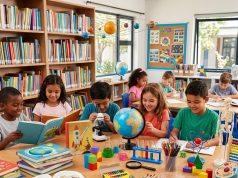
Gaining knowledge changes the trajectory of a person’s life. From the moment we step into a classroom to the quiet hours spent reading a new book, the process of acquiring new skills shapes our identity. Education and learning serve as the bedrock of both personal development and professional success. They open doors to new career paths, expand our worldview, and build the critical thinking skills required to solve complex problems.
The modern landscape of acquiring knowledge looks drastically different than it did just a decade ago. Traditional classrooms still hold immense value, but digital platforms, community workshops, and self-directed study have expanded the horizon. People now have the freedom to curate their own educational journeys. This flexibility means that continuous skill-building is no longer restricted to specific life stages or physical locations.
Understanding the varied ways we gather information helps us make better choices about our own development. By examining different structured and unstructured approaches, we can maximize our potential. This comprehensive guide explores how various educational models contribute to continuous growth, highlighting the modern tools and methodologies that make skill acquisition more accessible than ever.
Understanding the Formal Education Definition
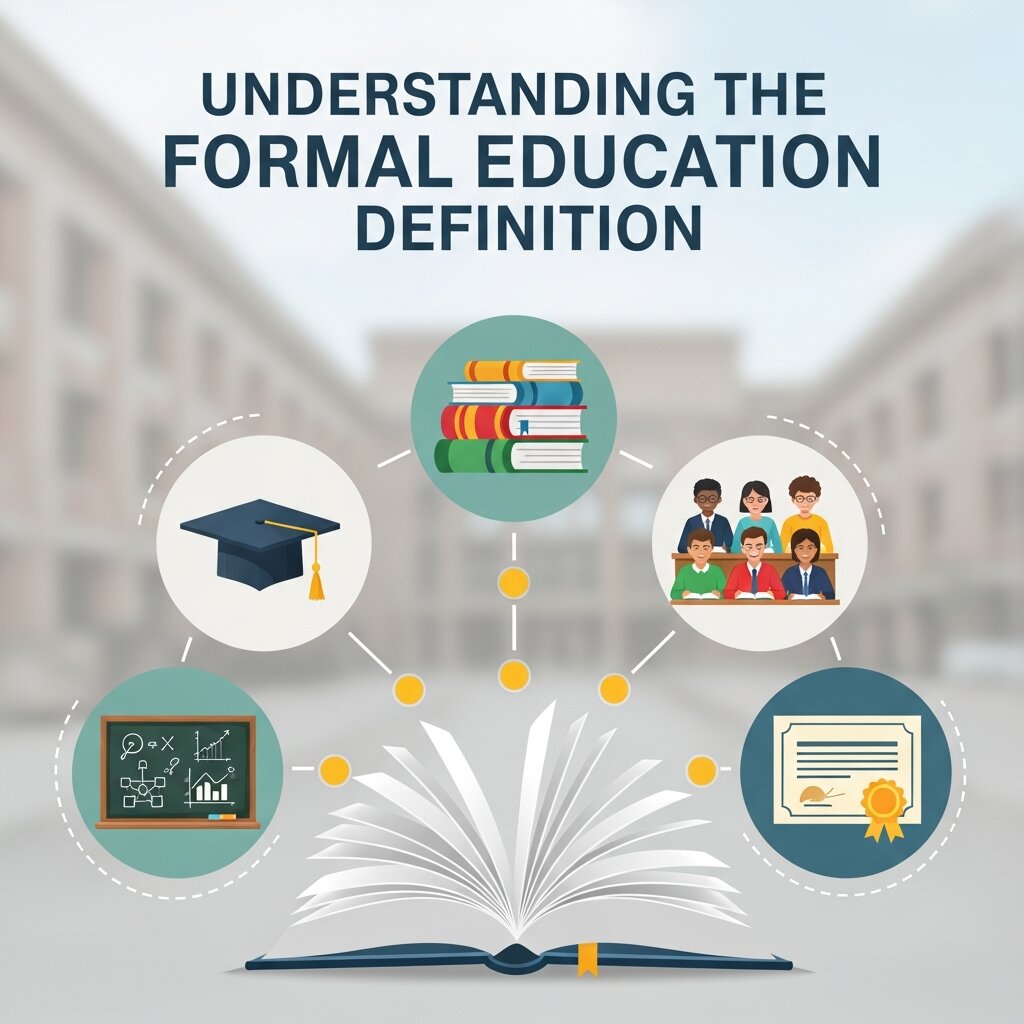 When people think about school, they usually picture formal systems. The formal education definition refers to a structured, systematic, and highly institutionalized learning system. It starts with early childhood education and progresses through primary school, secondary school, and university. Recognized educational bodies oversee this system, ensuring that teachers follow specific curricula and students meet standardized benchmarks.
This structured approach provides a clear pathway for students to acquire foundational knowledge in subjects like mathematics, literature, and science. The certification obtained at the end of these programs—such as high school diplomas or university degrees—acts as a universal currency in the job market. Employers rely on these credentials to gauge a candidate’s baseline competence and commitment to long-term goals.
Despite the rise of alternative learning methods, formal systems remain essential. They teach discipline, time management, and the ability to work within established frameworks. However, the rigidity of these systems can sometimes stifle creativity. This is why many educators now advocate for blending traditional schooling with more flexible, student-centric approaches.
The Impact of Non Formal Education
Outside the strict boundaries of traditional schools, non formal education plays a massive role in skill development. This type of learning is intentional and organized but occurs outside the standard curriculum. Examples include community coding bootcamps, language exchange groups, adult literacy programs, and professional certification courses.
Non formal education offers immense flexibility. Learners can focus purely on the skills they need without spending years completing unrelated prerequisite courses. A graphic designer looking to learn web development can take a six-week intensive course rather than returning to university for a computer science degree. This adaptability makes it highly attractive for adult learners and working professionals aiming to upskill quickly.
Furthermore, these programs often boast smaller class sizes and a more practical, hands-on approach. Instructors are frequently industry professionals rather than career academics, meaning the knowledge shared is highly relevant to current market demands. By embracing these alternative pathways, individuals can continuously adapt to changing industry standards.
Breaking Down Formal vs Informal Learning
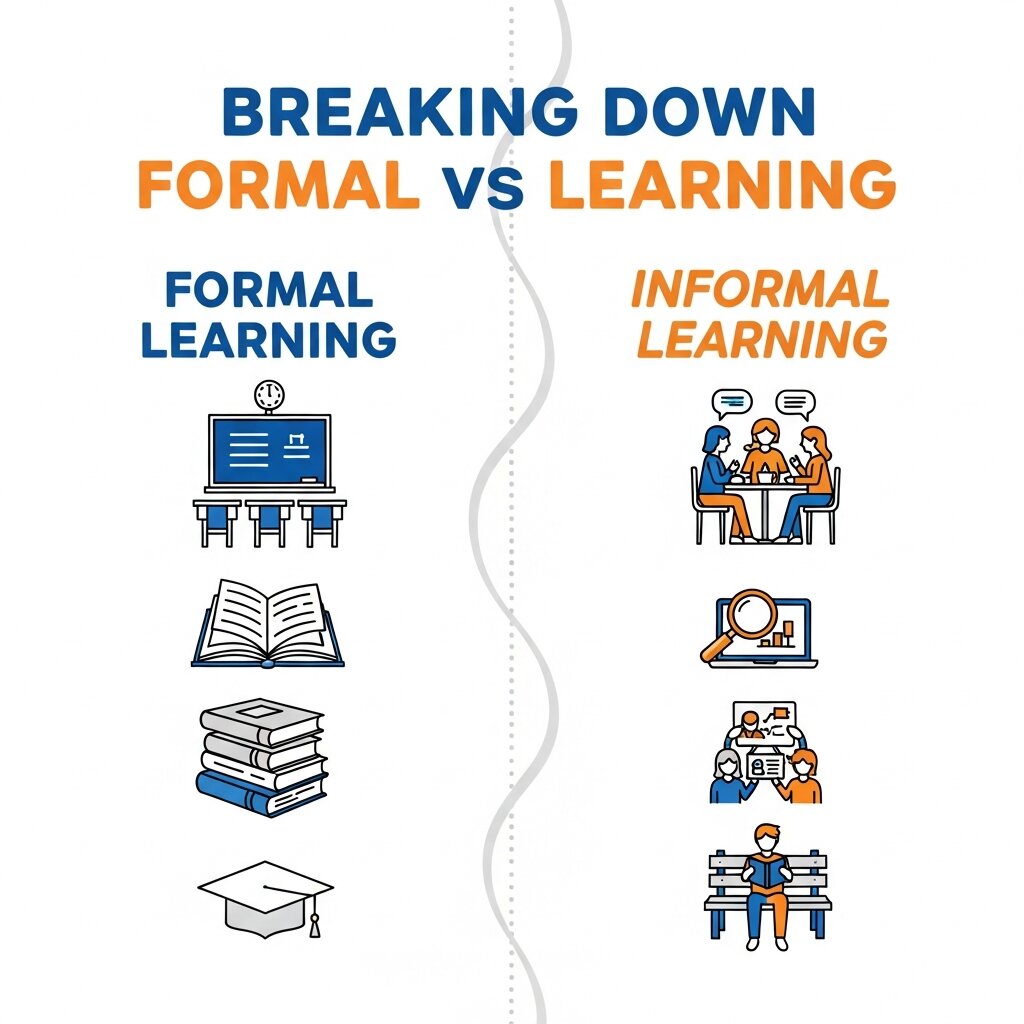 To fully grasp how we develop skills, we must look at formal vs informal learning. We already know that formal systems are structured and credential-driven. Informal learning, on the other hand, happens organically. It is the unorganized, often unintentional acquisition of knowledge that occurs during daily life.
You engage in informal learning when you watch a tutorial video to fix a leaky faucet, ask a colleague for help formatting a spreadsheet, or read an article about historical events out of pure curiosity. There are no tests, no grades, and no official certificates. The motivation comes entirely from immediate personal need or intrinsic interest.
Both methods are crucial for a well-rounded professional profile. Formal systems build the theoretical foundation, while informal experiences build practical intuition. A doctor learns human anatomy through rigorous formal study, but they develop their bedside manner through years of informal observation and human interaction. Balancing both approaches leads to the highest levels of personal and professional mastery.
Unlocking Social Media for Education
The integration of digital platforms into the classroom has fundamentally changed how students and teachers interact. Social media for education is no longer a concept of the future; it is an active, daily reality. Platforms like Twitter, LinkedIn, and even TikTok have become massive repositories of micro-learning content, industry news, and academic discussion.
Educators use these platforms to create private groups where students can share resources, ask questions, and collaborate on projects outside of school hours. This breaks down the walls of the traditional classroom, allowing discussions to continue long after the bell rings. It also provides a space for introverted students, who might hesitate to speak up in person, to contribute their thoughts comfortably online.
Moreover, these networks connect classrooms to the outside world. A history class can follow museum curators on Twitter, while business students can connect with startup founders on LinkedIn. This real-world connection makes academic theories feel tangible and applicable, significantly boosting student engagement and retention.
Exploring Social Media Benefits for Education
When appropriately utilized, the social media benefits for education are vast. One of the primary advantages is the democratization of information. High-quality educational content is available to anyone with an internet connection, breaking down geographic and economic barriers. Experts from around the globe share their insights daily, providing students with diverse perspectives that a single textbook could never offer.
Another major benefit is the development of digital literacy. As students navigate these platforms to research topics and engage in academic discourse, they learn how to evaluate sources, identify misinformation, and communicate professionally online. These soft skills are heavily sought after by modern employers.
Additionally, digital networking platforms foster a sense of global community. Students can collaborate with peers from different continents, working together on global issues like climate change or public health. This cross-cultural communication builds empathy and prepares young people to operate in a deeply interconnected global economy.
Navigating Social Media Education for Students
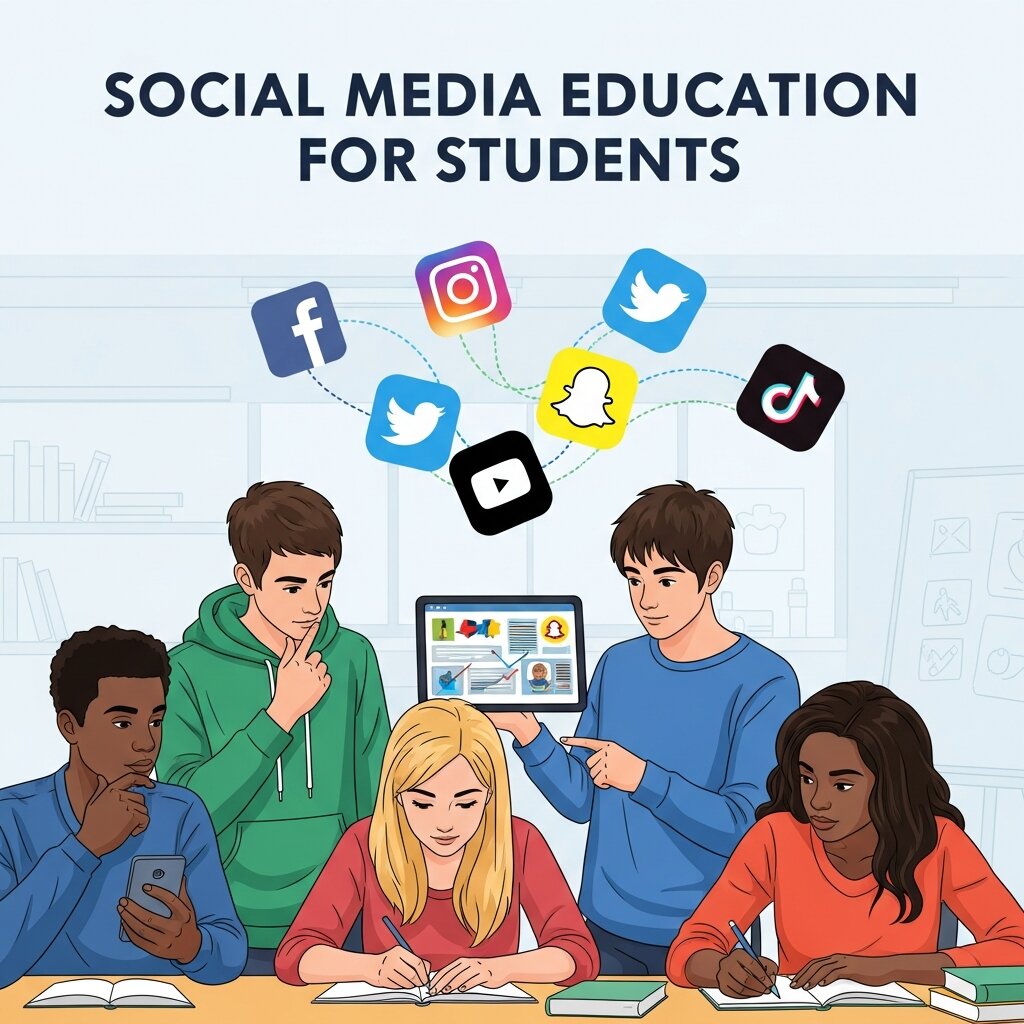 Teaching young people how to interact with digital platforms responsibly is critical. Social media education for students goes beyond simply using apps; it involves understanding digital footprints, online etiquette, and the psychological impacts of heavy screen time. Schools and parents must work together to guide students through the complexities of the online world.
Students need to understand that their online behavior leaves a permanent record. A poorly thought-out comment or inappropriate photo can impact future college admissions and job opportunities. Educational programs that focus on digital citizenship teach students how to build a positive online presence that highlights their achievements and interests.
Furthermore, education around these platforms must address mental health. The constant comparison to curated online personas can lead to anxiety and decreased self-esteem. By openly discussing these issues in a safe educational environment, students learn to consume digital content critically and take necessary breaks from their screens.
Effective Social Media Management for Education
For schools and universities, maintaining an online presence requires careful planning. Social media management for education involves crafting a brand voice, sharing updates with parents, and highlighting student achievements while strictly protecting student privacy. Institutions must navigate this space carefully to build trust with their communities.
A strong management strategy includes clear guidelines on what type of content can be shared. Administrators must ensure they have proper consent before posting photos or videos of students. Additionally, schools use these platforms for crisis communication, broadcasting important alerts about closures or emergencies quickly and efficiently.
When managed well, an institution’s online profiles serve as powerful marketing tools. Prospective students and parents look at a school’s digital presence to gauge the campus culture. Highlighting successful alumni, innovative classroom projects, and community service events helps educational institutions attract top talent and maintain a positive public image.
Integrating a Self Learning AI Chatbot
Artificial intelligence is rapidly altering the educational landscape. A self learning AI chatbot can act as a personalized tutor available 24 hours a day. These advanced programs use natural language processing to understand student queries and provide immediate, accurate explanations for complex subjects.
Unlike traditional static resources, a self-learning chatbot adapts to the user. If a student struggles with a specific algebra concept, the AI can identify the knowledge gap and generate customized practice problems. It learns from every interaction, continually refining its teaching methods to suit the individual’s learning speed and style.
This technology also significantly reduces the burden on teachers. Chatbots can handle routine questions about syllabus details, assignment due dates, and basic concept reviews. This frees up human educators to focus on high-level instruction, emotional support, and facilitating deep critical thinking discussions in the classroom.
The Value of a Consultant E Learning Professional
As organizations rapidly shift toward digital training, expert guidance becomes necessary. Hiring a consultant e learning professional helps schools and corporations design effective, engaging online courses. These experts understand the intersection of technology and pedagogy, ensuring that digital programs are not just a collection of PDF documents, but truly interactive learning experiences.
An e-learning consultant evaluates an organization’s specific goals and target audience. They recommend the best learning management systems (LMS), interactive video tools, and assessment methods. By applying instructional design principles, they structure the content to maximize retention and prevent learner fatigue.
For corporate training departments, these consultants are invaluable. They can transform dull compliance training into engaging, gamified modules that employees actually want to complete. The investment in expert consulting leads to higher completion rates, better knowledge retention, and ultimately, a more skilled and compliant workforce.
Frequently Asked Questions (FAQ)
1. What is the importance of education and learning in life?
Education and learning play a vital role in personal and professional development. They help individuals gain knowledge, improve critical thinking skills, and open up better career opportunities. Continuous learning also allows people to adapt to changing environments and technologies.
2. What is the difference between formal and non-formal education?
Formal education is structured, institution-based learning that follows a fixed curriculum and leads to certifications or degrees. Non-formal education, on the other hand, is flexible and skill-focused, often conducted through workshops, courses, or training programs outside traditional schools.
3. What is informal learning?
Informal learning is unstructured and happens naturally in everyday life. It includes activities like watching tutorials, reading articles, or learning from personal experiences without any formal certification or curriculum.
4. How does social media help in education?
Social media provides access to a vast range of educational content, enables collaboration among students, and connects learners with experts worldwide. It also supports interactive learning through discussions, videos, and real-time communication.
5. What are the benefits of using social media for students?
Students can access diverse resources, improve digital literacy, collaborate globally, and stay updated with the latest trends. It also helps them develop communication and networking skills.
6. What is a self-learning AI chatbot in education?
A self-learning AI chatbot is a digital tool that provides personalized learning support. It can answer questions, explain concepts, and adapt to a student’s learning style, acting as a 24/7 virtual tutor.
7. Why is non-formal education important for professionals?
Non-formal education allows professionals to quickly learn new skills relevant to their careers without committing to long-term academic programs. It is flexible, practical, and focused on real-world applications.
8. How can students use social media responsibly for learning?
Students should follow credible sources, avoid misinformation, maintain respectful communication, and manage screen time. Understanding digital etiquette and protecting personal information is also essential.
9. What is the role of e-learning consultants?
E-learning consultants help design effective online courses by combining technology with teaching strategies. They ensure that digital learning programs are engaging, structured, and aligned with learning objectives.
10. Is learning only limited to school and college?
No, learning is a lifelong process. People continue to gain knowledge through experiences, online platforms, professional training, and personal interests even after completing formal education.
Education and Learning as a Lifelong Journey
The pursuit of knowledge does not end when we receive a diploma. To remain relevant, adaptable, and fulfilled, we must view skill acquisition as a continuous, lifelong journey. Integrating formal systems, informal experiences, and cutting-edge digital tools creates a robust framework for continuous development. By embracing modern methodologies, from AI tutors to digital networking, we empower ourselves to reach new heights in both our personal lives and our professional careers.