For a long time, mobile phones and social platforms were seen as the ultimate classroom distractions. Teachers spent countless hours asking students to put their screens away and pay attention to the whiteboard. Now, a major shift is happening. Educators are realizing that the very tools once considered distractions can actually become powerful teaching aids.
Social media for education represents a massive opportunity to meet students where they already spend their time. Rather than fighting an uphill battle against digital platforms, forward-thinking schools and universities are incorporating them into their curricula. This approach allows teachers to create interactive spaces that extend far beyond the physical walls of a classroom.
Understanding how to leverage these platforms is crucial for modern teaching. Students process information differently now, requiring visual, interactive, and immediate formats. By adopting social platforms strategically, educators can boost participation, encourage collaborative learning, and prepare students for a digitally connected workforce.
This comprehensive guide covers the essential benefits of social media for education. We will explore the best tools available for teachers, outline actionable best practices for the classroom, and answer common questions about maintaining safety and productivity online.
The Evolution of Education and Learning
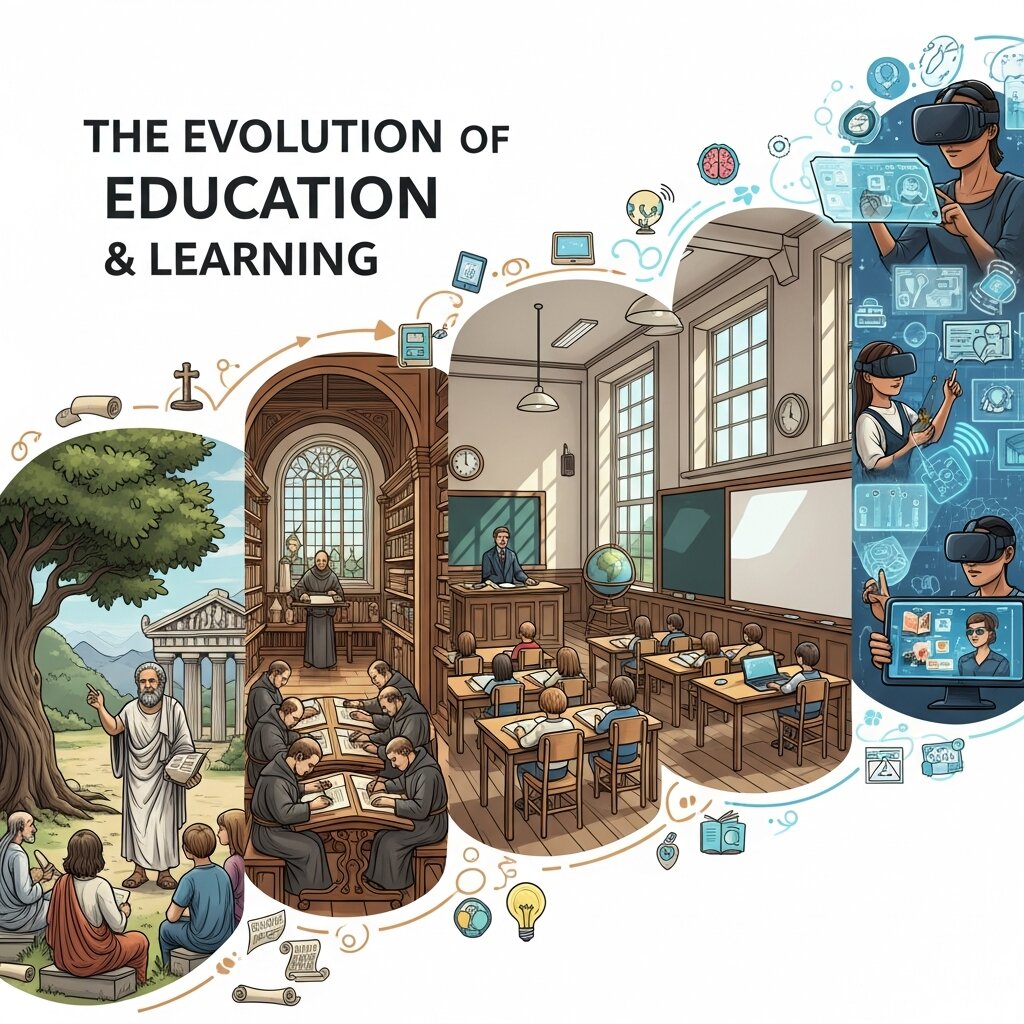 Education and learning have undergone a massive transformation over the past two decades. The traditional model relied heavily on textbooks, lectures, and standardized testing. Information flowed in one direction: from the teacher to the student.
The internet completely changed this dynamic. Knowledge is no longer confined to a library or a specific textbook. Students can search for answers instantly, watch tutorials from experts across the globe, and engage in digital study groups. This democratization of information means that the role of the teacher is shifting from a gatekeeper of knowledge to a facilitator of learning.
Social platforms play a massive part in this ongoing evolution. They offer spaces where learning becomes conversational and community-driven. Students can debate historical events on forums, share science projects on video-sharing apps, and connect with industry professionals on networking sites. Embracing social media for education simply means recognizing and utilizing the digital environments where modern communication naturally occurs.
Key Benefits of Social Media for Education
Integrating digital networking tools into a curriculum offers several distinct advantages. When used correctly, these platforms can completely transform a student’s academic experience.
Enhanced Student Engagement
Getting a classroom full of students to actively participate can be difficult. Some students are naturally shy, while others might struggle to process spoken lectures quickly enough to raise their hands. Social platforms provide an alternative avenue for participation. A student who rarely speaks during a live class might write brilliant responses in a dedicated online discussion group. The multimedia nature of these platforms—utilizing images, videos, and interactive polls—also caters to various learning styles, keeping students interested and engaged.
Improved Communication and Collaboration
Group projects often suffer from scheduling conflicts and poor communication. Social networking tools eliminate these barriers by providing centralized hubs for collaboration. Students can share links, edit documents simultaneously, and message each other instantly. This continuous connectivity allows for a more fluid exchange of ideas. Furthermore, teachers can use group chats or online pages to broadcast announcements, share syllabus updates, and answer questions outside of normal school hours.
Access to Global Resources
A local school is naturally limited by its geographic location and funding. Social platforms erase these borders entirely. A geography class can interact with researchers currently stationed in Antarctica. A high school band can get feedback from professional musicians via video responses. By connecting education and learning to a global network, teachers expose their students to diverse perspectives, cultures, and expertise that they would never encounter in a traditional setting.
Top Tools for Integrating Social Media in the Classroom
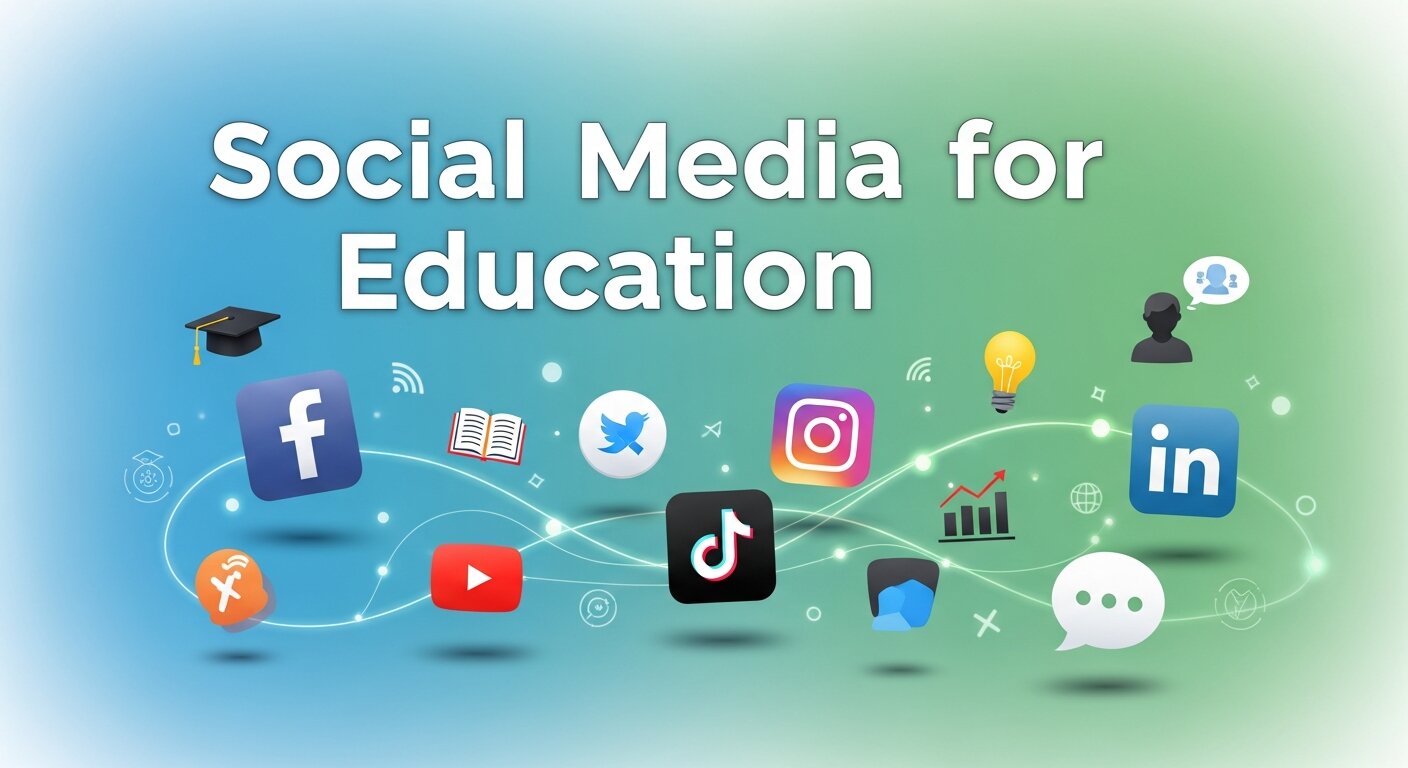
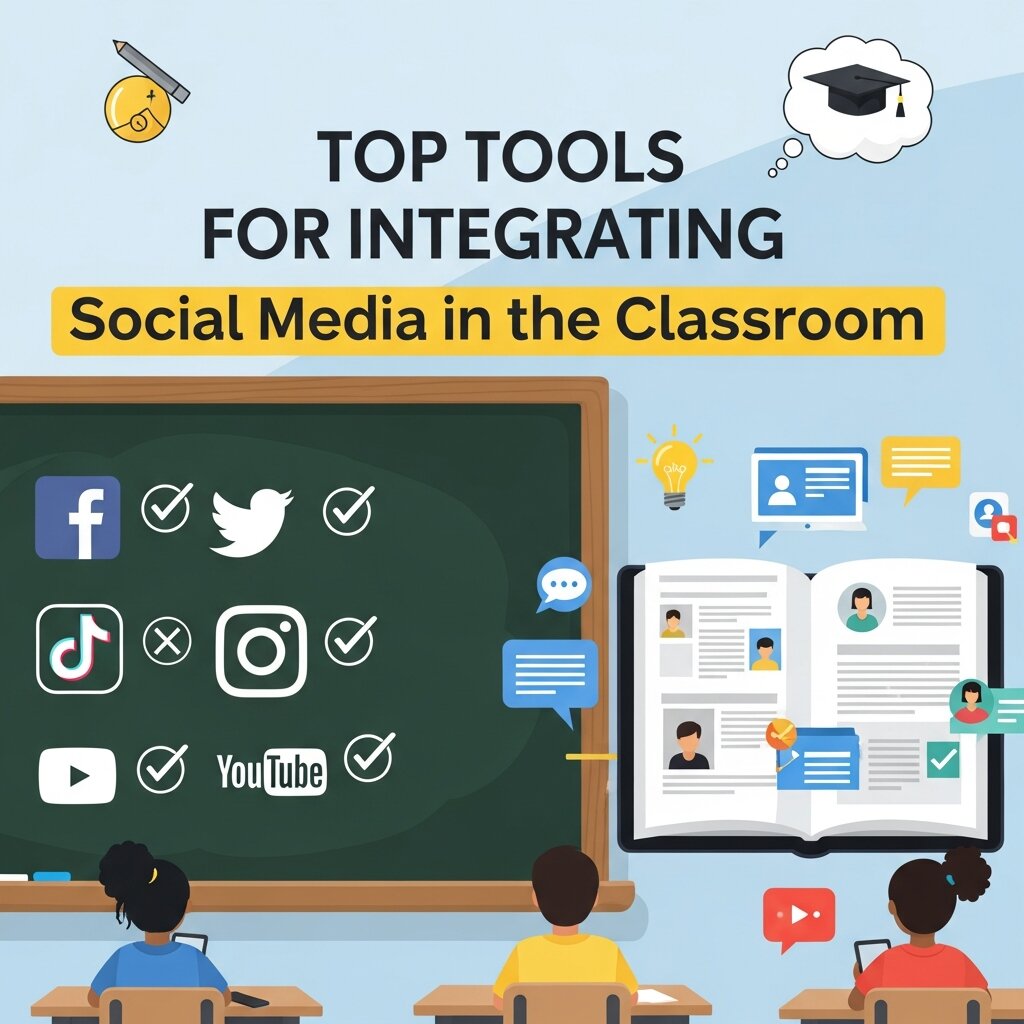 Not all platforms are created equal when it comes to academic use. Certain networks lend themselves better to specific types of assignments and interactions. Here are some of the most effective tools for educators.
X (Formerly Twitter) for Real-Time Discussions
X is an excellent platform for brevity and real-time updates. Teachers can create a unique hashtag for their class and ask students to live-tweet their thoughts during a presidential debate, a documentary screening, or a guest lecture. This forces students to synthesize their thoughts into concise, impactful statements. It also creates a searchable digital archive of the class’s collective notes and insights.
YouTube for Visual Learning
Video content is one of the most effective ways to explain complex concepts. Teachers can curate playlists of educational videos tailored to their current lesson plans. Beyond passive viewing, educators can encourage students to create their own channels. A science class might be tasked with filming and editing short lab reports, or a history class could record dramatic reenactments. Producing video content teaches valuable technical skills alongside the core academic material.
Instagram for Creative Projects
Instagram is a highly visual medium, making it perfect for subjects like art, photography, and literature. An English teacher might ask students to create an Instagram profile for a fictional character from a novel, posting images and captions that reflect the character’s perspective. Photography students can use the platform as a digital portfolio to share their work and receive constructive criticism from their peers.
LinkedIn for Career Preparation
For high school seniors and university students, LinkedIn is an invaluable resource. Educators can use this platform to teach students about professional networking, resume building, and personal branding. Assignments might include creating a complete professional profile, conducting informational interviews with industry alumni, and publishing short articles about trends in their chosen field of study.
Best Practices for Educators
 While the benefits are significant, using social media for education requires careful planning. Without boundaries, these platforms can quickly become distracting or problematic.
Establish Clear Guidelines
Before introducing any social platform into the curriculum, teachers must establish a strict code of conduct. Students need to know exactly what is expected of them regarding language, respect, and participation. Create a written agreement that outlines the academic purpose of the platform, the consequences for inappropriate behavior, and the grading criteria for digital assignments.
Prioritize Digital Citizenship and Safety
Online safety must be a core component of any digital learning initiative. Teach students about privacy settings, the permanence of digital footprints, and how to identify misinformation. Encourage them to use strong passwords and avoid sharing sensitive personal information. Fostering good digital citizenship ensures that students can navigate the internet safely, both in and out of the classroom.
Keep Personal and Professional Accounts Separate
Educators should never use their personal social media accounts to interact with students. Always create dedicated professional profiles specifically for classroom use. This maintains clear professional boundaries and protects the privacy of both the teacher and the students. Many platforms allow you to create private groups or closed networks, which is often the safest route for classroom discussions.
The Role of Content Moderation in Educational Use
When integrating social media into education, content moderation becomes essential. Open platforms can expose students to misinformation, inappropriate content, or distractions if not properly managed. Educators should take an active role in curating what students see and interact with. Creating private groups, restricting comments, and monitoring discussions help maintain a safe and focused learning environment. Additionally, teaching students how to critically evaluate online content is equally important. They should learn to verify sources, identify bias, and differentiate between credible information and misleading content. By combining platform controls with digital literacy skills, educators can ensure that social media remains a productive educational tool rather than a source of confusion or risk.
Encouraging Student Creativity Through Social Platforms
Social media opens the door to creative expression in ways traditional classrooms often cannot. Students can present assignments through videos, infographics, podcasts, or storytelling posts instead of standard written reports. This flexibility allows learners to showcase their understanding in formats that match their strengths. For example, a history lesson could become a short documentary, while a science topic might turn into an animated explainer video. These creative approaches increase motivation and make learning more enjoyable. Additionally, sharing content publicly or within a class group gives students a sense of ownership and pride in their work. Encouraging creativity through social platforms not only enhances learning but also builds valuable digital communication and storytelling skills.
Building Digital Confidence and Communication Skills
Using social media for education helps students develop confidence in expressing their ideas online. Many learners feel more comfortable sharing opinions through written posts or recorded content than speaking in front of a classroom. Over time, this builds communication skills that are essential in both academic and professional settings. Students learn how to present arguments clearly, respond to feedback, and engage in constructive discussions. These interactions also teach tone awareness and respectful communication in digital spaces. As workplaces increasingly rely on virtual collaboration, these skills become highly valuable. By practicing communication in structured social learning environments, students gain the confidence needed to participate actively in the modern digital world.
Time Management and Discipline in Digital Learning
 While social media can enhance learning, it also requires strong time management skills. Without proper structure, students may drift from educational content to entertainment. Educators must guide students in balancing usage effectively. Setting clear time limits for tasks, assigning deadlines, and using platform-specific activities can help maintain focus. Teaching students to manage notifications, avoid distractions, and prioritize tasks is equally important. These habits not only improve academic performance but also prepare students for future responsibilities. Developing discipline in digital environments ensures that learners use social platforms productively rather than waste valuable time. With proper guidance, students can transform social media from a distraction into a powerful learning companion.
Measuring the Impact of Social Media in Education
To understand whether social media is truly benefiting students, educators must track its impact. This can be done through engagement metrics, assignment quality, and participation levels in online discussions. Comparing performance before and after integrating social tools can reveal valuable insights. Feedback from students also plays a crucial role in refining strategies. Surveys and informal discussions help identify what works and what needs improvement. Additionally, analytics tools available on many platforms provide data on reach, interaction, and activity levels. By consistently measuring outcomes, educators can adjust their approach to maximize effectiveness. This data-driven strategy ensures that social media remains a meaningful and results-oriented component of modern education.
Frequently Asked Questions (FAQ)
What is social media for education?
Social media for education refers to the use of digital platforms to support teaching and learning. It allows educators and students to communicate, share resources, collaborate, and engage in interactive learning experiences beyond the classroom.
How can social media benefit students in learning?
Social media enhances engagement, improves communication, and provides access to global resources. It supports different learning styles through videos, discussions, and interactive content, making learning more dynamic and accessible.
Which social media platforms are best for education?
Popular platforms include YouTube for visual learning, Instagram for creative projects, LinkedIn for career development, and X for real-time discussions.
Does social media improve student engagement?
Yes, when used properly, social media encourages participation, especially among students who may be less active in traditional classroom settings. It creates interactive and collaborative learning environments.
What are the risks of using social media in education?
Risks include distractions, privacy concerns, and exposure to inappropriate content. These can be minimized by using private groups, setting clear guidelines, and teaching digital responsibility.
How can teachers safely use social media in the classroom?
Teachers should create professional accounts, use secure and private groups, establish clear rules, and educate students about online safety and digital citizenship.
Can social media replace traditional learning methods?
No, social media should complement—not replace—traditional teaching methods. It works best as an additional tool to enhance learning and engagement.
At what age should students start using social media for learning?
It depends on the maturity level. Younger students should use controlled, teacher-managed platforms, while older students can gradually use public platforms with proper guidance.
How does social media support collaborative learning?
It allows students to share ideas, work on group projects in real time, and communicate easily. This fosters teamwork and improves problem-solving skills.
How can schools control distractions from social media?
Schools can set usage policies, limit access during non-learning time, and integrate social media into structured academic activities to keep students focused.
Shaping the Future of the Classroom
The intersection of digital platforms and academia is no longer a futuristic concept; it is an active, necessary part of modern curriculum design. Social media for education offers a bridge between the formal structure of a school and the dynamic, connected reality of the outside world.
By carefully selecting the right platforms and enforcing strong digital citizenship, educators can unlock new levels of creativity and collaboration. The goal is not to replace traditional teaching methods, but to enhance them with tools that resonate with contemporary students. As you plan your next syllabus, consider how a simple hashtag, an interactive video, or a collaborative online group could completely transform the way your students experience education and learning.