For years, platforms like Facebook, Twitter, and Instagram were viewed strictly as distractions in academic environments. Teachers confiscated smartphones. School administrators blocked social networking websites on campus Wi-Fi networks. The prevailing thought was that screens disrupted concentration and pulled students away from their textbooks.
That perspective is rapidly shifting. Educators and administrators are recognizing that these platforms can actually serve as powerful tools for instruction. When guided by thoughtful lesson plans, digital networks offer completely new ways for students to interact with information. They create spaces where collaboration happens naturally, and ideas flow freely outside of traditional school hours.
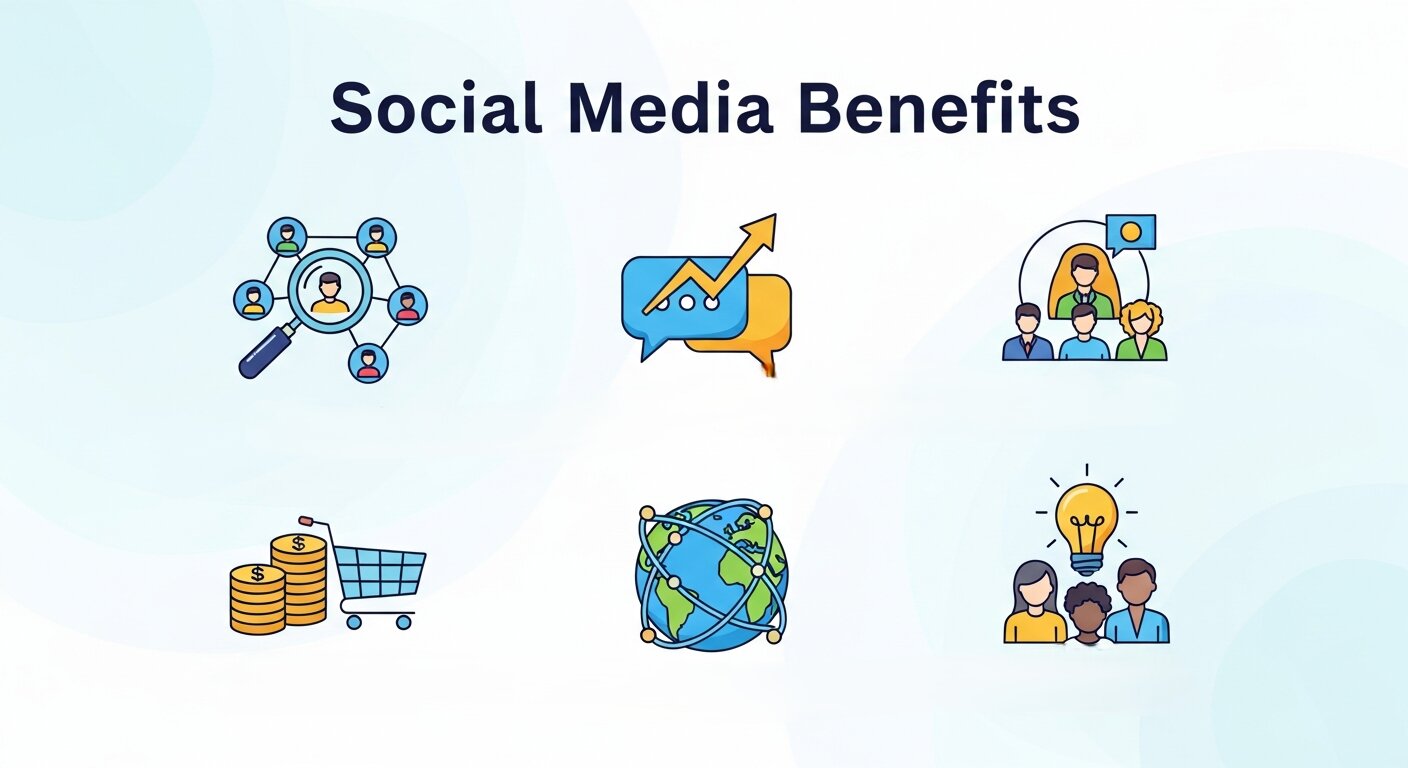
Understanding the social media benefits for education allows teachers, parents, and school districts to harness these tools effectively. Instead of fighting a losing battle against screen time, institutions can channel that attention toward meaningful academic growth. This guide explores the specific advantages of integrating modern networking platforms into academic environments and offers practical strategies for maximizing their value.
Redefining the Classroom Experience
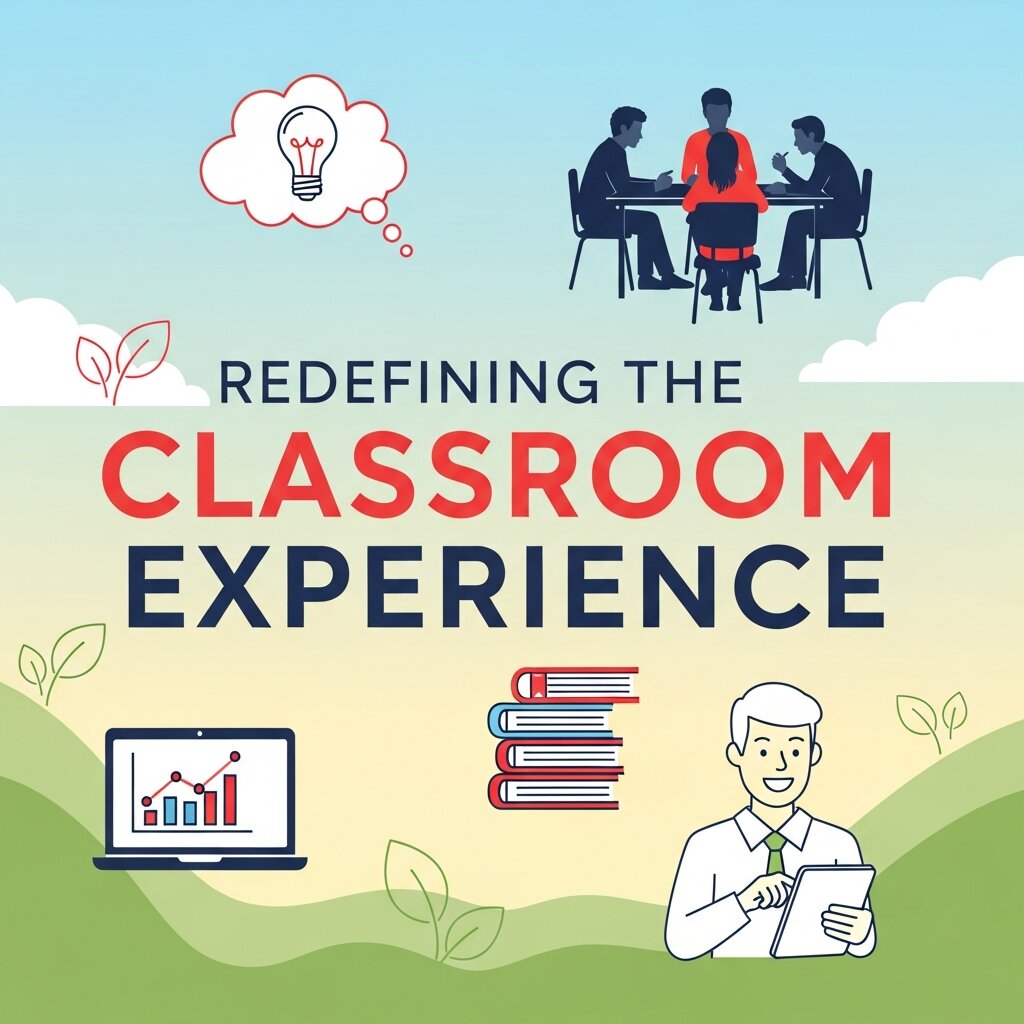 The traditional classroom model relies heavily on one-way communication. A teacher lectures, and students take notes. While this method has its place, modern academic environments thrive on dynamic interaction. Social platforms inherently encourage back-and-forth dialogue, making them an excellent supplement to traditional teaching methods.
Fostering Global Connections
Students are no longer limited to the perspectives of the people in their immediate geographic area. Through platforms like X (formerly Twitter) or dedicated educational networks, a high school class in New York can easily collaborate with a class in Tokyo. They can share cultural insights, practice foreign languages, and work on joint research projects.
This level of global connectivity builds empathy and cultural awareness. It allows learners to see how global events impact different communities in real time. By reading firsthand accounts and participating in international discussions, students gain a much richer understanding of geography, history, and social sciences than they could from a textbook alone.
Real-Time Communication and Collaboration
Group projects have historically been difficult to coordinate. Finding time to meet outside of school hours often leads to frustration. Social networks and messaging apps eliminate this barrier. Students can create dedicated groups for their assignments, share links, brainstorm ideas, and delegate tasks instantly.
This mirrors the collaborative environments they will eventually encounter in the modern workforce. Learning how to communicate effectively through digital channels, manage project timelines remotely, and resolve conflicts via text or video chat are crucial professional skills.
Practical Social Media Benefits for Education
Integrating these platforms into the curriculum does much more than simply make learning fun. It provides tangible structural advantages that improve the overall academic experience for both teachers and students.
Resource Sharing and Content Curation
The internet contains an overwhelming amount of information. Social networks act as massive curation engines. Teachers can use platforms like Pinterest to organize visual resources, historical photographs, or science experiments. They can create YouTube playlists featuring educational documentaries or math tutorials that directly align with the week’s lesson plan.
Students benefit immensely from this curated approach. Instead of sifting through millions of search engine results, they can access a focused stream of high-quality, relevant content. Furthermore, learners can begin curating their own digital portfolios. By sharing their artwork, essays, or coding projects on professional platforms like LinkedIn or specialized academic networks, they build a body of work that can aid in college admissions or future job searches.
Building Digital Literacy and Citizenship
Ignoring social platforms in schools leaves students to navigate complex digital environments entirely on their own. By bringing these tools into the academic sphere, educators have a unique opportunity to teach digital citizenship.
Students must learn how to evaluate the credibility of an online source. They need to understand the permanence of their digital footprint and the importance of respectful online communication. When a teacher integrates a platform into a lesson, they can actively model good behavior. They can demonstrate how to respectfully disagree with a viewpoint online, how to cite digital sources correctly, and how to protect personal privacy settings. These lessons in digital literacy are fundamental for long-term success in education and learning.
Engaging Visual and Interactive Learning
Different students absorb information in different ways. Some thrive on written text, while others are highly visual or auditory learners. Social platforms cater to these diverse learning styles perfectly.
Short-form video platforms can be used to explain complex scientific concepts through quick, engaging visual demonstrations. Infographics shared on Instagram can break down historical timelines or mathematical formulas into easily digestible images. By presenting information through varied, interactive mediums, educators can capture the attention of students who might otherwise struggle with traditional lecture formats.
Empowering Educators and Institutions
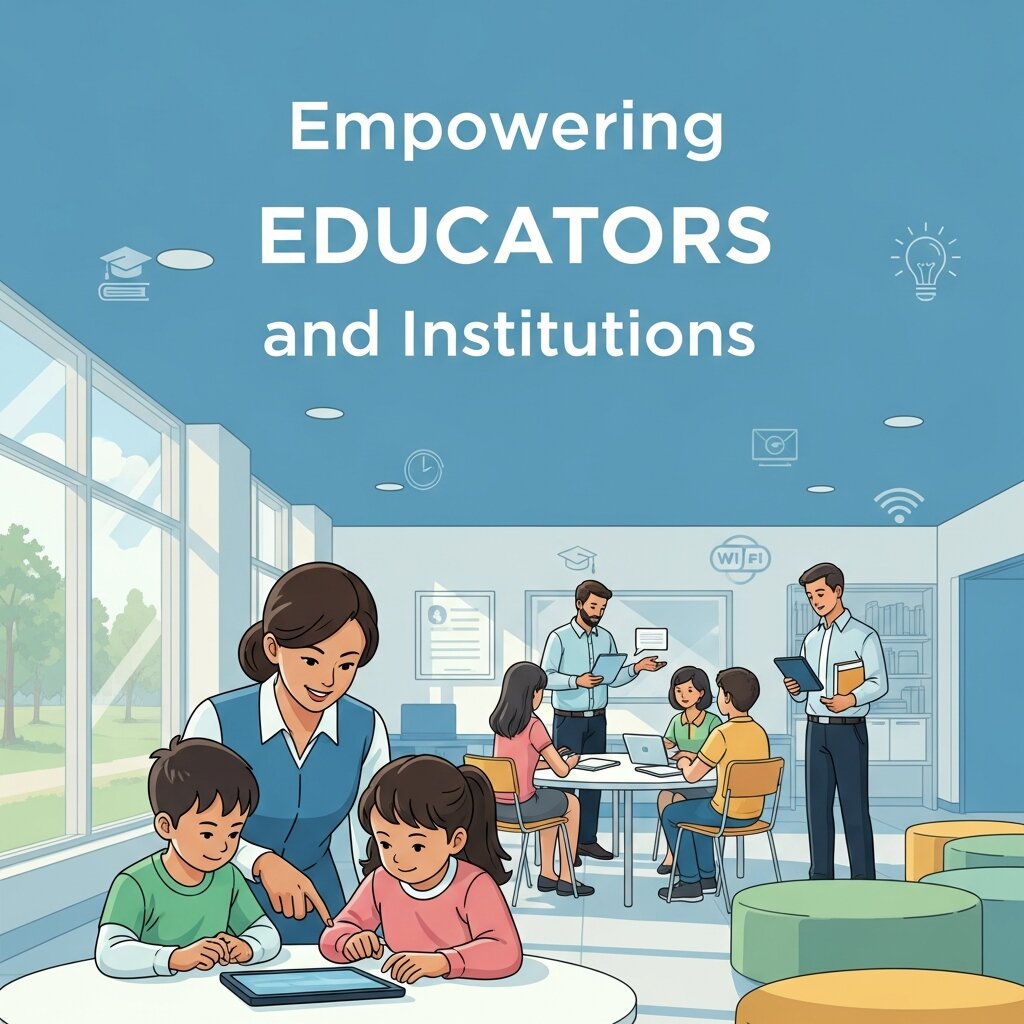 The advantages of digital connectivity extend well beyond the student body. Teachers, administrators, and the broader school community can also leverage these networks for significant structural improvements.
Professional Development Networks
Teaching can sometimes feel like an isolating profession. Social platforms break down those classroom walls, allowing educators to connect with peers globally. Teachers can join dedicated Facebook groups or participate in specific education-focused hashtags on X to share lesson plans, seek advice on classroom management, and stay updated on the latest pedagogical research.
This continuous, peer-led professional development keeps teaching strategies fresh. If a teacher is struggling to explain a specific algebraic concept, they can quickly ask a network of thousands of math educators for their best approaches. The collective knowledge of a global teaching community becomes instantly accessible.
Enhancing Parental Involvement
Keeping parents informed about classroom activities traditionally relied on weekly newsletters or parent-teacher conferences. Social networks offer a much more immediate window into the classroom.
Schools and individual teachers can maintain private, secure groups where they post daily updates, share photos of class projects, and announce upcoming deadlines. This transparency helps parents feel more connected to their child’s academic journey. When parents are actively engaged and aware of what is happening in the classroom, they are better equipped to support education and learning at home.
Overcoming Challenges to Maximize Education and Learning
While the benefits are clear, utilizing digital networks in an academic setting requires careful planning. Schools must address potential pitfalls to ensure a safe and productive environment.
Setting Clear Boundaries and Guidelines
The most critical step in adopting social platforms is establishing comprehensive usage policies. Schools need clear guidelines detailing acceptable behavior, privacy expectations, and consequences for misuse.
Teachers should separate their personal profiles from their professional ones, creating dedicated accounts strictly for classroom use. They must also ensure that any platform they utilize complies with student privacy laws and local educational regulations. By setting these boundaries early, institutions can mitigate risks like cyberbullying or inappropriate contact, keeping the focus entirely on academic enrichment.
Personalized Learning Through Social Media
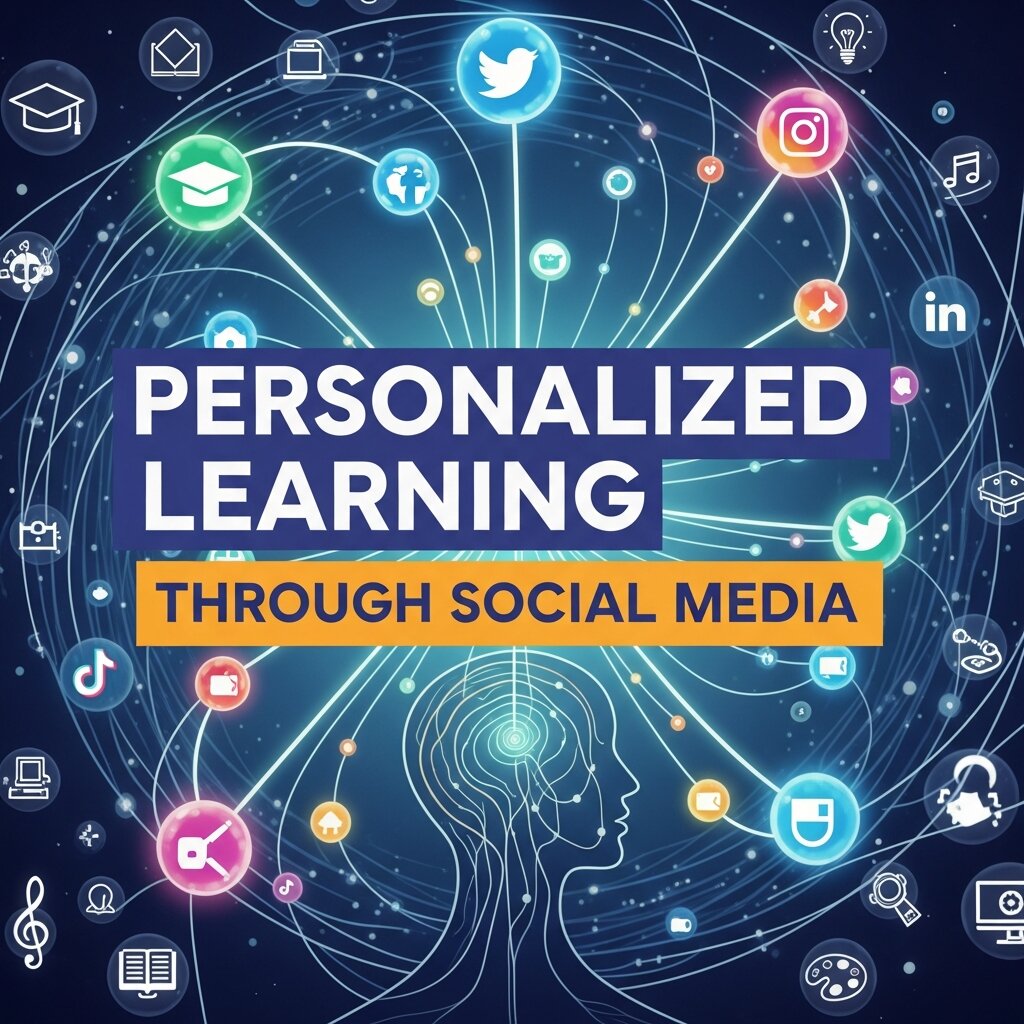 One of the strongest advantages of social media in education is its ability to support personalized learning. Every student learns at a different pace and has unique interests. Social platforms allow educators to share diverse content formats such as videos, articles, quizzes, and live sessions, giving students the freedom to choose what suits their learning style best. Students can revisit recorded lessons, follow subject-specific pages, or join niche communities that match their academic goals. This flexibility ensures that no learner feels left behind. Personalized learning also boosts confidence, as students can engage with materials at their own comfort level, ultimately leading to better understanding and long-term knowledge retention.
Encouraging Student Creativity and Expression
Social media platforms provide an open space where students can express their ideas creatively. Instead of submitting traditional assignments only, learners can create videos, digital art, blogs, or presentations to showcase their understanding of a topic. This approach makes learning more dynamic and enjoyable. Creative expression also helps students develop critical thinking and storytelling skills. When students share their work publicly or within a class group, they receive feedback that helps them improve. Encouraging creativity through social media transforms passive learners into active creators. It empowers students to take ownership of their education while building confidence in their abilities.
Access to Expert Knowledge and Industry Insights
Social media connects students directly with experts, educators, and professionals from around the world. Platforms allow learners to follow industry leaders, join educational discussions, and stay updated with the latest trends in various fields. This exposure bridges the gap between classroom learning and real-world applications. Students can attend live sessions, webinars, or Q&A discussions hosted by professionals, gaining insights that textbooks often cannot provide. Access to expert knowledge also helps students make informed career decisions. By engaging with real-world content and professionals, learners develop a clearer understanding of how their academic studies apply in practical environments.
Boosting Motivation and Participation
Motivation is a key factor in successful learning, and social media plays a significant role in increasing student participation. Gamified content, likes, comments, and shares create a sense of achievement and recognition. When students see their work appreciated by peers and teachers, they feel encouraged to engage more actively. Social platforms also introduce a level of excitement that traditional methods often lack. Interactive polls, quizzes, and challenges keep students involved and attentive. This continuous engagement helps maintain focus and reduces boredom. As a result, students become more motivated to complete tasks, participate in discussions, and stay consistent with their studies.
Supporting Lifelong Learning Habits
Education does not end in the classroom, and social media encourages continuous learning beyond school hours. Students can follow educational pages, join learning communities, and explore new topics independently. This habit of self-directed learning is essential in today’s fast-changing world. Social platforms provide constant access to updated information, tutorials, and discussions that keep learners informed. Over time, students develop curiosity and a habit of seeking knowledge regularly. This mindset prepares them for future academic and professional challenges. By integrating social media into education, institutions help students build lifelong learning habits that extend far beyond formal education systems.
Frequently Asked Questions (FAQ)
1. What are the main social media benefits for education?
Social media enhances education by improving communication, increasing student engagement, enabling collaboration, and providing access to a wide range of learning resources. It also helps students develop digital literacy and real-world communication skills.
2. Is social media really effective for learning?
Yes, when used properly, social media can be highly effective. It makes learning interactive, encourages participation, and allows students to explore topics beyond textbooks through videos, discussions, and real-time updates.
3. Which social media platforms are best for education?
Popular platforms include YouTube for tutorials, Pinterest for idea curation, X for discussions and current events, and Google Classroom for structured learning environments.
4. How does social media improve student engagement?
Social media uses interactive formats like videos, polls, and comments that capture students’ attention. It allows them to actively participate rather than passively listen, making lessons more enjoyable and memorable.
5. Can social media replace traditional teaching methods?
No, social media should complement—not replace—traditional teaching. It works best as a supportive tool that enhances lectures, assignments, and classroom discussions.
6. What are the risks of using social media in education?
Potential risks include distractions, cyberbullying, and privacy concerns. However, these can be managed through clear guidelines, monitoring, and proper digital education.
7. How can teachers ensure student safety on social media?
Teachers can use private groups, set strict rules, monitor activity, and educate students about online safety and responsible behavior. Parental involvement also plays a key role.
8. Does social media help with collaboration?
Yes, it allows students to work together easily by sharing ideas, files, and feedback in real time. Group chats and online communities make teamwork more efficient.
9. Can social media support different learning styles?
Absolutely. Visual learners benefit from videos and images, auditory learners from discussions and podcasts, and interactive learners from comments and live sessions.
10. How can schools start integrating social media into education?
Schools should begin with one platform, create clear policies, train teachers, and gradually introduce social media into lesson plans. Starting small helps ensure effective and safe implementation.
Taking the Next Step in Digital Education
Embracing the social media benefits for education requires a shift in mindset. It means moving away from viewing digital networks as inherent distractions and recognizing them as expansive, dynamic learning environments.
Begin by selecting one platform and integrating it into a single lesson plan. Monitor how students respond, gather their feedback, and adjust your approach accordingly. Talk to fellow educators about the tools they find most effective and collaborate on school-wide digital citizenship policies. By taking deliberate, thoughtful steps toward digital integration, you can create a more engaging, connected, and effective academic experience for every student.