Walk into almost any modern classroom and you’ll spot something that wasn’t there a generation ago: tablets, smartboards, learning apps, and students collaborating on shared digital documents. The chalkboard hasn’t disappeared entirely, but it now shares the stage with tools that would have seemed like science fiction a few decades back.
This shift isn’t just about flashy gadgets. Educational technology is reshaping how students learn, how teachers teach, and how schools measure progress. When used thoughtfully, these tools can close learning gaps, personalize instruction, and prepare students for a workforce that increasingly demands digital fluency.
In this post, we’ll explore the real impact of educational technology on student success—from the elementary level all the way through higher education. You’ll learn how mobile learning apps, AI in education, and data-driven tools are changing outcomes, plus what schools should keep in mind to use these resources well.
What Is Educational Technology?
Educational technology, often shortened to “edtech,” refers to the tools, software, and digital systems used to support and enhance learning. This covers a wide range of resources, including:
- Learning management systems (LMS) like Canvas and Google Classroom
- Interactive whiteboards and projectors for collaborative lessons
- Mobile learning apps that let students study on their phones
- Adaptive learning platforms that adjust to each student’s pace
- AI-powered tutoring and feedback tools
The goal of educational technology isn’t to replace teachers. It’s to give them better tools to reach every student—and to give students more ways to engage with what they’re learning.
How Educational Technology Improves Student Engagement
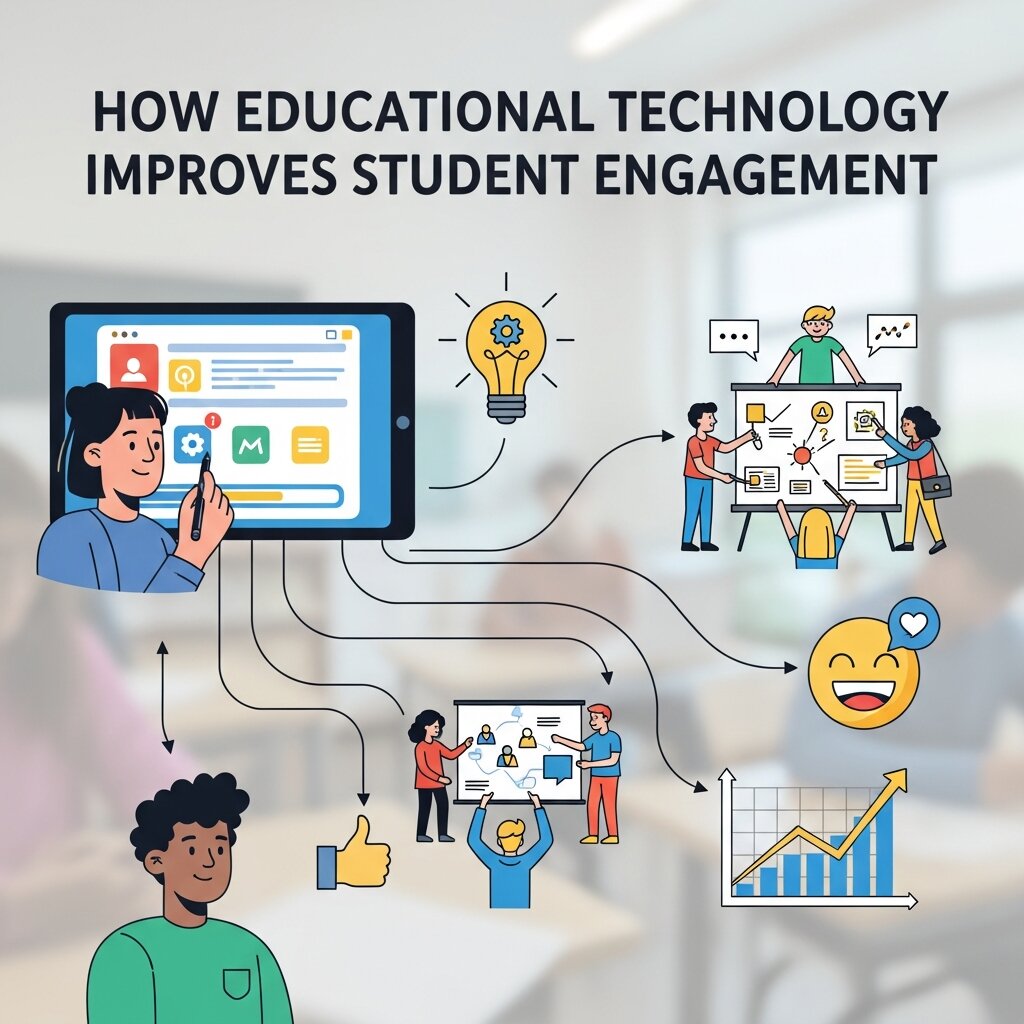 Engagement is often the first hurdle in any classroom. A student who’s bored or distracted rarely retains much. This is where educational technology shines.
Interactive lessons, gamified quizzes, and multimedia content tap into the way students naturally process information today. Instead of reading a flat textbook passage about the solar system, a student can explore a 3D model of the planets, watch a short video, and test their knowledge with an instant-feedback quiz.
Making Learning Active, Not Passive
Traditional lectures put students in a passive role. They listen, they take notes, and they hope it sticks. Educational technology flips this dynamic by encouraging active participation.
Tools like Kahoot! and Quizlet turn review sessions into friendly competitions. Discussion boards let quieter students share ideas they might never voice out loud. Simulation software lets science students run experiments that would be too expensive or dangerous to perform in a real lab. Each of these approaches asks students to do something rather than simply absorb information.
The Rise of Mobile Learning Apps
Smartphones are everywhere, and students are no exception. Rather than fighting this reality, many educators now use it to their advantage through mobile learning apps.
These apps let students learn anywhere—on the bus, during a lunch break, or at home before bed. Language apps like Duolingo, math tools like Photomath, and study platforms like Anki put learning resources directly in students’ pockets.
The benefits go beyond convenience. Mobile learning apps often use spaced repetition and bite-sized lessons, both of which research has linked to stronger memory retention. A student who reviews vocabulary for ten minutes a day on an app may remember more than one who crams for an hour the night before a test.
Flexibility for Different Lifestyles
Mobile learning apps are especially valuable for students who juggle competing demands. A working parent returning to school, a teenager balancing sports and academics, or a commuter with a long train ride can all fit learning into the gaps in their day. This flexibility makes education more accessible to people who might otherwise struggle to keep up.
AI in Education: Personalized Learning at Scale
Few developments have generated as much excitement—and debate—as AI in education. Artificial intelligence offers something teachers have always wanted but rarely had time for: truly personalized instruction for every student.
How AI Tailors Learning to Each Student
Every student learns differently. Some grasp fractions quickly but stumble on word problems. Others read above grade level but need extra help with writing structure. In a classroom of 30 students, a single teacher can’t always identify and address each individual need in real time.
AI-powered platforms can. Adaptive learning systems analyze how a student answers questions, then adjust the difficulty and focus accordingly. If a student keeps missing a certain type of problem, the system serves up more practice in that area. If they’re breezing through, it moves them ahead to keep them challenged.
AI as a Teacher’s Assistant
AI in education doesn’t only help students—it lightens the load for educators too. Automated grading tools can handle multiple-choice and short-answer questions, freeing teachers to focus on more meaningful feedback. AI chatbots can answer common student questions outside of class hours. Some tools even flag students who may be falling behind, giving teachers a chance to step in before small struggles become big problems.
That said, AI in education works best as a complement to human teaching, not a substitute. The empathy, encouragement, and judgment a good teacher brings can’t be coded into an algorithm.
Educational Technology in Higher Education
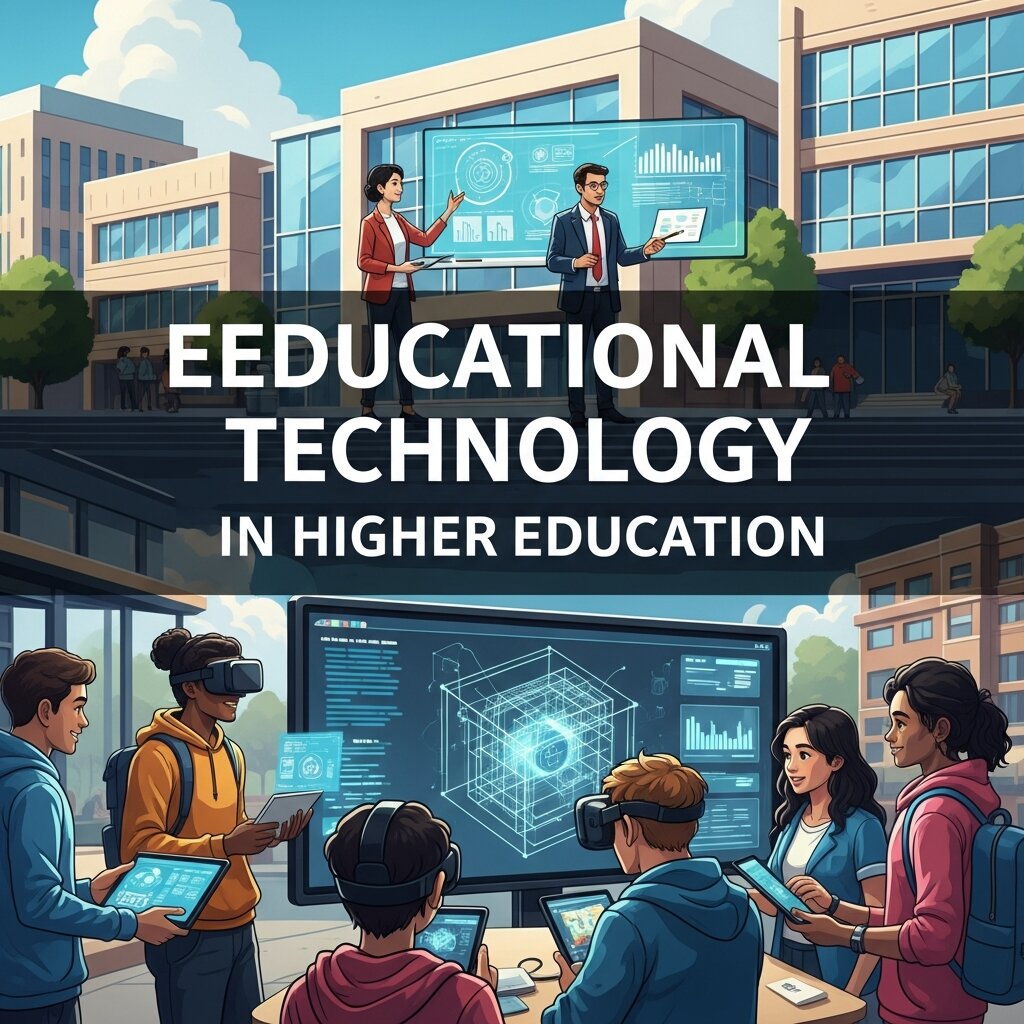 The impact of educational technology extends well beyond K-12 schools. In higher education, these tools have transformed how universities deliver instruction and support to students.
Online and hybrid courses have made degrees accessible to people who could never attend a traditional campus. A nurse working full-time can earn a master’s degree on weekends. A student in a rural area can take courses from a university hundreds of miles away. This expansion of access is one of the most significant contributions of educational technology to higher education.
Data-Driven Student Support
Universities now use educational technology to track student progress and intervene when needed. Learning analytics platforms can spot warning signs—missed assignments, low quiz scores, or declining log-in activity—and alert advisors to reach out.
Georgia State University offers a well-known example. By using predictive analytics to identify struggling students and connect them with support, the university significantly improved its graduation rates and narrowed achievement gaps among different student groups. This kind of early intervention can mean the difference between a student dropping out and a student walking across the graduation stage.
Collaborative Tools for Modern Learning
Group projects no longer require everyone to be in the same room. Cloud-based tools like Google Workspace and Microsoft 365 let students collaborate on documents, presentations, and spreadsheets from anywhere. Video conferencing platforms connect study groups across time zones. These tools mirror the way modern workplaces operate, giving students practical skills they’ll carry into their careers.
The Challenges Schools Must Address
Educational technology offers real benefits, but it isn’t a magic fix. Schools that rush to adopt new tools without a clear plan often see disappointing results.
The Digital Divide
Not every student has reliable internet or a personal device at home. When schools assign tech-heavy homework, students without these resources fall behind through no fault of their own. Closing this digital divide requires investment in devices, connectivity, and support for families who need it.
Screen Time and Balance
More screens aren’t always better. Too much screen time can hurt attention spans and reduce face-to-face interaction. The best approach blends digital tools with hands-on activities, group discussion, and old-fashioned reading. Technology should enhance learning, not dominate it.
Training and Support for Teachers
A powerful tool is useless if no one knows how to use it. Teachers need proper training and ongoing support to integrate educational technology effectively. Schools that invest in professional development see far better results than those that simply hand out devices and hope for the best.
How to Use Educational Technology Effectively
Getting the most out of educational technology comes down to a few guiding principles:
- Start with learning goals, not gadgets: Choose tools that serve clear educational objectives rather than adopting technology for its own sake.
- Prioritize equity: Make sure every student has access to the tools and connectivity they need.
- Blend digital and traditional methods: The strongest classrooms mix screens with discussion, hands-on work, and human connection.
- Invest in teacher training: Give educators the skills and support to use new tools well.
- Measure what works: Use data to evaluate whether a tool is actually improving outcomes, and be willing to change course if it isn’t.
When these principles guide implementation, educational technology becomes a genuine driver of student success rather than an expensive distraction.
Gamification in Education
 Gamification in education refers to the use of game-like elements—such as points, levels, badges, leaderboards, and challenges—to make learning more engaging and motivating for students. Instead of relying only on traditional assignments and exams, teachers can turn lessons into interactive experiences where students feel a sense of progress and achievement. This approach works especially well for subjects that students often find difficult or repetitive, such as mathematics, language learning, or science revision.
Gamified platforms encourage healthy competition while also rewarding consistency and effort, not just correct answers. More importantly, it helps students stay focused for longer periods because the learning process feels less like a task and more like an activity they want to complete. When applied thoughtfully, gamification can improve participation, boost retention, and create a more positive attitude toward learning without replacing core academic goals.
Cybersecurity and Digital Safety in Educational Technology
As educational technology becomes more integrated into classrooms, cybersecurity and digital safety have become critical concerns for schools, teachers, and students. With increased use of online platforms, cloud storage, and AI-powered tools, sensitive data such as student records, assignments, and personal information is often stored digitally. This creates risks related to hacking, data breaches, and unauthorized access.
Schools must ensure strong security measures, including secure login systems, encrypted platforms, and regular software updates. Equally important is educating students about safe online behavior, such as using strong passwords, recognizing phishing attempts, and protecting their personal information. Teachers also need training to handle digital tools responsibly and securely. When cybersecurity is prioritized alongside innovation, educational technology becomes not only effective but also safe, ensuring a trusted digital learning environment for everyone involved.
Frequently Asked Questions (FAQs)
1. What is educational technology?
Educational technology refers to digital tools, software, and platforms that enhance teaching and learning. It includes learning management systems, mobile learning apps, AI-powered educational tools, interactive whiteboards, and online collaboration platforms that improve the learning experience.
2. How does educational technology improve student learning?
Educational technology increases engagement through interactive lessons, personalized learning paths, instant feedback, and multimedia resources. It also allows students to learn at their own pace while giving teachers valuable insights into student progress.
3. What are the benefits of using mobile learning apps?
Mobile learning apps let students access educational content anytime and anywhere. They support flexible learning, improve knowledge retention with bite-sized lessons, and make studying more convenient for students with busy schedules.
4. How is AI transforming education?
AI helps personalize learning by adapting lessons to each student’s strengths and weaknesses. It can automate grading, provide instant feedback, recommend learning resources, and help teachers identify students who need additional support.
5. Can educational technology replace teachers?
No. Educational technology is designed to support teachers, not replace them. While digital tools can automate routine tasks and personalize learning, teachers remain essential for providing guidance, motivation, critical thinking, and emotional support.
6. What challenges come with implementing educational technology?
Common challenges include unequal access to devices and the internet, excessive screen time, cybersecurity concerns, and the need for proper teacher training. Schools must address these issues to maximize the benefits of educational technology.
7. How does educational technology benefit higher education?
In higher education, educational technology supports online and hybrid learning, improves collaboration, tracks student performance through analytics, and provides flexible learning opportunities for working professionals and remote students.
8. Why is teacher training important for educational technology?
Teachers need proper training to use educational tools effectively. Professional development helps educators integrate technology into lessons, improve student engagement, and maximize the value of digital learning resources.
9. How can schools successfully implement educational technology?
Schools should begin with clear learning objectives, select tools that support those goals, ensure equal access for all students, provide ongoing teacher training, and regularly evaluate the effectiveness of the technology being used.
10. What is the future of educational technology?
The future of educational technology includes greater use of artificial intelligence, virtual and augmented reality, adaptive learning platforms, learning analytics, and immersive digital experiences that make education more personalized, engaging, and accessible for learners worldwide.
Building a Smarter Future for Learners
Educational technology has already changed the way millions of students learn—and its influence will only grow. From mobile learning apps that fit study time into a busy day, to AI in education that personalizes instruction, to data tools that help higher education institutions keep students on track, these resources hold enormous potential.
The key is thoughtful use. Technology alone doesn’t guarantee success; how schools, teachers, and students put it to work makes all the difference. By focusing on clear goals, equal access, and strong support for educators, schools can harness these tools to help every student reach their full potential.