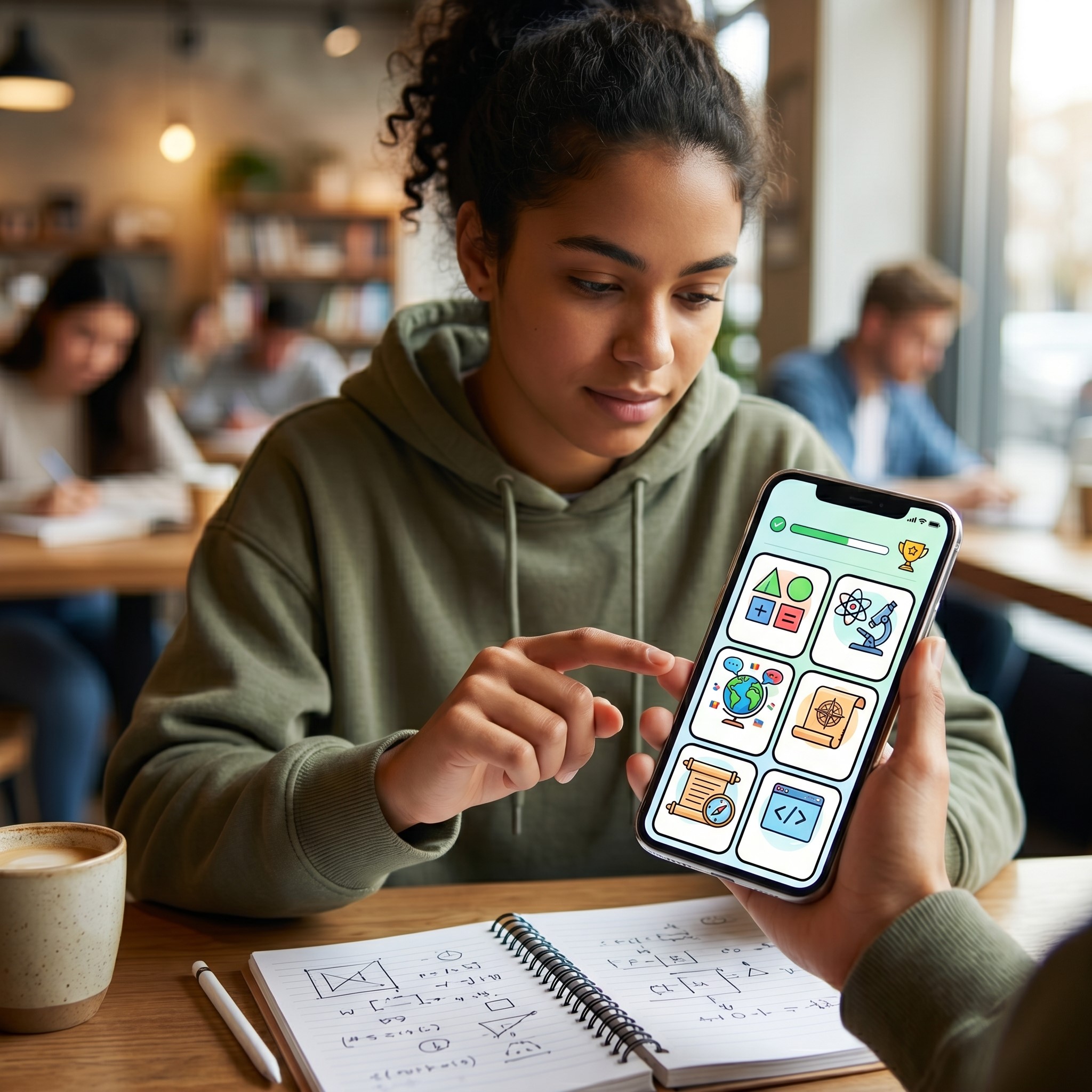
Education used to be confined to physical classrooms, heavy textbooks, and rigid schedules. Students had to be at a specific place at a specific time to absorb information from a lecturer. That strict model is rapidly shifting. Smartphones and tablets have turned almost any environment into a potential study space. People can now acquire new skills on the subway, review flashcards during a lunch break, and attend virtual lectures from the comfort of their living rooms.
The catalyst for this massive shift is the widespread adoption of mobile learning apps. These platforms have dismantled traditional barriers to entry, making high-quality instruction accessible to a global audience. They offer interactive modules, immediate feedback, and a highly customized pacing system that caters to individual learning styles. This approach keeps users engaged and motivated, fundamentally changing how we view the acquisition of knowledge.
Understanding this transition is essential for educators, students, and lifelong learners. This post will explore the mechanics behind these digital platforms, examine the integration of emerging technologies, and highlight the practical benefits they bring to modern education. You will learn exactly how pocket-sized technology is reshaping the academic landscape and how you can leverage these tools to enhance your own educational journey.
The Rise of Digital Classrooms
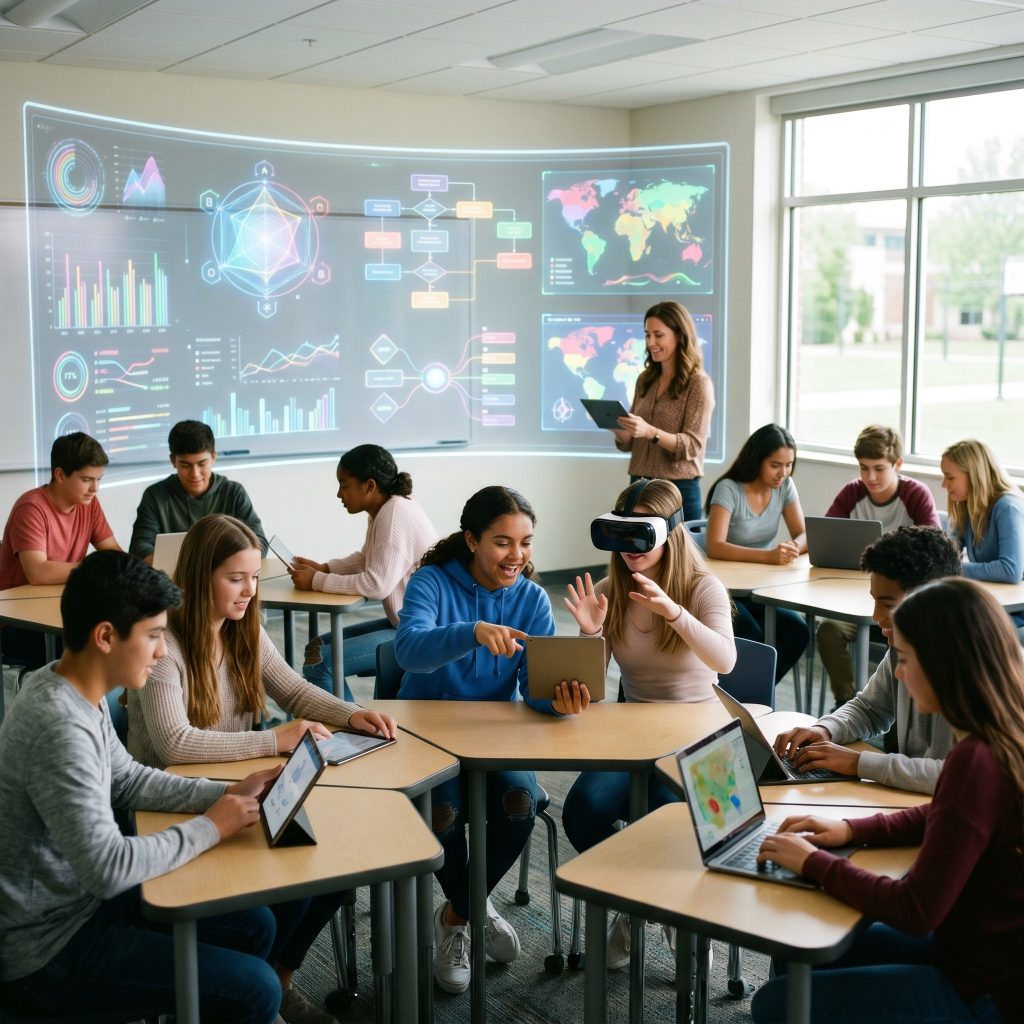 For decades, the standard educational model remained largely unchanged. A teacher stood at the front of a room, delivering a standardized curriculum to a diverse group of students. While this method built the foundation of modern schooling, it struggled to accommodate different learning speeds and individual interests.
Breaking Down Geographic Barriers
One of the most significant changes introduced by mobile learning apps is the elimination of geographical boundaries. A student living in a remote village can now access the exact same coding curriculum as a student living in a major technological hub. This unprecedented level of access democratizes education. Anyone with a smartphone and an internet connection can tap into a vast reservoir of knowledge, spanning from basic literacy to advanced quantum physics.
From Textbooks to Interactive Screens
Physical textbooks are static. They cannot update themselves when new discoveries are made, nor can they respond when a student misunderstands a concept. Mobile platforms solve this problem by offering dynamic, interactive content. Users can manipulate 3D models of the human heart, watch historical documentaries integrated directly into their reading assignments, and complete quizzes that instantly highlight areas needing improvement. This interactivity transforms passive reading into active participation.
Key Benefits of Mobile Learning Apps
The shift toward smartphone-based study tools brings a multitude of advantages that traditional schooling often struggles to provide. These benefits extend beyond simple convenience, touching on the core psychology of how humans retain information.
Personalized Pacing for Every Student
In a standard classroom, the teacher must set a pace that caters to the average student. This leaves advanced learners feeling bored and struggling students feeling left behind. Digital applications adapt to the user. If you breeze through a math module, the app immediately presents more challenging equations. If you stumble on a grammar rule, the system provides additional exercises to reinforce the concept before moving forward.
Bridging the Gap with Non Formal Education
Not all learning happens within the walls of a registered school or university. Much of our most valuable knowledge comes from non formal education. Mobile learning apps excel in this space, providing structured yet flexible courses for hobbies, professional development, and personal enrichment. People are using these platforms to learn guitar, master digital marketing, or understand basic accounting without enrolling in a formal degree program. This flexibility encourages lifelong learning and helps individuals adapt to a rapidly changing job market.
The Integration of Advanced Technologies
 The software powering these educational platforms is becoming increasingly sophisticated. Developers are actively integrating cutting-edge technology to make studying more intuitive, engaging, and effective.
The Impact of AI in Education
Artificial intelligence is completely redefining the digital study experience. AI in Education allows applications to function as personalized tutors. Algorithms track a user’s performance, identify precise knowledge gaps, and dynamically generate custom lesson plans to address those weaknesses. Furthermore, natural language processing enables conversational interfaces where students can ask complex questions and receive immediate, easy-to-understand explanations. This level of customized guidance was previously only available to those who could afford private tutoring.
Leveraging Social Media for Education
Social networks are often viewed as a distraction, but they are increasingly being repurposed as powerful study tools. Developers are incorporating Social Media for Education by building community features directly into their platforms. Students can join study groups, share achievements, and collaborate on projects with peers from around the world. These social features create a sense of accountability and friendly competition, which significantly boosts motivation and long-term retention.
Real-World Applications and Success Stories
The theoretical benefits of these platforms are impressive, but their real-world application proves their true value. Different demographics are finding unique ways to implement these tools into their daily routines.
Language Acquisition on the Go
Learning a new language requires consistent, daily practice. Traditional weekly classes often fail to provide the necessary immersion. Mobile applications use gamification to encourage daily interaction. Users earn points, unlock new levels, and maintain streaks by spending just ten minutes a day translating sentences and practicing pronunciation. This micro-learning approach results in higher retention rates and faster fluency compared to cramming for hours once a week.
Skill Development for Professionals
The modern workforce requires constant upskilling. Professionals rarely have the time to take a semester off to learn a new software program or management methodology. Micro-courses and certification programs delivered via mobile applications allow workers to improve their resumes during their daily commute. Companies are even partnering with these platforms to provide ongoing training for their employees, ensuring their workforce remains competitive.
Overcoming Challenges in Digital Learning
 While the advantages are clear, this technological shift is not without its hurdles. Developers and educators must actively address several challenges to ensure these tools remain effective and accessible.
Screen Time and Distractions
Smartphones are inherently distracting devices. A notification from a messaging app can easily derail a study session. App developers are combating this by designing immersive, full-screen experiences that require constant physical interaction, keeping the user’s attention focused on the material. Additionally, educators recommend setting strict study schedules and utilizing “do not disturb” features to minimize interruptions.
Ensuring Equitable Access
While these platforms democratize access for many, they also highlight the digital divide. Students without reliable internet access or up-to-date hardware risk being left behind. Governments and non-profit organizations are working to provide subsidized devices and expand broadband infrastructure to ensure that the benefits of digital learning reach underserved communities.
Mobile Learning Apps and Gamification
Gamification has become one of the most powerful features driving the success of mobile learning apps. Instead of relying solely on traditional teaching methods, these platforms incorporate game-like elements such as points, badges, leaderboards, rewards, and daily challenges. These features create a sense of achievement and motivate users to continue learning consistently. Many apps also use progress bars and learning streaks to encourage regular engagement and reduce the likelihood of users abandoning their studies. Gamification transforms education into an enjoyable and interactive experience rather than a repetitive task. By making lessons more entertaining and rewarding, mobile learning apps increase participation, improve knowledge retention, and help learners stay committed to achieving their educational goals over the long term.
Mobile Learning Apps for Corporate Training
Organizations around the world are increasingly using mobile learning apps to deliver employee training and professional development programs. Traditional training methods often require employees to attend workshops or seminars, which can be time-consuming and expensive. Mobile learning provides a more flexible alternative by allowing workers to access training materials whenever and wherever it is convenient. Employees can complete lessons during breaks, while traveling, or outside regular work hours. These applications are commonly used for onboarding new hires, compliance training, leadership development, and technical skill enhancement. Managers can monitor progress through analytics dashboards and ensure training objectives are being met. As remote and hybrid work environments continue to expand, mobile learning solutions are becoming essential tools for workforce development.
The Role of Microlearning in Mobile Education
Microlearning is a teaching strategy that delivers educational content in small, focused segments that are easy to consume and remember. Mobile learning apps have embraced this approach because it aligns perfectly with modern lifestyles and shorter attention spans. Rather than requiring learners to sit through lengthy lectures, microlearning breaks complex topics into brief lessons that can be completed in just a few minutes. This format makes learning more manageable and less overwhelming. Short videos, quizzes, flashcards, and interactive exercises help reinforce key concepts while improving retention. Learners can fit educational activities into their daily schedules without major disruptions. As a result, microlearning increases engagement, supports continuous learning habits, and helps users absorb information more effectively.
Mobile Learning Analytics and Progress Tracking
One of the most valuable advantages of mobile learning apps is their ability to collect and analyze learning data. These platforms provide detailed insights into user performance, including lesson completion rates, quiz scores, study duration, and overall progress. Learners can easily identify areas where they excel and topics that require additional attention. Educators and trainers also benefit from access to real-time performance data, allowing them to adjust learning materials and provide targeted support. Advanced analytics systems can even recommend personalized learning paths based on individual strengths and weaknesses. This data-driven approach ensures a more efficient learning experience and helps users stay motivated by visualizing their progress. Ultimately, analytics contribute to improved learning outcomes and better educational decision-making.
Emerging Trends Shaping the Future of Mobile Learning
Mobile learning technology continues to evolve rapidly, introducing innovative tools that enhance the educational experience. Artificial intelligence is making learning platforms smarter by providing personalized recommendations and adaptive lesson plans. Augmented reality and virtual reality are creating immersive environments where learners can explore concepts through hands-on experiences. Voice-enabled assistants are making educational content more accessible, while cloud-based technologies allow users to sync progress across multiple devices. Blockchain is also being explored as a secure method for storing educational credentials and certifications. These advancements are transforming how knowledge is delivered and consumed. As technology continues to improve, mobile learning apps will become even more interactive, personalized, and effective, helping learners develop skills faster and achieve better educational outcomes.
Frequently Asked Questions (FAQs)
1. What are mobile learning apps?
Mobile learning apps are educational applications designed for smartphones and tablets that allow users to access lessons, courses, quizzes, and training materials anytime and anywhere. They support flexible and self-paced learning experiences.
2. How do mobile learning apps improve education?
Mobile learning apps make education more accessible, interactive, and personalized. They provide instant feedback, adaptive learning paths, multimedia content, and the flexibility to study outside traditional classroom settings.
3. Are mobile learning apps effective for students?
Yes. Many studies have shown that mobile learning apps can improve engagement, knowledge retention, and learning outcomes. Features such as gamification, personalized lessons, and interactive exercises help students stay motivated and focused.
4. Can mobile learning apps support non-formal education?
Absolutely. Mobile learning apps are widely used for non-formal education, including professional development, language learning, creative skills, personal finance, coding, and other self-improvement topics outside traditional academic programs.
5. How is artificial intelligence used in mobile learning apps?
AI helps personalize the learning experience by analyzing user performance, identifying knowledge gaps, recommending relevant content, and adapting lesson difficulty to match individual learning needs.
6. What are the benefits of mobile learning compared to traditional learning?
Mobile learning offers greater flexibility, personalized pacing, on-demand access to educational content, lower costs, and the ability to learn from virtually any location with an internet connection.
7. Can mobile learning apps be used offline?
Many mobile learning apps include offline functionality, allowing users to download lessons, videos, or study materials and continue learning without an active internet connection.
8. How do social features enhance mobile learning?
Social features such as discussion forums, study groups, peer collaboration, and achievement sharing help learners stay motivated, exchange knowledge, and build supportive learning communities.
9. What types of subjects can be learned through mobile learning apps?
Mobile learning apps cover a wide range of subjects, including mathematics, science, languages, business, technology, coding, arts, personal development, and professional certifications.
10. What is the future of mobile learning apps?
The future of mobile learning includes advanced AI tutoring, augmented reality experiences, adaptive learning systems, voice-based assistance, and deeper integration with educational institutions and workplace training programs. These innovations will make learning even more personalized and accessible.
Embracing the Future of Pocket-Sized Learning
The transition from physical classrooms to digital ecosystems is well underway. Mobile learning apps provide unprecedented flexibility, advanced personalization, and immediate access to a world of information. By integrating artificial intelligence, fostering community through social features, and supporting both formal and non formal education, these tools are fundamentally improving how we study.
As technology continues to advance, we can expect these platforms to become even more immersive and intuitive. Take the time to explore the applications available in your specific field of interest. Download a few highly-rated platforms, set a daily study goal, and experience the benefits of pocket-sized learning for yourself.