Think back to a moment when you solved a tricky problem—maybe at work, maybe in a heated debate, maybe while figuring out a budget that just wouldn’t balance. Chances are, the skills you used didn’t appear out of nowhere. They were shaped, sharpened, and tested through years of academic learning.
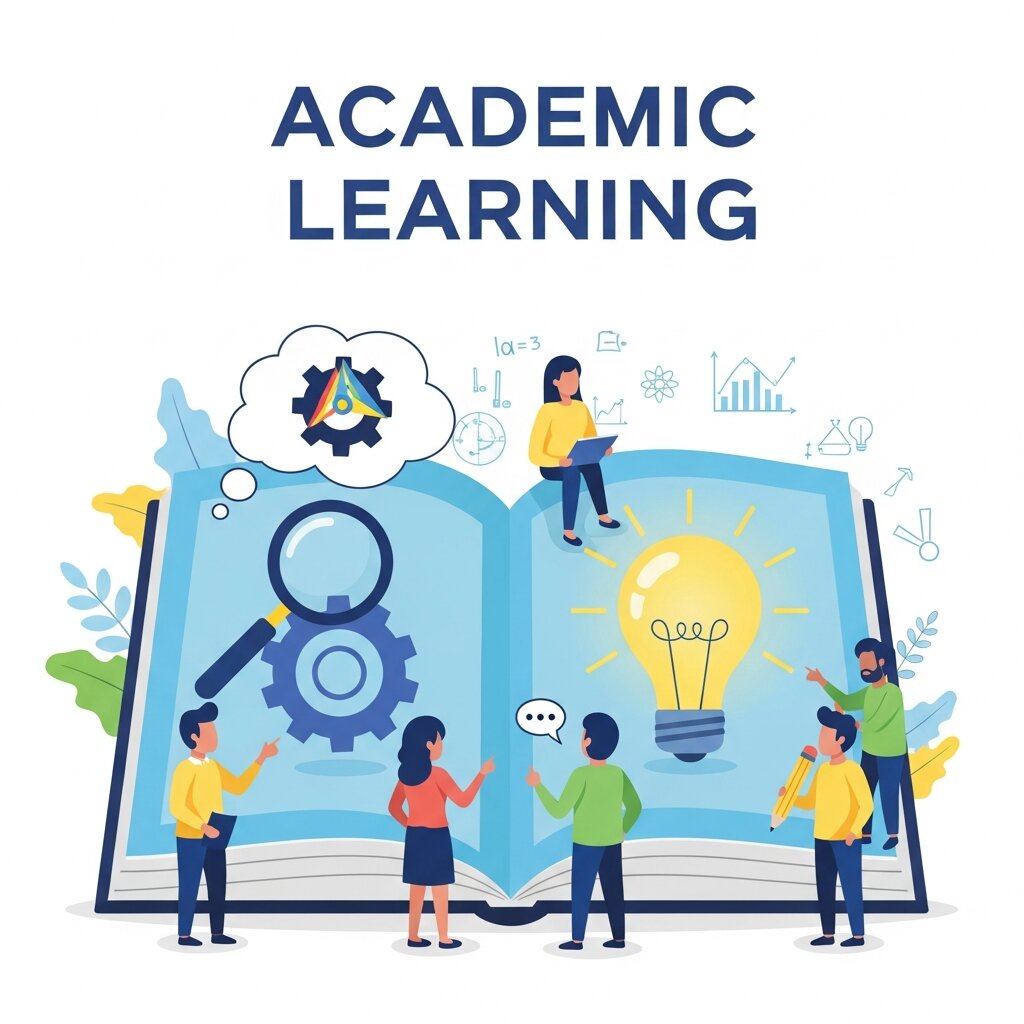
Academic learning does far more than fill your head with facts and formulas. It trains your brain to question, analyze, and connect ideas in ways that pay off long after graduation day. The essays you wrote, the experiments you ran, the arguments you defended—each one built mental muscles you still use today.
In this post, we’ll explore how academic learning develops critical thinking, why those skills matter throughout your life, and how modern tools like AI in education and mobile learning apps are reshaping the way we learn. By the end, you’ll see your education not as a checklist of completed courses, but as the foundation for a lifetime of smarter decisions.
What Is Academic Learning, Really?
Academic learning is the structured pursuit of knowledge through formal education—schools, colleges, universities, and the disciplines they teach. It covers everything from mathematics and literature to science, history, and the arts.
But academic learning isn’t only about memorizing dates or solving equations. At its core, it’s about teaching people how to think, not just what to think. When a student writes a research paper, they learn to gather evidence, evaluate sources, and build a logical argument. When they tackle a chemistry problem, they learn to follow a process and test their assumptions.
This distinction matters. A person can know thousands of facts and still struggle to make sense of a confusing situation. Academic learning bridges that gap by training the mind to process information thoughtfully and draw reasoned conclusions.
The Direct Link Between Academic Learning and Critical Thinking
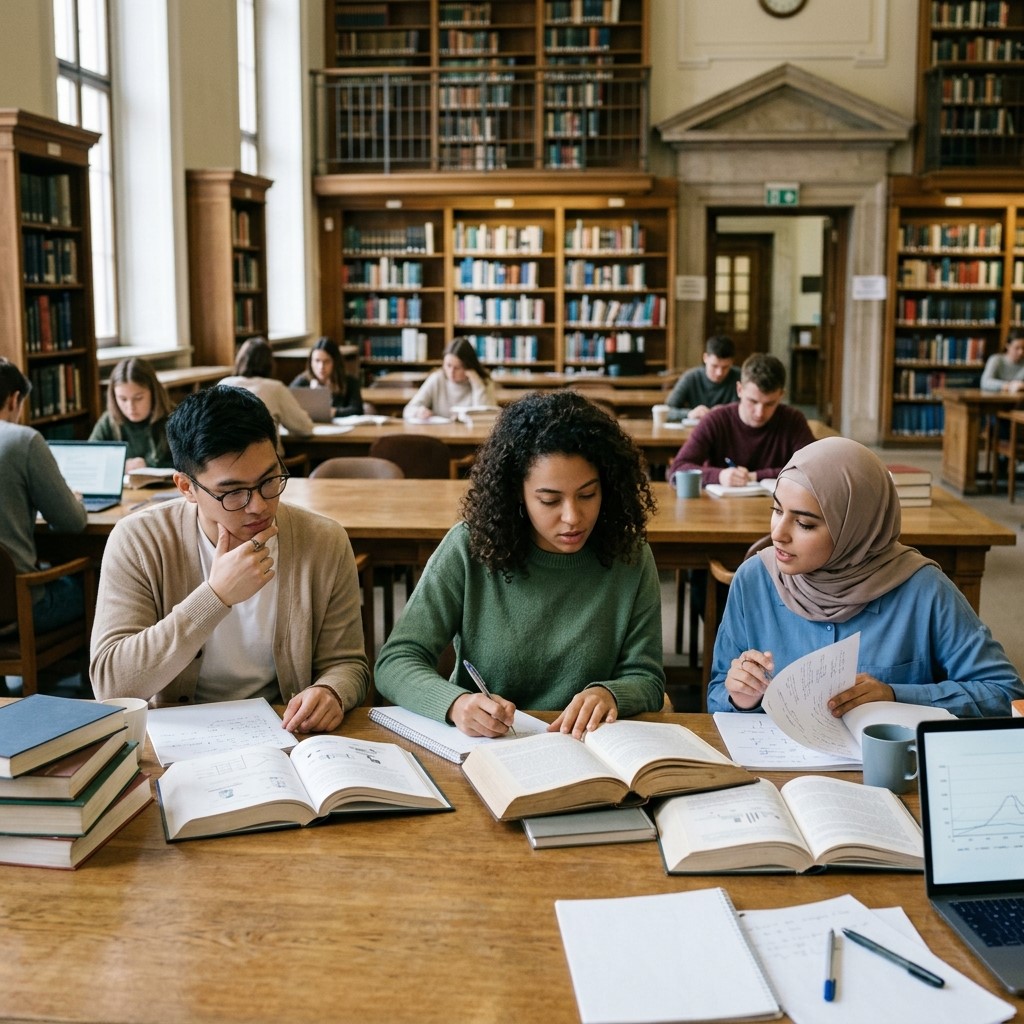 Critical thinking is the ability to analyze information objectively and make a reasoned judgment. It’s one of the most valuable skills a person can develop—and academic learning is one of the best ways to build it.
Learning to Ask Better Questions
Good academic environments reward curiosity. Teachers push students to ask “why” and “how” instead of accepting answers at face value. A history class, for example, doesn’t just ask you to remember that a war happened. It asks you to consider its causes, its consequences, and the perspectives of everyone involved.
This habit of questioning sticks with you. Years later, when a colleague proposes a flawed plan or an advertisement makes a bold claim, you instinctively dig deeper before accepting it.
Evaluating Evidence and Spotting Bias
Writing a strong essay means sorting reliable sources from unreliable ones. Running a science experiment means recognizing when your data supports a conclusion—and when it doesn’t. These are the building blocks of evidence-based thinking.
In a time when misinformation spreads quickly online, the ability to assess sources is priceless. Academic learning teaches you to pause, check the facts, and resist jumping to conclusions.
Connecting Ideas Across Subjects
Some of the best thinking happens when you link ideas from different fields. A student who studies both economics and psychology might better understand why people make irrational financial choices. Academic learning encourages this kind of cross-pollination, helping you see the bigger picture rather than isolated pieces.
How Critical Thinking Drives Lifelong Success
The benefits of academic learning don’t end when you receive your diploma. The critical thinking skills it builds quietly shape your career, your relationships, and your everyday decisions.
Stronger Career Performance
Employers consistently rank critical thinking among the most sought-after skills. Workers who can analyze problems, weigh options, and adapt to change tend to advance faster than those who simply follow instructions.
Consider a marketing manager deciding whether to launch a new campaign. The ability to interpret data, anticipate risks, and justify a recommendation comes straight from the analytical habits formed during academic learning. These skills help professionals stand out in nearly every industry.
Smarter Personal Decisions
Critical thinking isn’t only useful at work. It helps you compare insurance plans, evaluate news stories, plan a family budget, and make health choices based on solid evidence rather than fear or hype.
People who think critically are also less likely to fall for scams or manipulation. They ask questions, look for proof, and trust their reasoning—skills first practiced in the classroom.
Adaptability in a Changing World
Industries evolve, technologies shift, and the jobs of tomorrow may not exist yet. The one constant is the need to keep learning. Academic learning instills a mindset of curiosity and problem-solving that makes adapting to change far less intimidating.
People with strong critical thinking skills don’t panic when faced with something new. Instead, they break the problem into parts, research their options, and find a path forward.
The Role of Higher Education in Deepening Critical Thinking
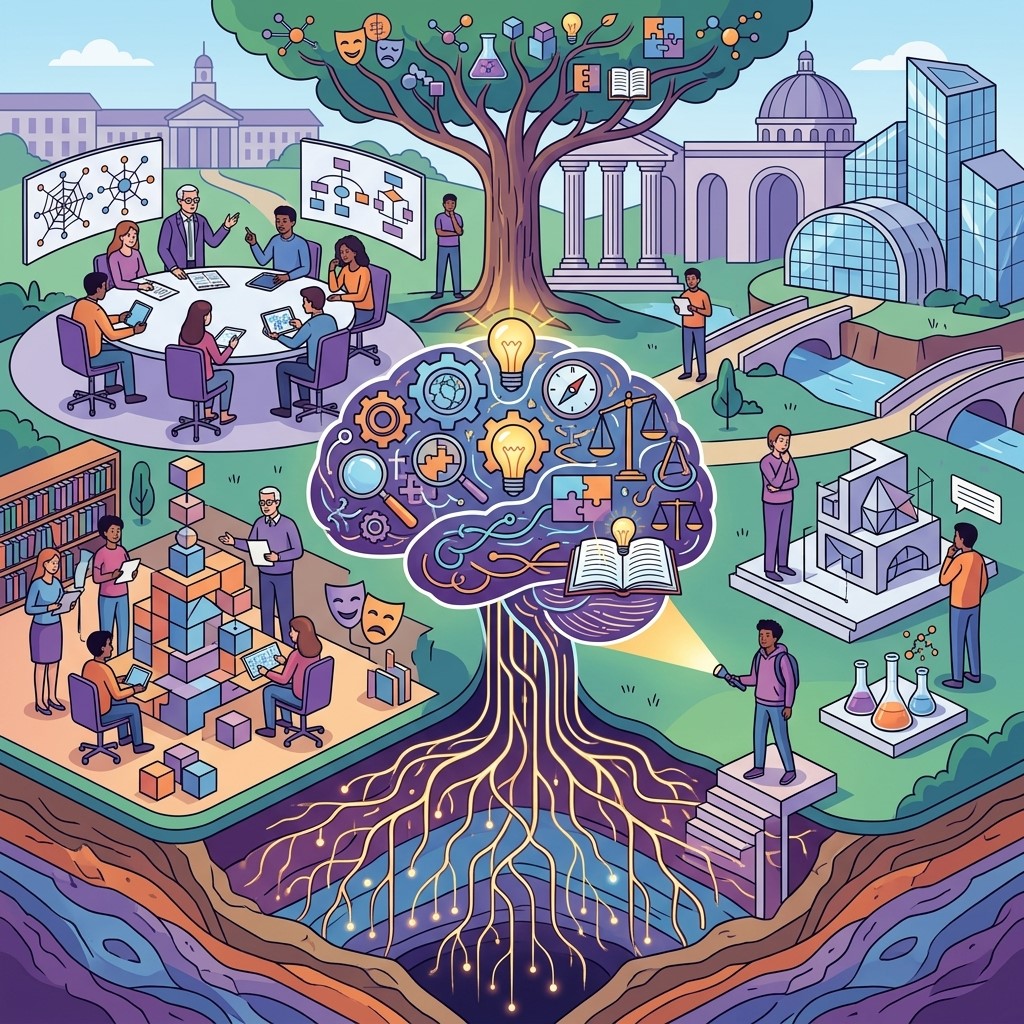 While early schooling lays the groundwork, higher education takes critical thinking to a deeper level. Colleges and universities ask students to tackle complex problems, defend original ideas, and engage with viewpoints that challenge their own.
A philosophy seminar might require you to argue both sides of an ethical debate. A capstone research project might demand months of independent investigation. These experiences stretch your thinking in ways that few other settings can.
Higher education also exposes students to diverse people and perspectives. Debating ideas with classmates from different backgrounds forces you to refine your own views and consider angles you might never have imagined. This kind of intellectual challenge builds the confidence to think independently—a skill that serves you well throughout life.
That said, higher education isn’t the only path to critical thinking. Trade schools, professional certifications, and self-directed study can all build these skills too. What matters most is the willingness to engage deeply with ideas and keep pushing yourself.
How Technology Is Reshaping Academic Learning
The way we learn is changing faster than ever. New tools are making education more flexible, personalized, and accessible than previous generations could have imagined.
Mobile Learning Apps Put Education in Your Pocket
Mobile learning apps have transformed how people study. With a smartphone, you can practice a new language during your commute, review math concepts before a test, or take a full university course from your kitchen table.
These apps make learning more flexible and bite-sized, which helps people fit education into busy lives. Many use quizzes, instant feedback, and progress tracking to keep learners engaged. For developing critical thinking, the best apps don’t just deliver facts—they challenge users to apply concepts, solve problems, and reflect on their answers.
AI in Education Personalizes the Experience
AI in education is one of the most exciting developments in recent years. AI-powered platforms can adapt to each learner’s pace, identify weak spots, and recommend exactly what to study next. A student struggling with algebra might receive extra practice, while one who has mastered it moves ahead.
This personalization helps learners spend their time where it counts most. AI tutors can also answer questions instantly, offer explanations in different ways, and free up teachers to focus on deeper, discussion-based learning that sparks critical thinking.
Still, technology works best as a partner, not a replacement. AI in education can deliver information and feedback efficiently, but the human elements—mentorship, debate, and genuine curiosity—remain essential for developing strong reasoning skills.
Making Academic Learning Work for You
Whether you’re a student, a parent, or a professional looking to grow, you can get more out of academic learning by approaching it with intention.
- Ask questions constantly: Don’t accept information passively. Wonder why things work the way they do, and seek out the answers.
- Apply what you learn: Knowledge sticks better when you use it. Connect classroom concepts to real-life situations whenever you can.
- Embrace challenge: Difficult subjects build the strongest thinking skills. Lean into the topics that stretch you.
- Use technology wisely: Mobile learning apps and AI in education can supplement your studies, but pair them with active thinking and human discussion.
- Never stop learning: The most successful people treat education as a lifelong habit, not a phase that ends with a diploma.
The Importance of Collaboration in Academic Learning
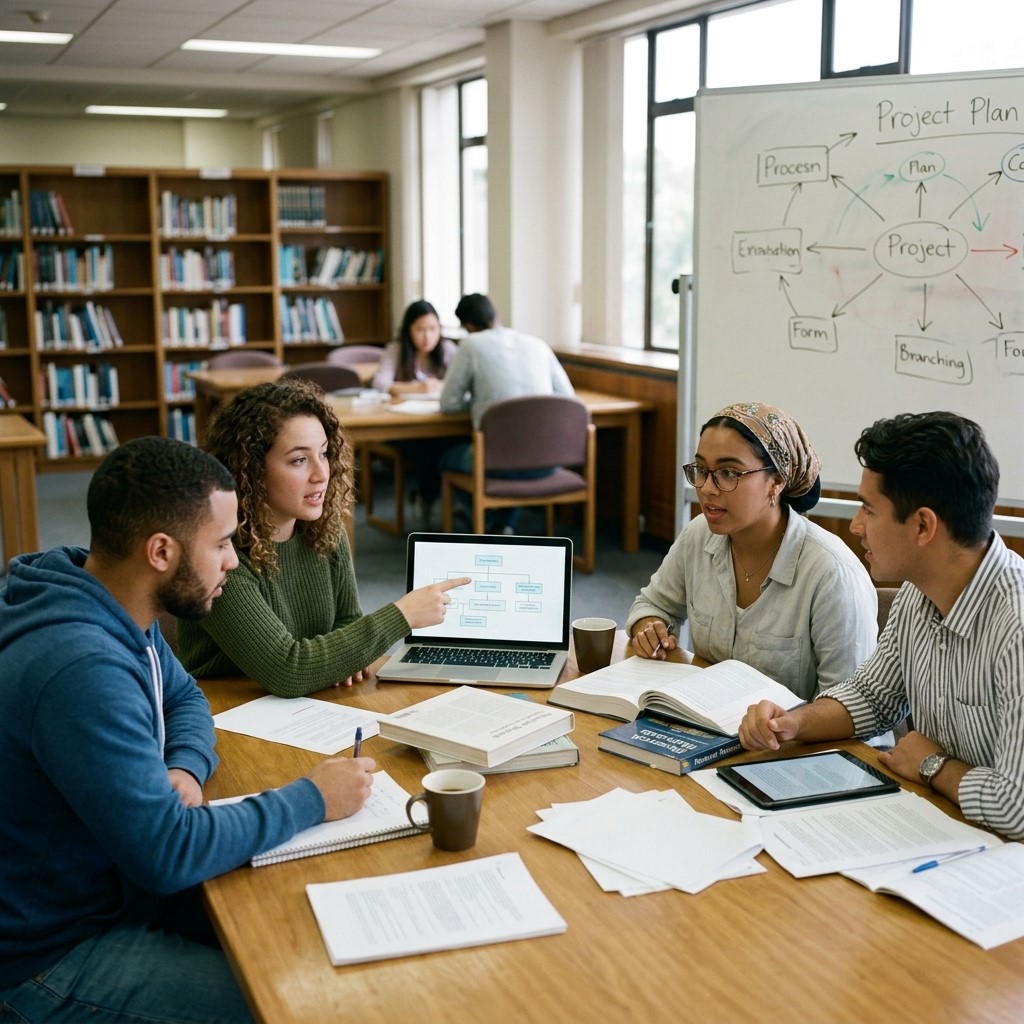 Academic learning is often seen as an individual journey, but collaboration plays a major role in deepening understanding. Group discussions, peer reviews, and team projects expose students to different viewpoints and challenge them to defend their ideas with evidence.
Working with others also builds communication and leadership skills that extend beyond the classroom. Students learn how to explain complex concepts clearly, resolve disagreements, and combine diverse perspectives to solve problems more effectively. These experiences strengthen both critical thinking and interpersonal skills, preparing learners for collaborative workplaces and communities.
Overcoming Common Challenges in Academic Learning
Every learner faces obstacles at some point. Heavy workloads, lack of motivation, time management issues, and exam pressure can make academic learning feel overwhelming. The key is not avoiding these challenges but developing strategies to overcome them.
Breaking large tasks into smaller goals, creating a consistent study routine, and seeking help when needed can make a significant difference. It’s also important to view mistakes as learning opportunities rather than failures. Students who embrace challenges and persist through difficulties often develop stronger resilience and problem-solving abilities—qualities that contribute to lifelong success.
The Future of Academic Learning
Academic learning is evolving rapidly as technology, globalization, and changing workforce demands reshape education. Future classrooms are likely to become more personalized, combining traditional teaching with digital resources, interactive simulations, and AI-powered learning assistants.
At the same time, employers are placing greater value on skills such as creativity, adaptability, and critical thinking. This means academic learning will increasingly focus on helping students apply knowledge to real-world situations rather than simply memorizing information. As education continues to evolve, learners who stay curious and embrace new ways of learning will be best positioned to thrive in an ever-changing world.
Your Education Is an Investment That Keeps Paying Off
Academic learning gives you far more than a diploma to hang on the wall. It shapes the way you think, helping you question assumptions, weigh evidence, and solve problems with confidence. Those critical thinking skills follow you into every job, every relationship, and every decision you make.
As higher education evolves and tools like mobile learning apps and AI in education open new doors, the opportunities to sharpen your mind have never been greater. The key is to stay curious and keep building on what you know.