Online courses, mobile learning apps, and AI tutors have changed how people study. Yet despite all these digital options, the traditional classroom hasn’t lost its power. In fact, sitting in a room with a teacher and a group of peers offers benefits that no screen can fully replicate.
Classroom learning shapes more than test scores. It teaches students how to think critically, work with others, and navigate the social world around them. These skills carry forward into higher education, the workplace, and everyday life.
This post explores why the classroom remains a cornerstone of effective education. We’ll look at how it strengthens academic performance, fosters social growth, and complements the digital tools reshaping schools today.
What Is Classroom Learning?
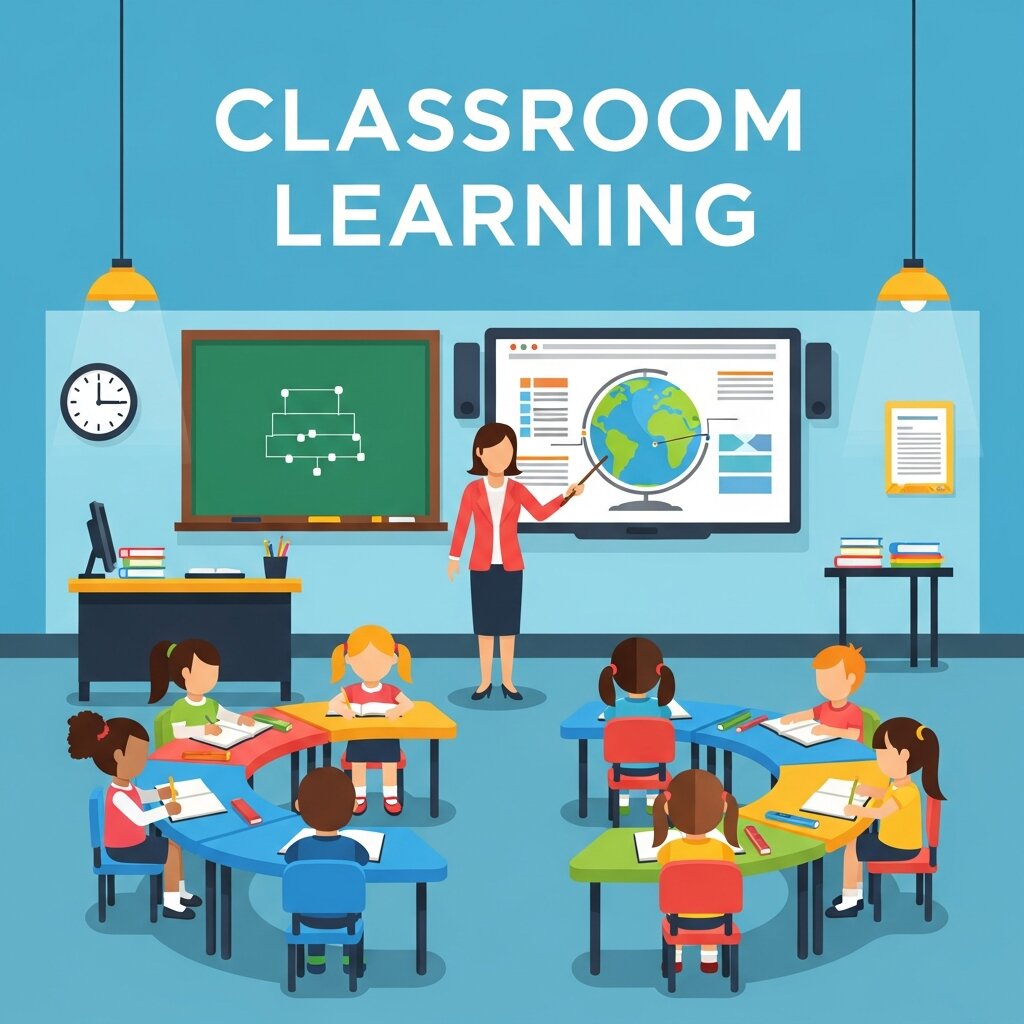
Classroom learning is structured education that takes place in a shared physical space, guided by a teacher. Students follow a set curriculum, participate in discussions, complete assignments, and receive direct feedback. This face-to-face model has been the backbone of formal education for centuries.
What sets it apart is the live, human element. A teacher can read the room, adjust their pace, and respond to confusion in real time. Students can ask questions on the spot, debate ideas, and learn from each other’s perspectives. This immediate exchange is hard to capture through a pre-recorded video or an automated quiz.
How Classroom Learning Boosts Academic Development
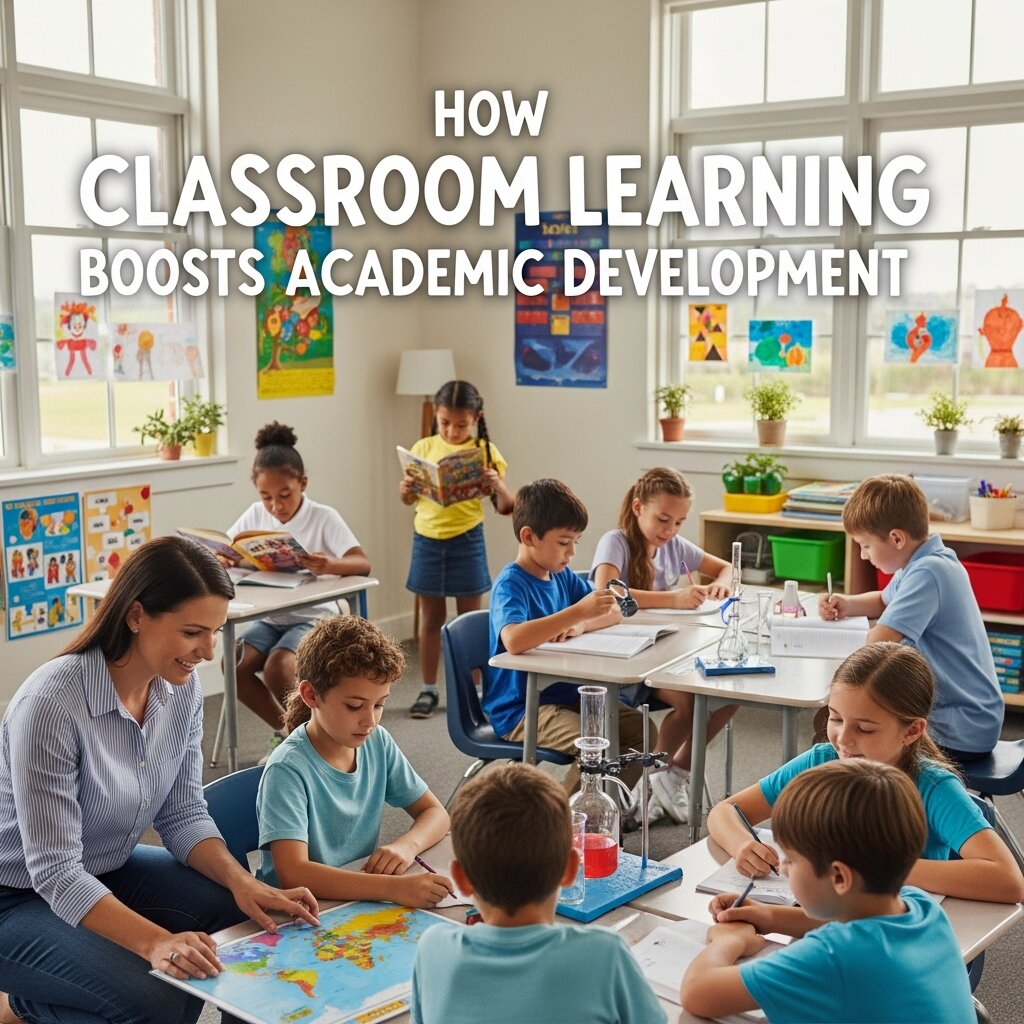 The structured nature of classroom learning gives students a clear framework for success. Here’s how it strengthens academic growth.
Structure and Routine Keep Students on Track
A fixed schedule helps students build discipline. Knowing that class starts at a certain time, that assignments have deadlines, and that progress is regularly assessed encourages consistency. This routine is especially valuable for younger learners who are still developing their time-management skills.
Without structure, it’s easy to fall behind. The classroom provides accountability that self-paced study often lacks.
Immediate Feedback Speeds Up Learning
One of the biggest advantages of the classroom is instant feedback. When a student gets stuck, a teacher can step in right away. They can rephrase an explanation, offer an example, or correct a misunderstanding before it takes root.
This back-and-forth is powerful. Research in education consistently shows that timely, specific feedback is one of the strongest drivers of student achievement. In a classroom, that feedback happens naturally throughout the day.
Active Participation Deepens Understanding
Classrooms encourage students to engage rather than passively absorb information. Raising a hand, joining a group project, or explaining a concept to a classmate forces students to process material more deeply.
When you have to articulate an idea out loud, you understand it better. This active engagement helps move information from short-term memory into long-term knowledge.
Focused Environments Reduce Distractions
A dedicated learning space sets the right tone. Free from the distractions of home, students can concentrate on the task at hand. The presence of a teacher and peers also creates gentle social pressure to stay on task.
For many students, this focused environment makes a real difference in how much they retain.
How Classroom Learning Strengthens Social Development
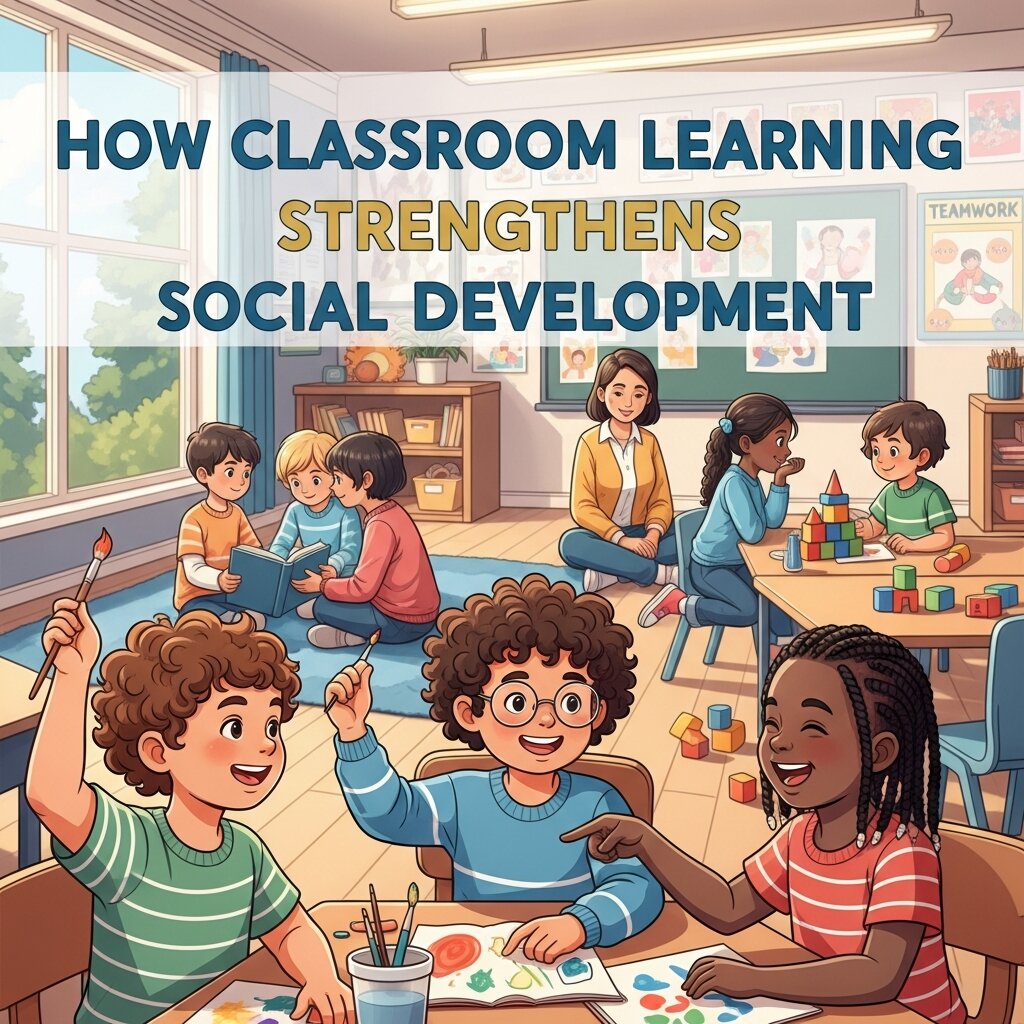 Academic skills matter, but they’re only part of the picture. The classroom is also where students learn to be part of a community.
Daily Interaction Builds Communication Skills
Every school day brings countless chances to communicate. Students ask questions, share opinions, and respond to others. Over time, these interactions sharpen their ability to express ideas clearly and listen carefully.
These communication skills are essential far beyond school. They shape how people collaborate at work, build relationships, and resolve disagreements.
Group Work Teaches Collaboration
Group projects mirror the teamwork students will face in their careers. Working together teaches them to divide tasks, compromise, and value different viewpoints. They learn that the best solutions often come from combining ideas.
These lessons in collaboration are difficult to teach through solo, screen-based study. The classroom offers a natural setting to practice them.
Diverse Perspectives Broaden Thinking
A classroom brings together students from different backgrounds, cultures, and experiences. Exposure to this variety challenges assumptions and encourages empathy. Hearing a classmate’s perspective can open a student’s mind in ways a textbook cannot.
This exposure prepares students for a diverse world. It helps them become more open-minded and adaptable.
Conflict Resolution Builds Emotional Intelligence
Disagreements are part of any group setting. When they happen in a classroom, students learn to handle them constructively. With a teacher’s guidance, they discover how to express frustration calmly, find common ground, and repair relationships.
These emotional skills are just as important as academic ones. They help students grow into balanced, resilient adults.
How Classroom Learning Fits With Digital Education
The rise of mobile learning apps and AI in education has sparked debate about the future of the classroom. But the smartest approach isn’t choosing one over the other. It’s blending the strengths of both.
Mobile Learning Apps Extend the Classroom
Mobile learning apps give students the freedom to study anywhere, anytime. They can review a lesson on the bus, practice vocabulary during a break, or watch a tutorial at home. These tools reinforce what’s taught in class and let students learn at their own pace.
Used alongside classroom instruction, mobile learning apps create a richer experience. The teacher delivers the core concepts, and the app provides extra practice and flexibility.
AI in Education Personalizes the Experience
AI in education is transforming how students receive support. Adaptive platforms can identify where a student struggles and adjust the material accordingly. AI tutors can answer questions outside of class hours, and automated tools can free teachers from routine tasks like grading.
This frees up teachers to do what they do best: mentor, inspire, and connect with students on a human level. AI handles the repetitive work, while the classroom delivers the irreplaceable human touch.
Blended Learning Offers the Best of Both Worlds
Blended learning combines face-to-face teaching with digital tools. A student might attend a class discussion in the morning and complete an interactive online module in the afternoon. This model keeps the social and structural benefits of the classroom while adding the convenience of technology.
Many schools and universities now embrace this hybrid approach. It reflects a growing understanding that classroom learning and digital learning work best together, not in competition.
Why Classroom Learning Matters in Higher Education
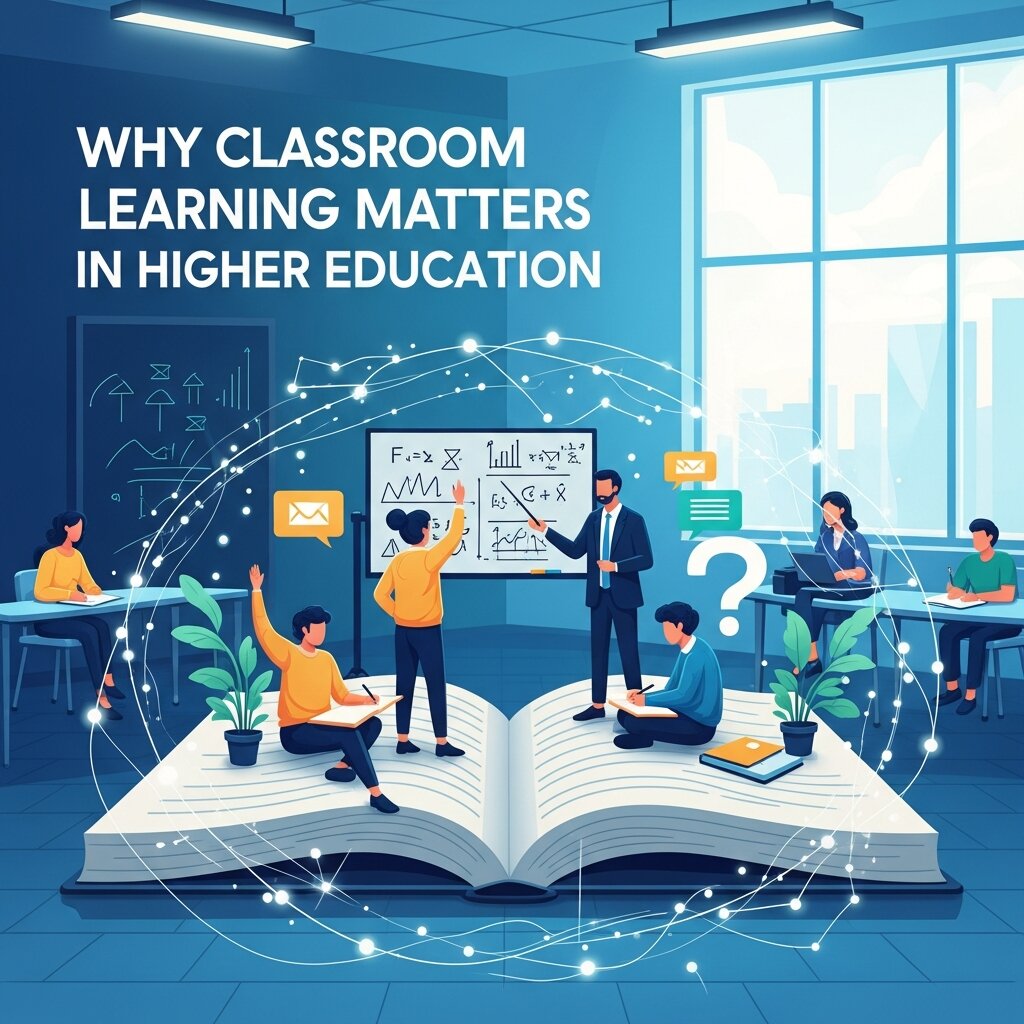 The benefits of classroom learning don’t stop at primary or secondary school. In higher education, they take on even greater importance.
University lectures, seminars, and lab sessions push students to think critically and engage with complex ideas. Debating a topic with peers, defending an argument to a professor, or collaborating on research builds skills that employers value highly.
Higher education also relies on the social side of the classroom. Networking with classmates, joining study groups, and learning from professors all happen more naturally in person. These connections often shape careers long after graduation.
While online degrees have grown in popularity, many students still value the campus experience. The classroom offers structure, accountability, and a sense of community that can be hard to find in a fully remote program.
Getting the Most From Classroom Learning
To make the most of classroom learning, students and educators can take a few practical steps:
- Participate actively: Ask questions, join discussions, and contribute to group work. Engagement deepens understanding.
- Build good habits: Show up prepared, meet deadlines, and review material regularly. Consistency pays off.
- Embrace digital tools: Use mobile learning apps and AI in education to reinforce what you learn in class.
- Connect with peers: Form study groups and build relationships. The social side of learning is just as valuable as the academic side.
- Seek feedback: Take advantage of the direct feedback a teacher offers. Use it to improve and grow.
For educators, the goal is to create an environment where students feel safe to participate, make mistakes, and learn from one another. Combining strong teaching with thoughtful use of technology can make the classroom even more effective.
The Impact of Classroom Learning on Student Confidence
Confidence is an important factor in academic success, and classroom learning provides many opportunities for students to develop it. Every time a student answers a question, presents a project, or participates in a discussion, they gain experience expressing themselves in front of others. These moments gradually build self-assurance and reduce the fear of making mistakes.
Teachers also play a key role by offering encouragement and constructive feedback that helps students recognize their strengths. As confidence grows, students become more willing to take on challenges, share ideas, and engage with new concepts. This positive cycle supports both academic achievement and personal growth, preparing learners to communicate effectively and handle responsibilities in future educational and professional settings.
The Importance of Teacher-Student Relationships
Strong teacher-student relationships are one of the greatest advantages of classroom learning. When students feel supported and understood by their teachers, they are more likely to participate actively and stay motivated. Teachers who know their students well can identify learning difficulties early and provide personalized guidance. These relationships also create a safe environment where students feel comfortable asking questions and seeking help when needed.
Beyond academics, teachers often serve as mentors who encourage positive habits, critical thinking, and personal development. A supportive classroom atmosphere strengthens trust and engagement, helping students reach their full potential. The human connection between teachers and students remains a valuable element that technology alone cannot fully replace.
Classroom Learning and the Development of Critical Thinking
Classroom learning encourages students to think beyond memorization and develop critical thinking skills. Through discussions, debates, problem-solving activities, and collaborative projects, students learn how to analyze information, evaluate evidence, and form logical conclusions. Teachers can challenge students with thought-provoking questions that encourage deeper exploration of a topic.
Listening to different viewpoints also helps learners understand complex issues from multiple perspectives. These experiences teach students how to make informed decisions and solve problems effectively. Critical thinking is a skill that extends far beyond the classroom, benefiting students in higher education, careers, and everyday life. By fostering curiosity and independent thought, classroom learning helps prepare students for a rapidly changing world.
Frequently Asked Questions (FAQ)
1. What is classroom learning?
Classroom learning is a traditional educational approach where students learn in a physical environment under the guidance of a teacher. It involves face-to-face instruction, group discussions, collaborative activities, and direct interaction with peers and educators.
2. Why is classroom learning important for students?
Classroom learning provides structure, accountability, and immediate feedback, helping students stay engaged and improve academic performance. It also supports the development of communication, teamwork, and problem-solving skills.
3. How does classroom learning improve academic achievement?
Students benefit from direct instruction, real-time clarification of concepts, active participation, and regular assessments. These elements help reinforce understanding and improve knowledge retention.
4. What are the social benefits of classroom learning?
Classroom environments encourage collaboration, communication, empathy, and conflict-resolution skills. Students learn how to work with others, respect different viewpoints, and build meaningful relationships.
5. Can classroom learning and technology work together?
Yes. Classroom learning can be enhanced through digital tools such as mobile learning apps, educational platforms, and AI-powered resources. Combining traditional instruction with technology creates a more engaging and flexible learning experience.
6. What role do teachers play in classroom learning?
Teachers guide instruction, provide feedback, answer questions, facilitate discussions, and create a supportive learning environment. Their ability to adapt lessons to student needs is one of the biggest advantages of classroom education.
7. How do mobile learning apps support classroom learning?
Mobile learning apps allow students to review lessons, complete practice exercises, and access educational resources outside the classroom. They help reinforce concepts taught during class and support self-paced learning.
8. How is AI changing classroom learning?
AI in education helps personalize learning experiences by identifying student strengths and weaknesses, providing customized recommendations, automating administrative tasks, and offering additional academic support outside classroom hours.
9. Is classroom learning still relevant in the digital age?
Absolutely. While technology has expanded learning opportunities, classroom learning remains valuable because it provides direct human interaction, social development, collaboration opportunities, and structured educational experiences that digital tools alone cannot fully replace.
10. What is blended learning?
Blended learning is an educational model that combines traditional classroom instruction with online learning tools and digital resources. It allows students to benefit from both face-to-face interaction and technology-enhanced learning.
The Classroom Still Holds Its Ground
Technology will keep changing education, and that’s a good thing. Mobile learning apps and AI in education open doors that were once closed, making learning more flexible and personalized than ever. But these tools work best as partners to the classroom, not replacements for it.
Classroom learning builds the academic foundation students need to succeed. Just as importantly, it nurtures the social and emotional skills that shape who they become. From early schooling through higher education, the classroom remains a place where minds grow and people connect.