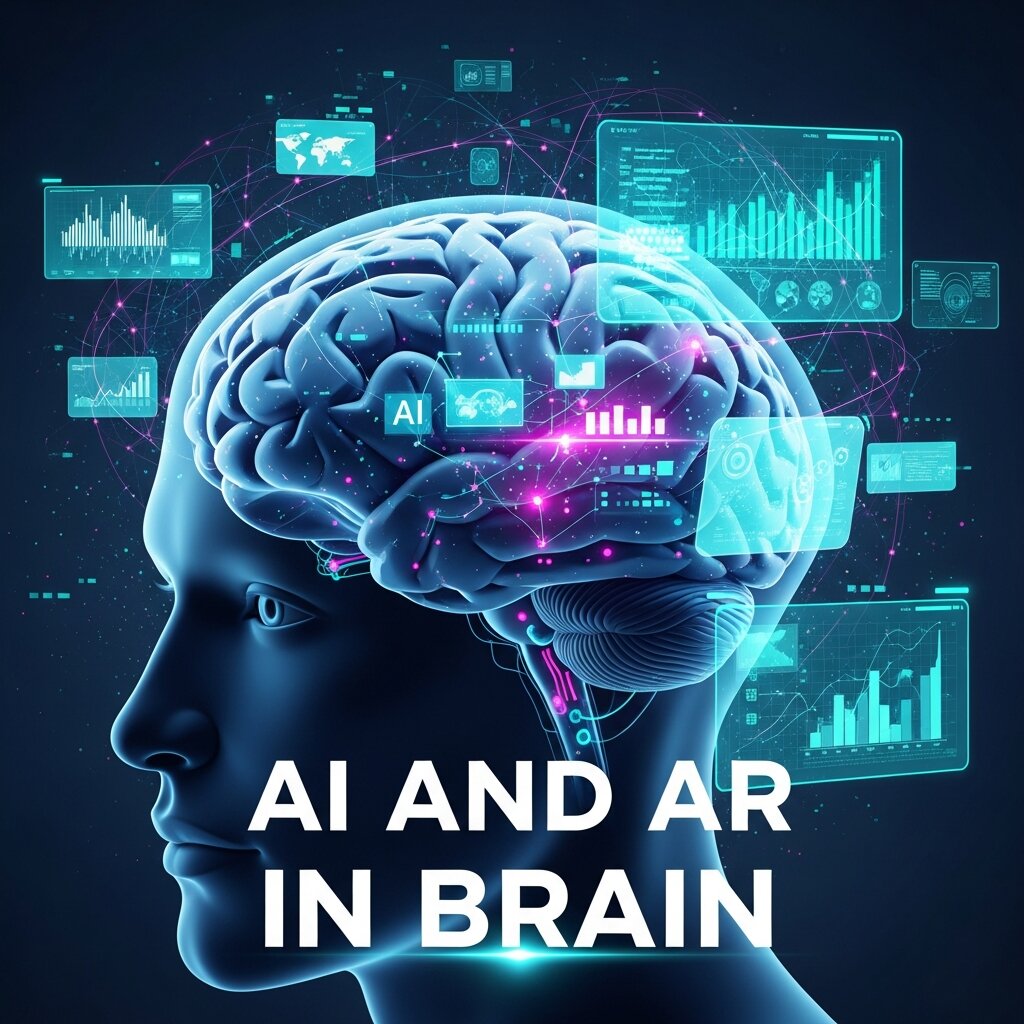
In today’s digital landscape, the fusion of advanced technologies with insights from neuroscience offers a transformative path for educators. As classrooms evolve this year (2026), harnessing the power of AI and AR in Brain-Based Teaching Strategies can elevate engagement and optimize retention for diverse learners. AI and AR in Brain-Based Teaching Strategies is not just a theoretical concept; it is a practical framework that aligns learning experiences with how the mind naturally acquires, processes, and stores information.
By tapping into adaptive algorithms, rich immersive visuals, and evidence-based practices derived from cognitive science, instructors can craft personalized journeys that speak directly to each student’s strengths. This article delves into the foundational elements of intelligent systems, augmented realities, and brain-based methods, offering actionable insights that are both current and scalable.
Understanding AI in Education
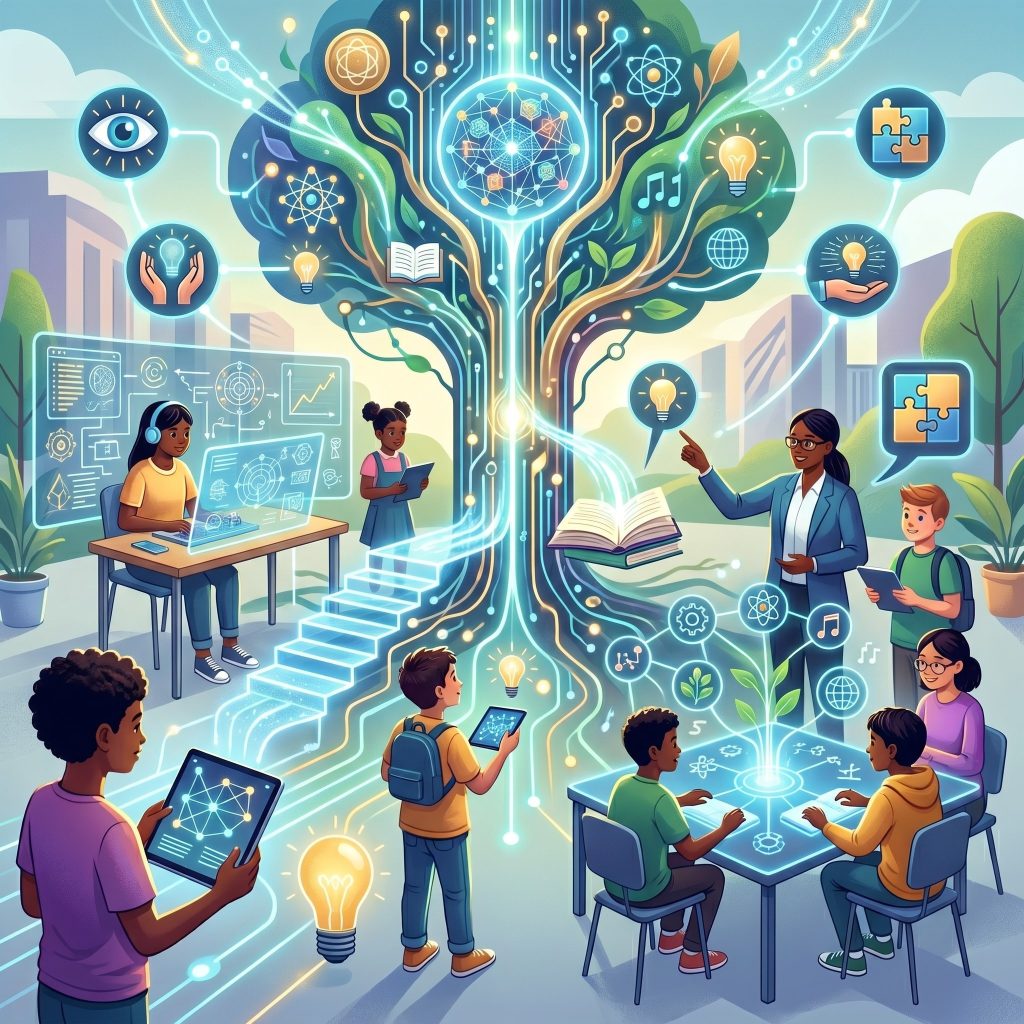 Artificial intelligence has moved beyond science fiction to become an essential component of modern pedagogy. Currently, intelligent platforms analyze vast volumes of performance metrics to tailor content, pacing, and complexity to each learner. Algorithms identify patterns in responses, flagging concepts that require further reinforcement while introducing fresh challenges when mastery is detected. For example, an AI-driven tutoring system might adapt math problems on the fly if a student struggles with algebraic equations, or it may accelerate science modules if quick comprehension is observed.
One significant advantage of AI in education is its capacity for continuous assessment. Instead of relying solely on periodic exams, teachers can access dashboards that update in real time, showing which topics are well understood and which deserve additional focus. This immediate feedback loop not only keeps students motivated but also empowers instructors to design interventions precisely when and where they are needed. Websites such as the U.S. Department of Education (ed.gov) highlight the potential of these tools for closing achievement gaps and supporting differentiated instruction.
In addition, natural language processing allows AI systems to interpret student-written essays or short answers, providing targeted comments on vocabulary, structure, and argument coherence. By automating routine feedback, educators gain precious time to engage in higher-order discussions or one-on-one mentoring. Current research from leading institutions like Harvard University demonstrates that such intelligent platforms can boost learning outcomes, particularly for students who benefit from extra practice and timely support.
Exploring Augmented Reality for Active Learning
Augmented reality is reshaping how learners interact with educational content by layering digital elements onto physical spaces. AR experiences can transform a simple classroom into a dynamic environment where abstract theories become tangible. For instance, in biology lessons, students might explore interactive 3D models of the human heart, zooming into chambers and observing blood flow animations that deepen conceptual understanding.
The multisensory nature of AR helps encode information more effectively. As learners see, hear, and sometimes interact with digital overlays, neural pathways form with greater strength and durability. This aligns with multisensory learning principles, which suggest that engaging multiple senses accelerates memory consolidation. In today’s classrooms, affordable AR apps for tablets and smartphones make it feasible to implement these immersive activities without requiring expensive hardware.
Collaborative AR scenarios can foster peer interaction, as small groups work together to solve spatial puzzles or conduct virtual lab experiments. By engaging both social and cognitive dimensions, AR initiatives support the emotional and motivational aspects of learning, which are key drivers of sustained interest. Recognized research centers, such as the Massachusetts Institute of Technology, have documented the profound effects of AR on student engagement, especially when content is anchored in real-world contexts.
Foundations of Brain-Based Instruction
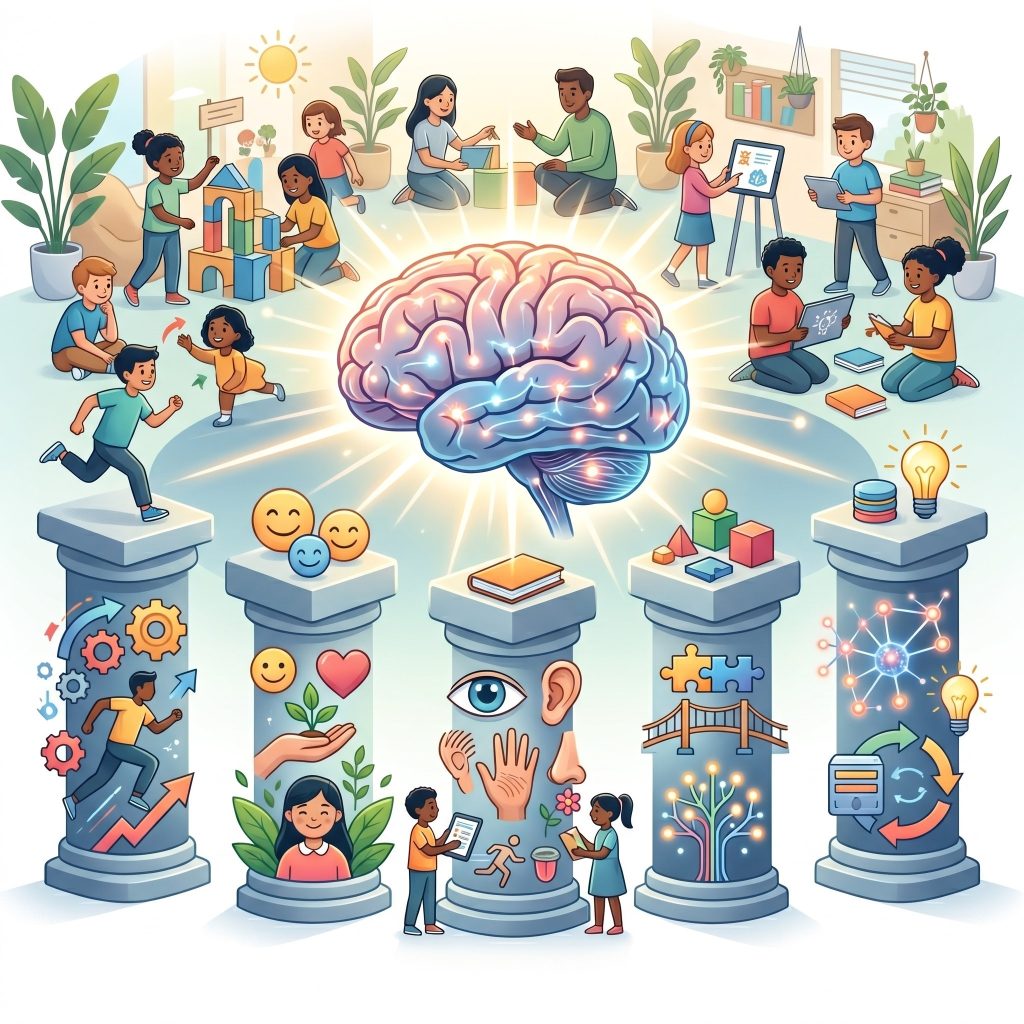 Effective teaching practices stem from a deep understanding of how the brain learns. Several principles guide educators in designing lessons that resonate with neural processes. Spaced repetition ensures that information is revisited at strategically timed intervals, strengthening synaptic connections and moving knowledge from short-term storage to long-term memory. When students engage with materials multiple times, with increasing gaps between sessions, retention rates climb significantly.
Another cornerstone is the use of multimodal inputs. By presenting content through visual, auditory, and kinesthetic channels, instructors cater to diverse learning preferences while stimulating different brain regions. For example, combining spoken explanations with infographics and hands-on activities helps learners integrate concepts more holistically. Emotional arousal also plays a vital role; when lessons invoke curiosity or narrative-driven scenarios, the amygdala becomes active, encoding experiences with greater vividness.
Active learning strategies further capitalize on brain science. Techniques such as problem-based tasks, Socratic questioning, and peer discussions encourage learners to retrieve and apply information, engaging the prefrontal cortex and hippocampus. These regions are essential for critical thinking, decision-making, and memory formation. According to the National Institutes of Health, classrooms that incorporate these evidence-based methods often see marked improvements in both comprehension and motivation.
Uniting AI, AR, and Neuroscience for Enhanced Learning
When intelligent technologies intertwine with neuroscience principles, the potential for deeper learning grows exponentially. AI can power spaced repetition schedules by monitoring student performance and prompting timely reviews. Paired with AR environments, these prompts transform into interactive experiences, such as revisiting virtual artifacts or engaging with speech-driven role-plays that reinforce vocabulary and concepts.
Consider a language lesson where an AI engine tracks a student’s pronunciation accuracy. At the optimal recall interval, the system launches an AR scenario—a virtual marketplace—where the learner practices phrases with animated avatars. This multimodal reinforcement ensures that auditory, visual, and contextual memories converge, bolstering fluency and confidence. Such integrations illustrate how AI and AR in Brain-Based Teaching Strategies operate in harmony, delivering personalized, context-rich instruction.
Furthermore, real-time analytics enable instructors to fine-tune each interaction. Gestures, eye movements, or response times collected by AR interfaces can feed into machine learning models, offering insights into cognitive load and engagement levels. Educators can then adjust the complexity of tasks or introduce emotional storytelling elements, knowing precisely when and how to intervene. This data-driven feedback loop epitomizes the synergy between innovative tools and the science of learning.
Practical Strategies for Today’s Classrooms
Translating these concepts into practice involves selecting the right mix of tools and techniques. One effective approach is to deploy adaptive AR simulations. Choose platforms that dynamically adjust scenarios based on AI-driven assessments, ensuring that challenges remain within each learner’s zone of proximal development. This adaptability minimizes frustration while maximizing curiosity.
Another tactic is to implement AI-powered feedback loops. Intelligent quiz applications can instantly analyze responses, offering hints, scaffolded explanations, and encouragement. This reduces the cognitive overhead of error correction and fosters a growth mindset, as students view mistakes as opportunities for progress. Teachers can monitor aggregated data to identify common misconceptions and plan targeted mini-lessons.
Scheduling spaced AR workshops across several weeks leverages the power of time. Set reminders powered by intelligent calendars that nudge students to revisit key topics through immersive tasks, such as virtual historical reconstructions or chemical reaction demonstrations. This long-term engagement strengthens retention and builds confidence steadily.
Emotional engagement can be enhanced through narrative-driven scenarios. Integrate storytelling into AR lessons by creating characters, challenges, and plot twists that resonate emotionally. The rich contextual details activate neurochemical pathways linked to memory consolidation, making concepts more memorable and enjoyable.
Finally, collaborative AI agents in group activities can act as virtual facilitators. These chatbots can monitor discussions, suggest relevant resources, and prompt reflective questions. By supporting both social and cognitive dimensions, AI agents ensure that group dynamics remain focused on learning objectives.
Ethical Considerations in AI and AR Learning Environments
As schools adopt advanced technologies, ethical concerns become increasingly important. AI systems collect large amounts of student data, including learning behaviors, response patterns, and engagement metrics. Educators and administrators must ensure this information is stored securely and used responsibly. Transparent data policies and parental consent procedures help build trust while maintaining compliance with educational privacy standards.
Bias in AI algorithms is another critical issue. If systems are trained on limited or unbalanced datasets, they may unintentionally disadvantage certain groups of learners. Regular audits, inclusive datasets, and human oversight are necessary to maintain fairness and accessibility. AR experiences should also avoid overstimulation or exclusion by considering students with sensory sensitivities or disabilities. A balanced, ethical implementation strategy ensures that AI and AR in Brain-Based Teaching Strategies support equity, inclusion, and student well-being across diverse educational settings.
Gamification and Motivation Through Intelligent Immersion
 Gamification enhances engagement by integrating rewards, challenges, and interactive storytelling into educational experiences. When combined with AI and AR in Brain-Based Teaching Strategies, gamified learning becomes far more adaptive and personalized. AI systems can track learner progress and dynamically adjust challenges to maintain optimal difficulty levels, preventing boredom and frustration.
AR further amplifies motivation by turning classrooms into immersive adventure spaces. Students might solve historical mysteries through virtual artifacts, complete science missions inside augmented laboratories, or unlock achievements through collaborative quests. These emotionally engaging experiences activate dopamine-driven reward pathways in the brain, increasing attention and persistence.
Leaderboards, badges, and real-time progress tracking also encourage healthy competition and peer collaboration. However, successful gamification focuses on meaningful learning outcomes rather than superficial rewards. By combining neuroscience principles with immersive technology, educators can create experiences that sustain curiosity, improve participation, and encourage long-term academic growth.
Supporting Special Education with AI and AR Technologies
AI and AR technologies offer remarkable opportunities for students with diverse learning needs. Personalized AI platforms can adapt lesson pacing, reading complexity, and instructional methods to accommodate cognitive or developmental differences. For students with attention difficulties, AI-powered reminders and structured task guidance can improve focus and organization.
AR experiences also provide visual and interactive support that benefits learners with autism spectrum disorders, dyslexia, or language-processing challenges. Virtual overlays can simplify abstract concepts, while interactive simulations allow students to practice social interactions or real-world tasks in low-pressure environments. Speech recognition tools and visual prompts further strengthen communication skills and comprehension.
Teachers in inclusive classrooms can use these tools to create differentiated instruction without isolating students from peers. Instead of applying one-size-fits-all teaching models, AI and AR in Brain-Based Teaching Strategies promote accessibility, confidence, and participation for every learner. As educational technologies continue evolving in 2026, their role in supporting inclusive education will only become more significant.
Teacher Training and Professional Development for Emerging Technologies
Successful implementation of AI and AR tools depends heavily on educator preparedness. Many teachers are enthusiastic about innovative classroom technologies but require structured training to integrate them effectively. Professional development programs should focus not only on technical skills but also on pedagogical strategies that align with neuroscience and cognitive learning principles.
Hands-on workshops allow educators to experiment with AR simulations, adaptive learning platforms, and intelligent analytics dashboards in realistic teaching scenarios. Mentorship programs and collaborative teacher communities also encourage knowledge sharing and continuous improvement. Schools can further support adoption by providing instructional coaches who specialize in educational technology integration.
Importantly, professional development should emphasize balance. Teachers must learn when technology enhances learning and when traditional methods remain more effective. By empowering educators with practical experience and evidence-based guidance, institutions can maximize the impact of AI and AR in Brain-Based Teaching Strategies while reducing resistance to technological change.
Measuring Learning Outcomes with Intelligent Analytics
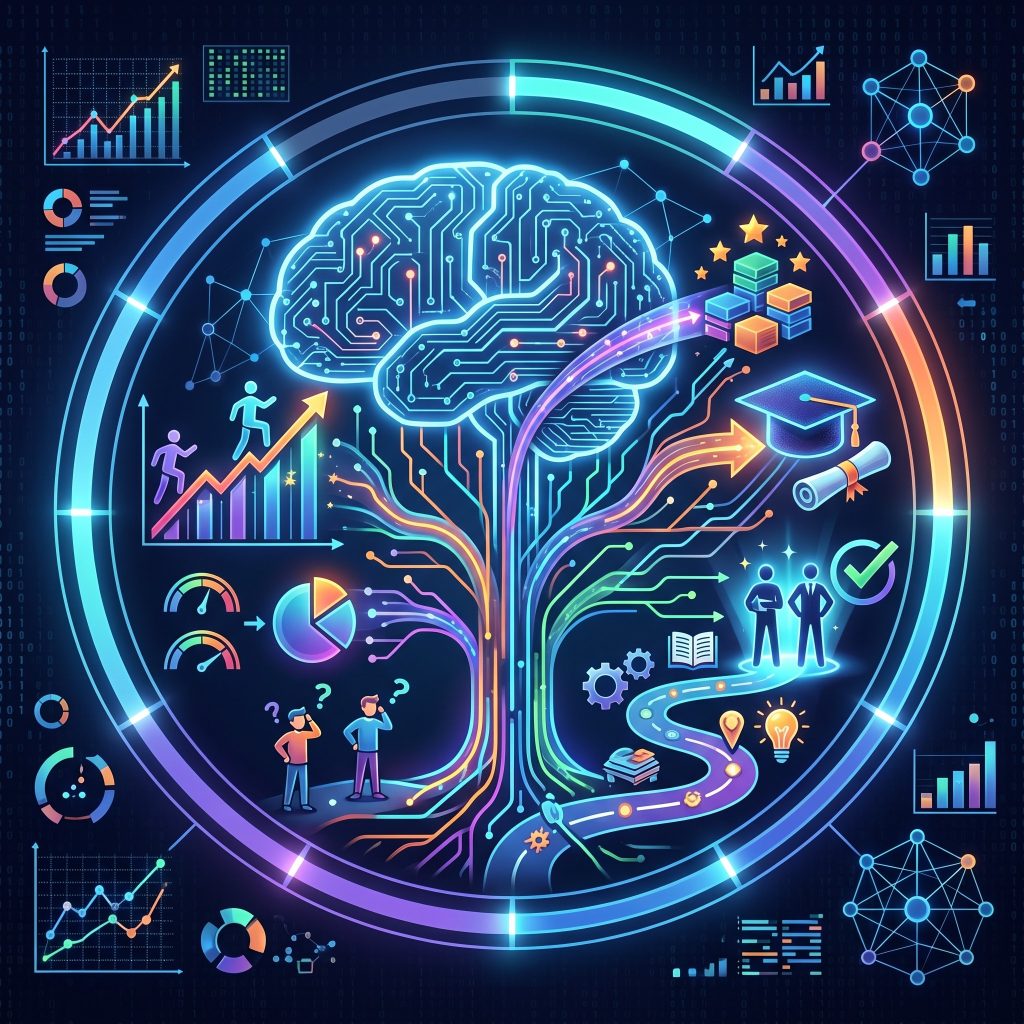 Evaluating the effectiveness of AI and AR initiatives requires robust assessment frameworks. Intelligent analytics platforms collect data on engagement, participation, completion rates, and knowledge retention. These insights help educators determine which instructional methods produce the strongest learning outcomes.
AI systems can identify patterns that traditional grading methods may overlook. For example, analytics may reveal that students retain information longer after participating in immersive AR simulations compared to textbook-based instruction. Heatmaps, interaction tracking, and response-time analysis also provide valuable indicators of attention and cognitive load.
Teachers can use this information to personalize instruction further, redesign challenging lessons, and support struggling learners proactively. Longitudinal tracking additionally enables schools to evaluate the long-term impact of brain-based learning interventions over multiple semesters. With careful interpretation, data-driven decision-making transforms educational strategies into continuously evolving systems focused on measurable improvement and student success.
The Future of AI and AR in Brain-Based Teaching Strategies
The future of education will likely be shaped by increasingly intelligent and immersive technologies. AI tutors capable of natural conversation may soon provide instant multilingual support, emotional recognition, and advanced personalized coaching. Simultaneously, AR glasses and wearable devices are expected to make immersive learning experiences more accessible and seamless in everyday classrooms.
Future brain-based teaching systems may integrate biometric feedback, such as eye tracking or heart-rate monitoring, to detect stress, attention levels, and emotional engagement in real time. This information could help educators adjust lessons dynamically for optimal learning conditions. AI-generated content may also allow instructors to build customized AR experiences instantly, reducing preparation time significantly.
As educational ecosystems continue evolving beyond 2026, the convergence of neuroscience, artificial intelligence, and augmented reality will redefine how knowledge is delivered and experienced. Schools that embrace these innovations strategically will create adaptive, engaging, and inclusive learning environments designed to prepare students for the rapidly changing demands of the future workforce.
Frequently Asked Questions
What is brain-based teaching?
Brain-based teaching applies principles from neuroscience to design learning experiences that align with how the brain naturally acquires, processes, and retains information. Strategies include spaced repetition, multimodal instruction, and active learning to strengthen neural connections.
How does AI personalize learning for each student?
AI platforms analyze performance data—such as response accuracy, timing, and patterns—to adjust content difficulty, pacing, and feedback in real time. This ensures that learners receive targeted support and challenges tailored to their unique needs.
Are there affordable AR tools for classrooms?
Yes. Many AR apps designed for tablets and smartphones offer free or low-cost subscriptions. These tools enable immersive 3D visualizations, interactive simulations, and collaborative activities without requiring specialized headsets.
How can teachers get started with these strategies?
Begin by piloting one AI-driven platform and one AR application in a single unit. Collect data, solicit student feedback, and refine your approach before scaling up. Professional learning communities and online tutorials can also support educators in mastering these technologies.
Conclusion
In today’s educational environment, integrating AI and AR in Brain-Based Teaching Strategies represents a forward-thinking approach that aligns with how the brain naturally learns. By leveraging intelligent analytics, immersive realities, and neuroscience-driven methods, teachers can design experiences that boost motivation, deepen comprehension, and foster long-term retention.
As we continue to explore the intersection of technology and cognitive science, the most impactful learning environments will be those that combine human innovation with smart tools. By embracing this multimodal framework, educators can create dynamic, personalized journeys that prepare students for success in today’s ever-evolving world.
Read more about this topic: Formal Education Definition Explained for Parents