In today’s fast-paced educational environment, equipping learners with critical thinking skills has become a fundamental priority. These cognitive abilities enable individuals to evaluate information, identify logical connections, and formulate reasoned judgments across diverse scenarios. As educators adapt instruction to meet evolving demands in this year (2026), fostering analytical mindsets is no longer optional but essential for both academic success and lifelong adaptability. In today’s digital landscape, students face a constant stream of data from online platforms, social media, and multimedia resources. Without guidance in the disciplined examination of ideas, interpretations, and sources, they may struggle to distinguish reliable evidence from unsupported claims. Developing critical thinking skills empowers students to navigate complex problems by questioning assumptions, recognizing biases, and engaging in reflective inquiry. This article offers a comprehensive framework for cultivating robust analytical capacities in the classroom. We will explore the definition of critical thinking skills, examine why these competencies matter, and highlight practical strategies that educators can implement immediately. From Socratic dialogue techniques to collaborative projects and technology-enhanced activities, the approaches presented here draw upon current research and proven best practices. By integrating targeted methods within lesson plans, teachers can create learning environments where students actively construct understanding rather than passively receive information. Ultimately, strengthening these mental frameworks will prepare learners to engage confidently with academic challenges, real-world problems, and emerging opportunities.
Understanding Critical Thinking Skills
Critical thinking skills encompass a set of cognitive processes through which learners actively engage with information. Rather than simply memorizing facts, students analyze evidence, draw connections, and generate reasoned conclusions. In essence, these skills involve the disciplined practice of examining assumptions, interpreting data, and weighing alternative viewpoints before making judgments. Educational experts emphasize that critical thinking is not an inherent trait but a learned mindset nurtured through intentional instruction.
At the core of critical thinking lies metacognition, which refers to awareness and control of one’s own thought processes. When learners pause to reflect on how they arrive at conclusions, they become more adept at recognizing logical leaps or misguided inferences. This year (2026), research from the American Psychological Association highlights the role of metacognitive strategies in enhancing problem-solving performance. For additional guidance on curriculum integration, teachers can explore resources available through https://www.apa.org.
Five interrelated skills form the backbone of analytical reasoning. First, analysis involves breaking down complex ideas into constituent parts to understand underlying structures. Second, evaluation requires assessing the credibility and relevance of information. Third, inference entails drawing logical conclusions based on available evidence. Fourth, explanation involves articulating the reasoning behind one’s conclusions with clarity. Finally, self-regulation guides learners to monitor their thinking and adjust strategies as needed.
Developing these components transforms passive recipients of knowledge into active constructors of understanding. In today’s digital landscape, students must sift through vast amounts of online content, discern reliable sources, and critique persuasive messages. Without a structured approach to evaluation, they risk accepting misinformation or succumbing to cognitive biases. By embedding critical thinking skills within daily routines, educators empower learners to navigate complexity with confidence.
Foundational frameworks such as Bloom’s Taxonomy and the Paul-Elder Model offer valuable templates for designing classroom activities that target distinct levels of cognitive engagement. In practice, teachers might prompt students to identify assumptions underlying a news article or compare competing hypotheses in a science investigation. Over time, consistent exposure to such challenges leads to more sophisticated analytical habits, preparing students for both academic pursuits and real-world problem solving.
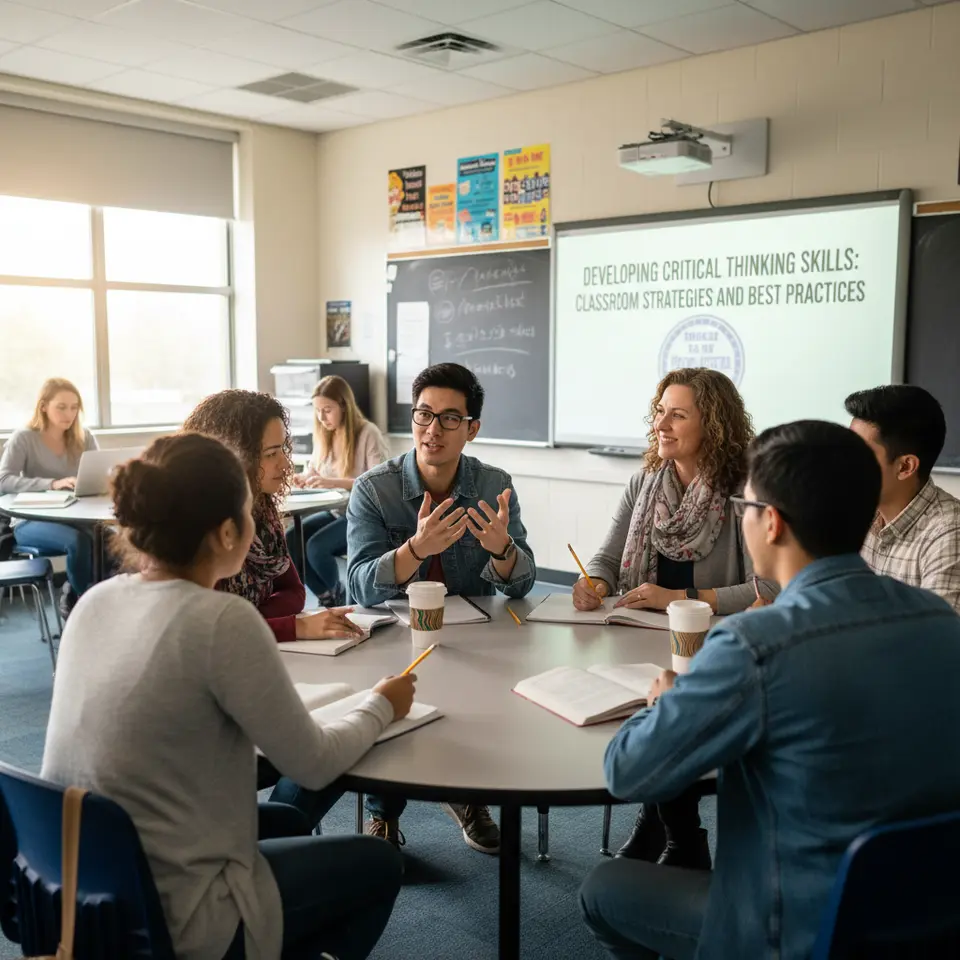
Moreover, a supportive classroom culture plays an essential role in nurturing these abilities. When educators encourage open dialogue, respectful debate, and diverse perspectives, students feel safe to articulate tentative ideas and revise them based on peer feedback. This collaborative ethos not only reinforces interpersonal skills but also deepens individual analysis as learners encounter alternative interpretations. As students observe multiple approaches to the same problem, they begin to internalize flexible thinking patterns that extend beyond specific content areas.
To establish this environment, instructors may set ground rules that value curiosity, empathy, and constructive critique. Assigning reflective prompts or exit tickets at the end of a lesson can reveal students’ emerging thought processes and guide subsequent instruction. Such formative assessments are instrumental in identifying misconceptions early and offering timely support. Through strategic questioning and targeted feedback, teachers scaffold the development of advanced reasoning over the course of a school year.
The Importance of Critical Thinking Skills in Education

Embedding critical thinking skills into classroom experiences yields profound benefits for student achievement and long-term success. By prioritizing analytical competencies, educators cultivate learners who can approach academic tasks with independence and resilience. Studies from the U.S. Department of Education stress that students who regularly engage in higher-order thinking outperform peers on standardized assessments and demonstrate superior comprehension of complex material. Discover more at https://www.ed.gov.
One key advantage arises from enhanced academic performance. When learners actively interrogate concepts, clarify ambiguities, and draw evidence-based inferences, they develop a deeper grasp of subject matter. As students progress from rote memorization to genuine understanding, retention improves and knowledge becomes more adaptable across disciplines.
Beyond test scores, critical thinking skills foster adaptability in dynamic environments. In today’s digital landscape, new information emerges rapidly, challenging individuals to update beliefs and practices. Learners well-versed in analytical reasoning can evaluate novel evidence, pivot their strategies, and apply core principles to unfamiliar contexts. This flexibility is especially valuable in career pathways where technology and global trends evolve continually.
Employers consistently cite critical thinking as a top desired skill in recruitment. According to a survey by the National Association of Colleges and Employers, graduates who demonstrate strong analytical abilities are more likely to succeed in roles requiring problem solving, innovation, and effective communication. By guiding students to articulate reasoned arguments and support them with credible evidence, educators lay the groundwork for professional readiness.
Furthermore, integrating critical thinking skills promotes civic engagement and informed citizenship. In an age where misinformation can spread unchecked, individuals with well-honed evaluative capacities are better equipped to discern credible news sources, participate in public discourse, and make reasoned decisions on social issues. This sense of agency encourages lifelong learning and responsible decision making in community and civic arenas.
Educational frameworks such as project-based assessments, inquiry-driven labs, and interdisciplinary modules have demonstrated success in advancing analytical proficiencies. By weaving these approaches into existing curricula, teachers can reinforce critical thinking without overhauling lesson plans. Embedding short think-pair-share exercises at the start of class or incorporating reflective journal prompts provides daily opportunities for learners to practice reasoning skills. Over the span of a semester, this cumulative exposure yields measurable gains in student confidence and competence.
As institutions strive to close achievement gaps, targeted support for developing critical thinking skills emerges as an effective intervention strategy. Learners from diverse backgrounds benefit from explicit instruction in analysis and problem solving, leveling the playing field and promoting equity. By acknowledging the pivotal role of these skills in academic and life success, educators can champion reform efforts that elevate instructional quality across classrooms.
Professional development plays a crucial role in this transformation. Teachers require ongoing training to master facilitation techniques, design appropriate assessments, and integrate reflective practices effectively. Collaborative workshops, peer coaching sessions, and online communities of practice provide venues for sharing insights and resources. When instructors model critical thinking in their own planning and interactions, they set a powerful example for students to emulate.
In sum, embedding critical thinking skills throughout educational experiences not only sharpens academic achievement but also prepares learners for the complexities of modern life. This comprehensive focus ensures that students can navigate information-rich environments, contribute meaningfully to their communities, and pursue continuous growth long after they leave the classroom.
Implementing Socratic Questioning and Problem-Based Learning
Two highly effective approaches for nurturing critical thinking skills are Socratic questioning and problem-based learning. Each technique encourages active engagement, deep reflection, and the application of analytical tools in context. When combined thoughtfully, they create a dynamic instructional model that engages diverse learners and promotes sustained intellectual growth.
Socratic questioning invites students to investigate assumptions and articulate underlying rationales. Through guided inquiry, educators pose open-ended prompts that challenge participants to revisit their initial responses and delve deeper into the rationale behind ideas. Rather than providing direct answers, instructors act as facilitators, steering discussions with probing inquiries. Over time, students internalize this method and begin to apply similar questioning strategies independently. To implement this technique effectively, teachers can form small discussion circles or utilize fishbowl dialogues that allow participants to observe and reflect on reasoning processes.
Problem-based learning (PBL) immerses students in authentic scenarios resembling real-world challenges. In this model, learners work collaboratively to define a complex problem, conduct research, propose solutions, and present their findings. For instance, a science class might investigate local environmental concerns by collecting field data, consulting expert publications, and recommending actionable interventions. This process reinforces critical thinking skills by requiring analysis of evidence, synthesis of information from multiple sources, and clear communication of conclusions. Educators scaffold the PBL cycle through structured milestones, ensuring that students remain focused on learning objectives while exercising autonomy.
Combining these strategies amplifies their impact. When a PBL unit begins with Socratic questioning sessions, learners first explore their prior knowledge and underlying assumptions. Subsequent research and collaboration deepen their understanding and provide new evidence for further inquiry. Finally, reflective debriefs allow students to assess their reasoning paths, identify biases, and refine their analytical approaches for future tasks.
To support teachers in adopting these methods, professional development resources and online repositories offer practical templates and case studies. Educational institutions may provide workshops on crafting effective inquiry prompts or designing meaningful problem scenarios. In addition, instructors can leverage peer observations and collaborative planning sessions to tailor strategies to specific subject areas and student populations.
Research suggests that classrooms employing Socratic questioning and problem-based learning achieve notable gains in engagement and knowledge retention. A meta-analysis by a leading education research center indicates that students exposed to inquiry-driven instruction demonstrate stronger critical thinking skills than those in traditional lecture-based settings. By integrating these approaches, educators can foster a culture of inquiry where learners feel empowered to question, explore, and develop evidence-based solutions.
In practice, even brief implementations can yield significant benefits. Incorporating a weekly Socratic seminar or a short PBL challenge within a standard unit provides valuable opportunities for students to practice analysis, evaluation, and reflection. As these methods become routine, learners develop confidence in their ability to navigate complex problems—an essential component of effective critical thinking skills.
Effective deployment of these techniques requires intentional planning. Educators should align questioning sequences and problem scenarios with curriculum standards and learning outcomes. Clear rubrics that assess reasoning quality, evidence use, and collaboration reinforce expectations and guide student efforts. Moreover, regular self-assessment prompts encourage learners to monitor their own progress and identify areas for improvement. By systematically weaving Socratic questioning and PBL into lesson cycles, teachers create an integrated learning environment where critical thinking becomes a habitual part of academic practice.
Promoting Collaborative Learning and Reflective Journaling
Collaborative learning structures and reflective journaling complement Socratic and PBL techniques by fostering peer engagement and metacognitive awareness. When students articulate their reasoning to classmates, they practice organizing thoughts and defending conclusions. Reflection exercises, meanwhile, encourage learners to examine their cognitive processes and set goals for improvement. Together, these methods provide multiple entry points for developing critical thinking skills across varied learning styles.
Think-pair-share activities represent a straightforward collaborative format. In this approach, individuals first contemplate a prompt independently, then discuss their ideas with a partner before sharing insights with the larger group. This structure ensures all students have time to formulate thoughts, hear alternative perspectives, and refine their arguments. Teachers can cycle through pairing patterns to expose learners to diverse viewpoints, broadening the scope of inquiry.
Another impactful model is the jigsaw method, where students become experts on distinct subtopics before teaching their peers. By assigning specialized roles, instructors cultivate ownership and accountability. As each member prepares to educate the group, they delve more deeply into content, reinforcing comprehension and critical analysis. Classrooms employing this approach often report heightened engagement and increased respect for diverse strengths within teams.
Reflective journaling serves as a powerful counterbalance to group-oriented activities. Through targeted prompts—such as requesting students to note their most challenging assumption or to outline steps they took to arrive at a solution—journals provide a private space for metacognitive exploration. This practice helps learners recognize personal biases, track progress across units, and articulate specific strategies for enhancing reasoning. To maintain authenticity, educators can offer optional anonymity or ensure that feedback remains supportive.
Implementing a routine of reflective writing need not consume extensive instructional time. Short entries at the end of class, known as exit tickets, can capture key insights and highlight areas of confusion. Alternatively, digital platforms with journaling features allow students to submit reflections asynchronously, offering flexibility and immediacy. When combined with collaborative debriefs, these journals inform targeted instruction and peer feedback loops.
Structuring collaborative and reflective tasks requires clear guidelines and assessment criteria. Educators should develop rubrics that evaluate the clarity of group communication, use of evidence, and depth of personal reflection. Sharing these criteria in advance ensures transparency and helps students understand the goals of each activity. In addition, periodic self and peer evaluations foster a culture of continuous improvement and collective responsibility.
Integrating these strategies within project timelines enhances their effectiveness. For instance, after a problem-based unit, instructors might allocate class time for collaborative synthesis of findings, followed by reflective journals assessing both group dynamics and individual learning. Such sequences reinforce the interdependence of social interaction and self-aware thought.
Evidence from educational research indicates that learners who engage in both collaborative discourse and reflective practice exhibit stronger analytical skills and higher overall achievement. As students iterate between sharing ideas with peers and examining their internal reasoning, they cultivate habits of mind that underpin sustained critical thinking skills. Ultimately, coupling collaboration with reflection builds resilient thinkers capable of both contributing to and learning from collective inquiry.
Assessing Critical Thinking and Integrating Technology
Measuring growth in critical thinking skills demands assessment methods that extend beyond traditional quizzes and multiple-choice tests. Educators can employ performance tasks, analytic rubrics, and technology-enhanced tools to capture nuance in student reasoning. Combining formative and summative approaches allows teachers to monitor progress, offer targeted feedback, and celebrate mastery of complex cognitive processes.
Performance tasks such as debates, case studies, and research projects provide rich contexts for evaluating analytical abilities. In a debate format, for example, students defend positions using credible evidence, address counterarguments, and adapt their reasoning in real time. Case studies challenge learners to analyze scenarios, propose solutions, and reflect on potential outcomes. Research projects require synthesis of diverse sources, critical evaluation of information quality, and coherent presentation of findings. Through these authentic assessments, instructors gain insight into how well students apply critical thinking skills in realistic situations.
Rubrics play a central role in clarifying expectations and ensuring consistency in evaluation. Effective rubrics articulate clear criteria for elements such as clarity of argument, depth of analysis, quality of evidence, creativity of solutions, and reflection on learning. Sharing rubrics with students before tasks begin promotes transparency and empowers learners to self-assess work against defined standards. This metacognitive process strengthens their ability to identify strengths and areas for improvement.
Peer assessment adds another layer of feedback, encouraging students to critique each other’s reasoning constructively. Structured peer-review sessions can follow guidelines that emphasize respectful dialogue and specific, actionable comments. As learners evaluate classmates’ work, they internalize critical benchmarks and refine their own analytical approaches. Similarly, self-assessment activities invite students to reflect on personal performance, fostering ownership of growth trajectories.
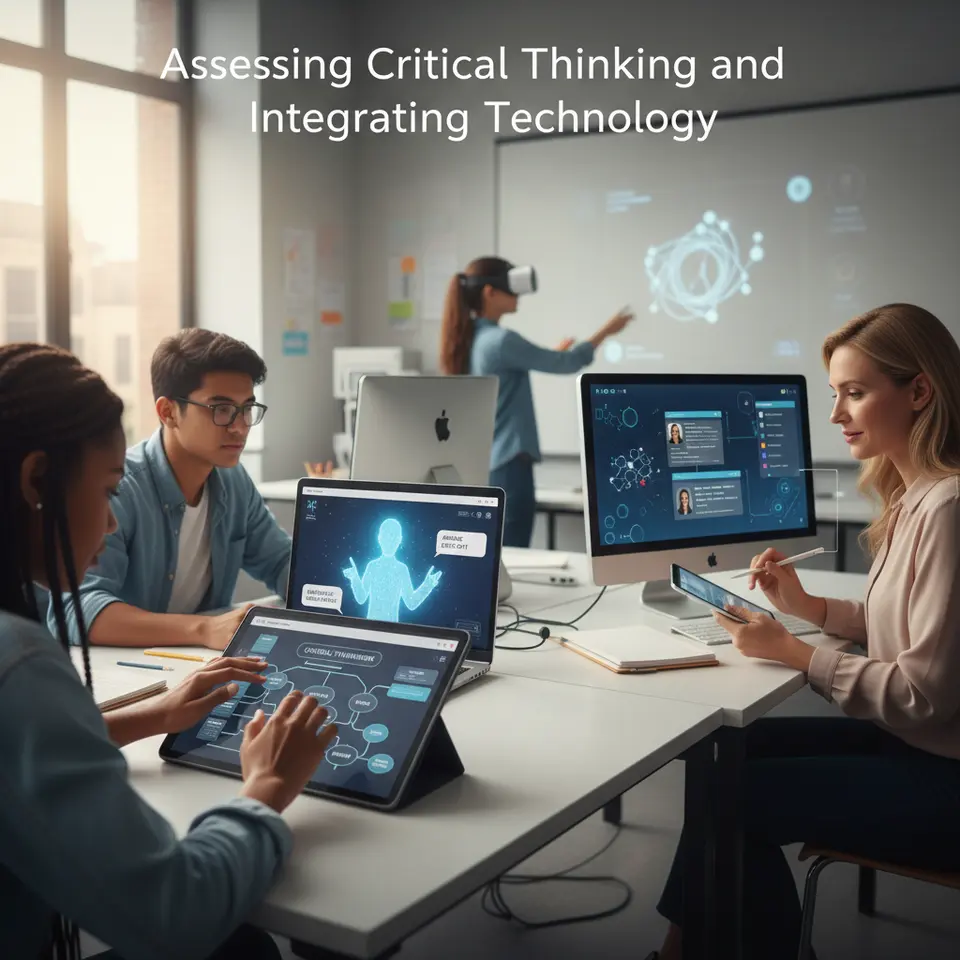
Integrating technology further amplifies assessment and practice opportunities. Digital platforms such as mind-mapping tools enable visualization of complex relationships among ideas, supporting deeper analysis. Online discussion forums allow asynchronous debates where students articulate positions, respond to peers, and revisit posts based on new evidence. Virtual simulations and interactive labs provide safe environments to test hypotheses and learn from iterative failures. Educators must select technology aligned with learning objectives, ensuring tools serve pedagogy rather than overshadow it.
Adaptive learning systems and AI-driven tutors offer personalized feedback tailored to individual performance profiles. These platforms analyze student responses, identify patterns of misconception, and present targeted questions that stretch analytical skills at appropriate levels. By harnessing data-driven insights, teachers can differentiate instruction more efficiently and focus human interaction on higher-order facilitation.
When implemented thoughtfully, these technology integrations enrich traditional assessment strategies. For instance, using a collaborative document editor during a problem-solving session allows teachers to monitor group dynamics and provide real-time coaching. Recording class discussions or student presentations offers material for reflective review and portfolio development. By blending digital and analog methods, educators create a multifaceted assessment ecosystem that captures the full range of critical thinking skills.
Regularly revisiting assessment data and student reflections helps refine instructional practices over time. In professional learning communities, educators can share findings, compare successful approaches, and collaboratively address challenges. Continuous refinement ensures that evaluation methods remain responsive to evolving curricular demands and student needs.
By combining robust assessment tools with strategic technology use, teachers create an environment where critical thinking skills are not only taught but rigorously practiced and measured. This comprehensive approach prepares students to navigate academic demands and real-world complexities effectively.
Frequently Asked Questions
Q: What are the key components of critical thinking skills?
A: Critical thinking comprises analysis, evaluation, inference, explanation, and self-regulation. Educators foster these through metacognitive strategies and structured practice.
Q: How can I integrate critical thinking into my existing lesson plans?
A: Use techniques like Socratic questioning, problem-based learning, collaborative exercises, and reflective journaling. Embedding short think-pair-share activities or exit tickets daily offers regular practice.
Q: What are effective ways to assess students’ critical thinking?
A: Employ performance tasks (debates, case studies, research projects), clear analytic rubrics, peer and self-assessments, and technology tools such as mind-mapping software and adaptive tutors for nuanced feedback.
Conclusion
In summary, fostering critical thinking skills is a multifaceted endeavor that encompasses intentional instruction, diverse strategies, and thoughtful assessment. Today’s educational leaders recognize that developing robust analytical abilities is essential for student success both inside and outside the classroom. By understanding the core components of critical thinking, emphasizing its significance in education, and implementing proven approaches such as Socratic questioning, problem-based learning, collaborative activities, and reflective journaling, instructors can create dynamic environments where learners actively construct meaning and refine their reasoning.
Assessment practices that employ performance tasks, clear rubrics, and peer or self-evaluation reinforce growth and provide actionable feedback. The integration of technology—ranging from mind-mapping software to adaptive learning platforms—further expands opportunities for students to practice, receive tailored guidance, and reflect on their thinking processes. Throughout this year (2026), educators who weave these elements into everyday lessons empower learners to navigate information-rich contexts, solve complex challenges, and engage in informed decision-making.
As the demand for critical thinking skills continues to rise in academic, professional, and civic spheres, teachers hold the key to preparing the next generation of thoughtful problem solvers. By committing to best practices and ongoing refinement, schools can cultivate resilient thinkers capable of meeting the demands of a rapidly changing world. Start implementing these strategies today to transform classroom experiences and equip students with the essential skills for lifelong success.