The job market has changed dramatically over the past decade. Automation is reshaping entire industries, remote work has gone mainstream, and new technologies emerge faster than most people can keep up with. With so much disruption, it’s fair to ask a tough question: does higher education still hold the value it once did?
The short answer is yes—but the reasons are more nuanced than they used to be. Higher education isn’t just about earning a degree to hang on the wall. It’s about building the skills, networks, and adaptability that help you thrive in a workforce that rewards continuous growth. From critical thinking to specialized expertise, the benefits extend far beyond your first job offer.
This post breaks down why higher education matters today, how it stacks up against the rise of alternative learning paths, and what role emerging tools like AI play in shaping the future of learning. Whether you’re a student weighing your options or a professional considering a return to study, you’ll walk away with a clearer picture of what higher education can offer.
What Higher Education Really Offers
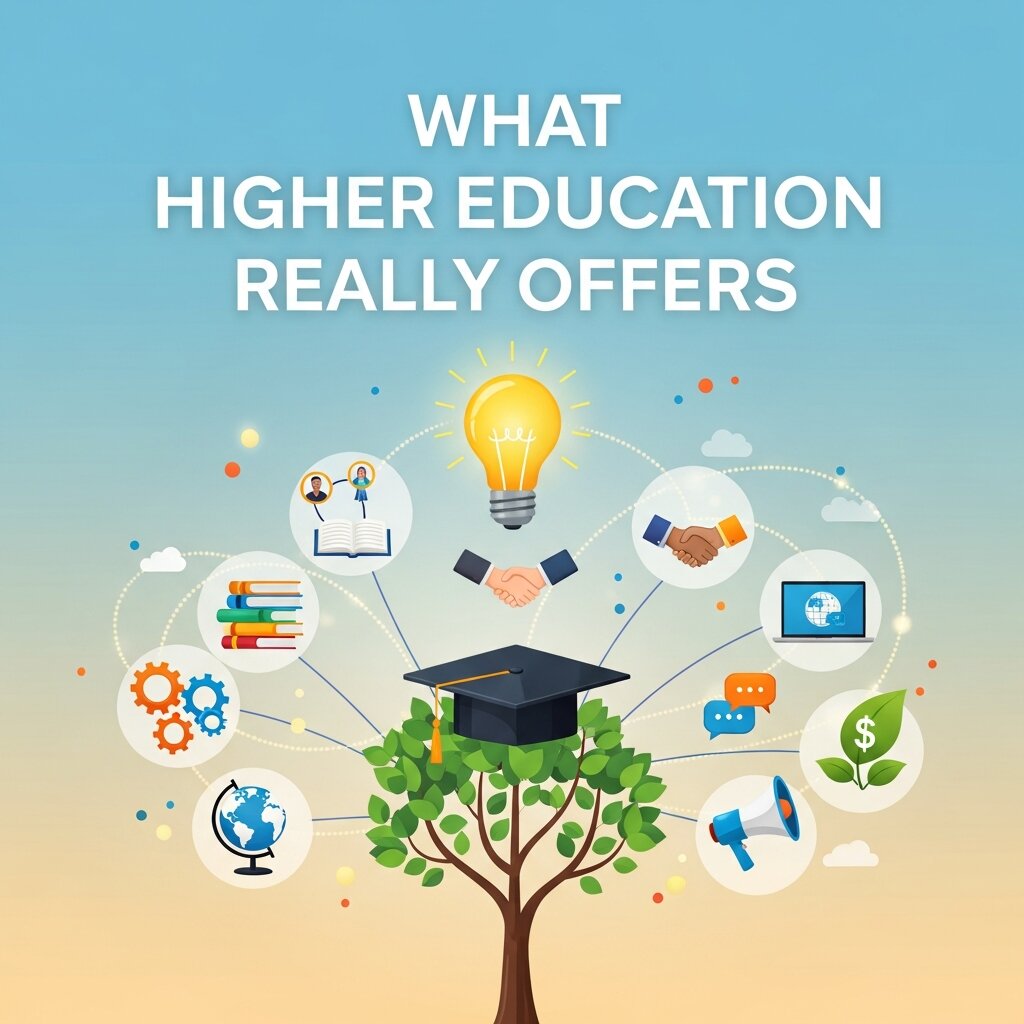 A college or university degree is often viewed as a ticket to a better salary. And the data backs that up—graduates with a bachelor’s degree consistently earn more over their lifetimes than those without one. But reducing higher education to a paycheck misses the bigger picture.
Higher education teaches you how to learn. You’re exposed to complex problems, conflicting viewpoints, and subjects that stretch beyond your comfort zone. Over time, this builds the kind of analytical thinking that employers value in any field. You learn to research, question assumptions, and communicate your ideas clearly.
There’s also the matter of specialized knowledge. Careers in medicine, law, engineering, and science still require deep, structured study that’s hard to replicate through informal learning alone. For these fields, higher education isn’t optional—it’s the foundation.
Building Skills That Outlast Trends
Technical skills can become outdated quickly. What’s in demand today might be automated tomorrow. That’s why the “soft” skills you develop in higher education matter so much.
Throughout a degree, you practice:
- Critical thinking: Analyzing information and forming reasoned conclusions
- Communication: Writing essays, giving presentations, and defending your ideas
- Collaboration: Working with diverse teams on group projects
- Time management: Juggling deadlines, exams, and competing priorities
These abilities don’t expire. They transfer across roles and industries, making you more resilient when the job market shifts.
Expanding Your Professional Network
Who you know often matters as much as what you know. Higher education connects you with peers, professors, alumni, and industry contacts you might never meet otherwise. These relationships can open doors to internships, mentorships, and job opportunities for years to come.
Many universities also host career fairs, networking events, and partnerships with employers. These connections give students a head start that’s tough to find anywhere else.
How the Competitive Job Market Raises the Stakes
Employers today have their pick of candidates. A growing number of applicants hold degrees, which means a qualification can be the difference between landing an interview and getting passed over. In many professional fields, a degree is now the baseline expectation rather than a standout achievement.
This shift puts pressure on job seekers to differentiate themselves. Higher education helps by signaling commitment, discipline, and a proven ability to complete challenging work. It tells employers you can set a long-term goal and see it through.
Beyond the credential itself, higher education often leads to better long-term career mobility. Graduates tend to have more opportunities for promotion and are better positioned to pivot into new roles as their industries evolve.
The Earning Gap Is Real
Income statistics paint a clear picture. Workers with higher education degrees typically earn more and experience lower unemployment rates than those without. During economic downturns, degree holders also tend to recover faster.
That financial stability compounds over time. Higher earnings early in a career can mean more savings, less debt stress, and greater flexibility to take risks—like starting a business or switching fields entirely.
The Rise of AI in Education
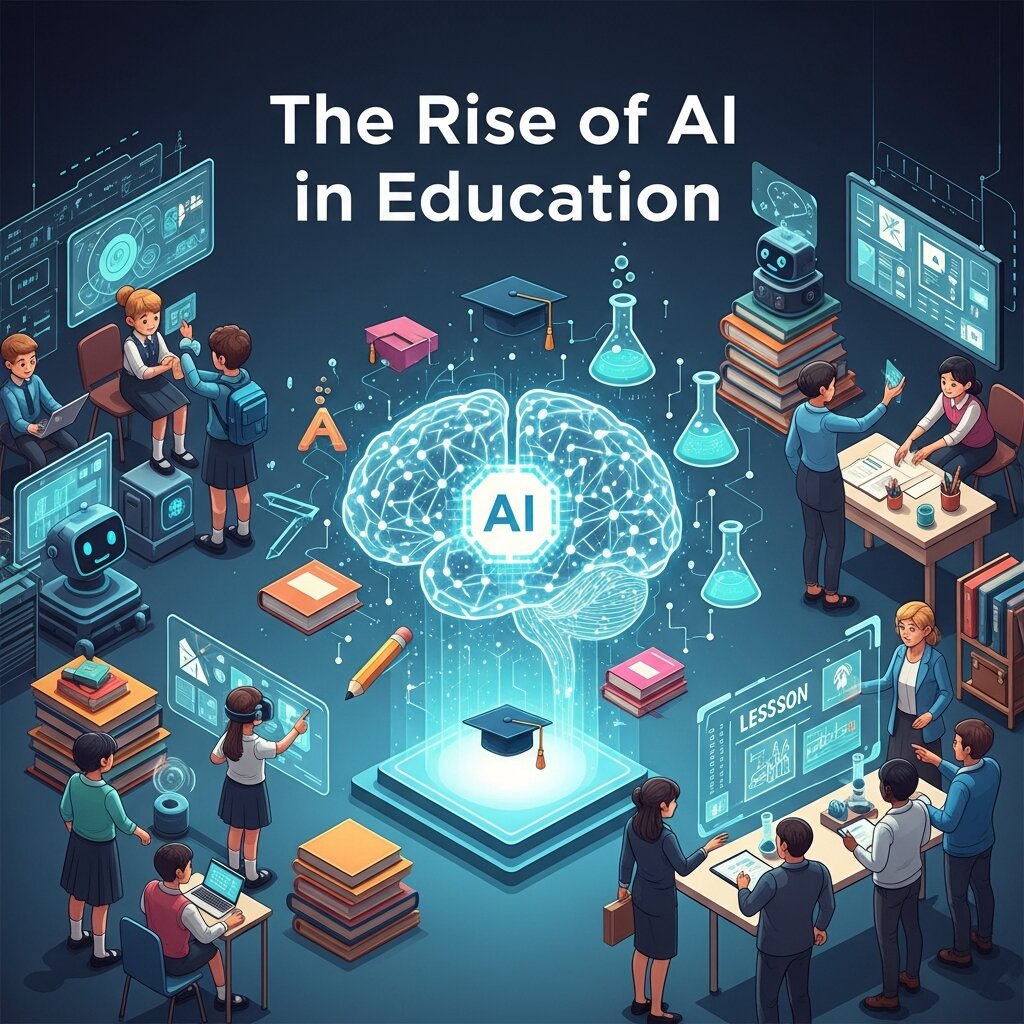 One of the biggest changes reshaping learning is the growing role of AI in education. Universities and online platforms alike are weaving artificial intelligence into the way students learn, study, and get support.
AI tools can personalize learning in ways that weren’t possible before. Instead of a one-size-fits-all curriculum, students can receive content tailored to their pace and skill level. This makes education more accessible and helps learners who might otherwise fall behind.
How a Self-Learning AI Chatbot Supports Students
A self-learning AI chatbot is one example of how technology is changing the classroom. These chatbots can answer questions around the clock, explain difficult concepts in different ways, and guide students through practice problems.
For learners who struggle to ask questions in a crowded lecture hall, this kind of support can be a game-changer. The chatbot adapts to each student, offering instant feedback and freeing up instructors to focus on more complex teaching tasks.
Of course, AI isn’t a replacement for human educators. It works best as a complement—handling routine questions while teachers provide mentorship, motivation, and deeper guidance that machines can’t replicate.
Blending AI With Traditional Learning
The most effective approach combines the strengths of both. Traditional higher education offers structure, accreditation, and human connection. AI brings flexibility, personalization, and accessibility.
Together, they create a richer learning experience. A student might attend lectures and seminars while using AI tools to review material, test their knowledge, and study on their own schedule. This hybrid model is quickly becoming the norm rather than the exception.
Alternative Paths and How They Compare
Higher education isn’t the only route to a successful career. Bootcamps, certifications, and online courses have grown rapidly, offering faster and often cheaper paths into certain fields. For tech roles especially, these alternatives can lead to solid jobs without a four-year commitment.
So how do you decide? It depends on your goals.
- Choose higher education if you’re entering a regulated profession, value a broad foundation of knowledge, or want the long-term network and credential a degree provides.
- Consider alternatives if you’re targeting a specific technical skill, need to enter the workforce quickly, or want to keep costs low.
Neither path is universally better. The right choice depends on your career goals, financial situation, and learning style.
The Role of E-Learning and Consultants
The growth of online education has created new ways to learn on your terms. Many people now turn to a consultant e learning service to guide their decisions—helping them choose programs, build study plans, and navigate the overwhelming number of options available.
These consultants bridge the gap between learners and the right resources. For working professionals juggling jobs and study, that kind of personalized guidance can make all the difference. It removes guesswork and helps people invest their time and money wisely.
E-learning platforms also make higher education more flexible than ever. Students can earn degrees and certifications remotely, fitting study around work and family commitments. This flexibility has opened doors for people who couldn’t attend traditional campuses.
How to Make the Most of Higher Education
If you decide higher education is right for you, getting the most out of it takes more than showing up to class. Here’s how to maximize the value of your investment.
Choose a field with intention: Research career outcomes, salary expectations, and demand before committing. A degree aligned with your goals pays off more than one chosen at random.
Build relationships actively: Attend events, join clubs, and connect with professors and peers. Your network is one of the most valuable assets you’ll gain.
Embrace new learning tools: Use AI in education to supplement your studies. A self-learning AI chatbot or online platform can deepen your understanding and keep you on track.
Gain real-world experience: Internships, part-time work, and projects turn classroom theory into practical skills. Employers want graduates who can hit the ground running.
Keep learning after graduation: A degree is a starting point, not a finish line. The most successful professionals never stop developing their skills.
Future Job Skills Employers Will Value
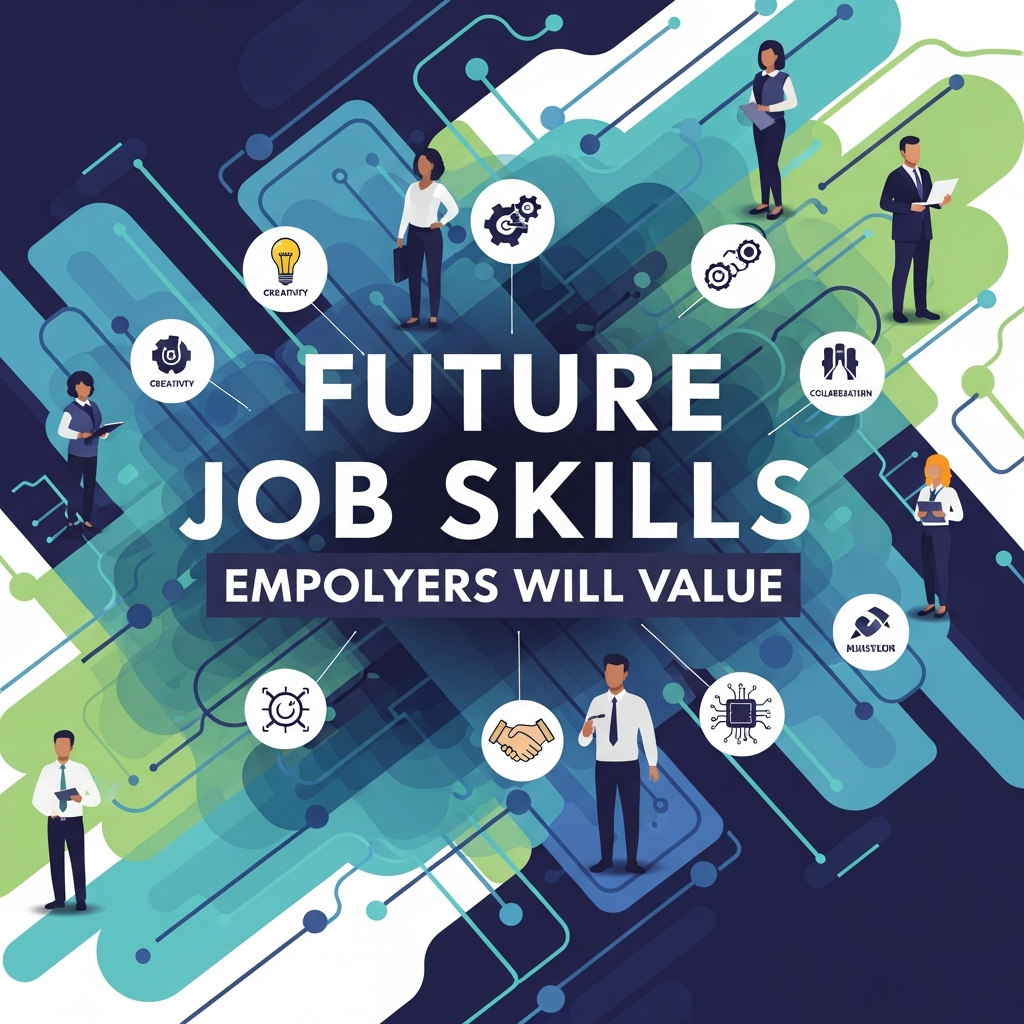 The future job market will increasingly reward a mix of technical and human centered skills as automation continues to reshape industries across the world. Employers will look for individuals who can adapt quickly to new technologies while also demonstrating strong problem solving communication and collaboration abilities in dynamic environments. Soft skills such as creativity emotional intelligence and critical thinking will remain highly valuable even as AI tools become more advanced in everyday workflows. In addition continuous learning will be essential since workers will need to update their knowledge regularly to stay relevant in fast changing industries worldwide. Educational systems and training programs evolve to focus more on practical experience project based learning and interdisciplinary approaches that mirror real world challenges.
Lifelong Learning in the Digital Era
The modern world requires lifelong learning as skills and knowledge rapidly become outdated due to technological advancement and global competition. Professionals must continuously upgrade their abilities through online courses certifications workshops and self directed study to remain competitive in evolving industries. Digital platforms make learning more accessible than ever allowing people from different backgrounds to gain new skills without traditional classroom barriers. This flexibility enables workers to balance education with full time jobs, family responsibilities and personal commitments effectively. However success in lifelong learning depends on discipline motivation and the ability to apply knowledge in real situations rather than just consuming information passively over time. AI tools and mentors further support personalized growth and continuous skill development worldwide today effectively
FAQ: Higher Education
1. Is higher education still important in today’s job market?
Yes, higher education remains important because it builds essential skills, professional networks, and long-term career stability. Even with changing job markets, employers still value degrees as proof of discipline, knowledge, and commitment today worldwide context.
2. Which matters more: a degree or skills?
Both matter, but skills often matter slightly more in practical work. A degree provides foundation and credibility, while skills ensure performance, adaptability, and success across evolving industries and real-world professional environments every single day today.
3. What skills does higher education develop?
Higher education develops critical thinking, communication, teamwork, research ability, and time management. These skills help individuals solve problems, adapt quickly, and perform effectively across various careers and industries throughout their professional lives very consistently today.
4. Do all careers require a degree?
No. Many careers such as tech, marketing, and design allow alternative learning paths like certifications or bootcamps. However, regulated fields like medicine, law, and engineering still require formal degrees for practice in most cases today.
5. Will AI reduce the importance of higher education?
No. AI is transforming education by making learning more personalized and efficient, but it cannot replace human teachers, structured programs, and real-world academic guidance that universities continue to provide for students and professionals alike today.
6. How do AI tools help students?
AI chatbots can help students by explaining complex topics, answering questions instantly, providing practice support, and improving overall understanding. They act as learning assistants available anytime for academic guidance and revision very effectively always today.
7. Can online learning replace a university degree?
Online learning can replace degrees in some skill-based fields like programming or design, but traditional degrees still hold strong value for credibility, research depth, and long-term career development in most professional industries today overall globally.
8. What is the biggest benefit of higher education?
The biggest benefit of higher education is long-term career stability, higher earning potential, and better access to opportunities, networks, and professional growth across different industries over time which improves financial and personal success overall greatly.
9. How can students get the most out of higher education?
Students can maximize higher education by choosing the right field, building strong relationships, gaining practical experience through internships, and using modern tools like AI to enhance learning efficiency for better career readiness and success today.
10. What is the future of education?
The future of education is a hybrid model combining traditional learning, AI-powered tools, and e-learning platforms, creating more flexible, personalized, and accessible learning experiences for all students worldwide in modern digital age education globally today.
The Bottom Line on Higher Education
Higher education remains one of the most reliable ways to build a rewarding career—but its value comes from more than the degree itself. The skills, networks, and adaptability you develop can carry you through a job market that never stops changing.
At the same time, the way we learn is evolving fast. AI in education, e-learning platforms, and personalized guidance are making knowledge more accessible than ever. The smartest learners will blend the structure of traditional education with the flexibility of these new tools.