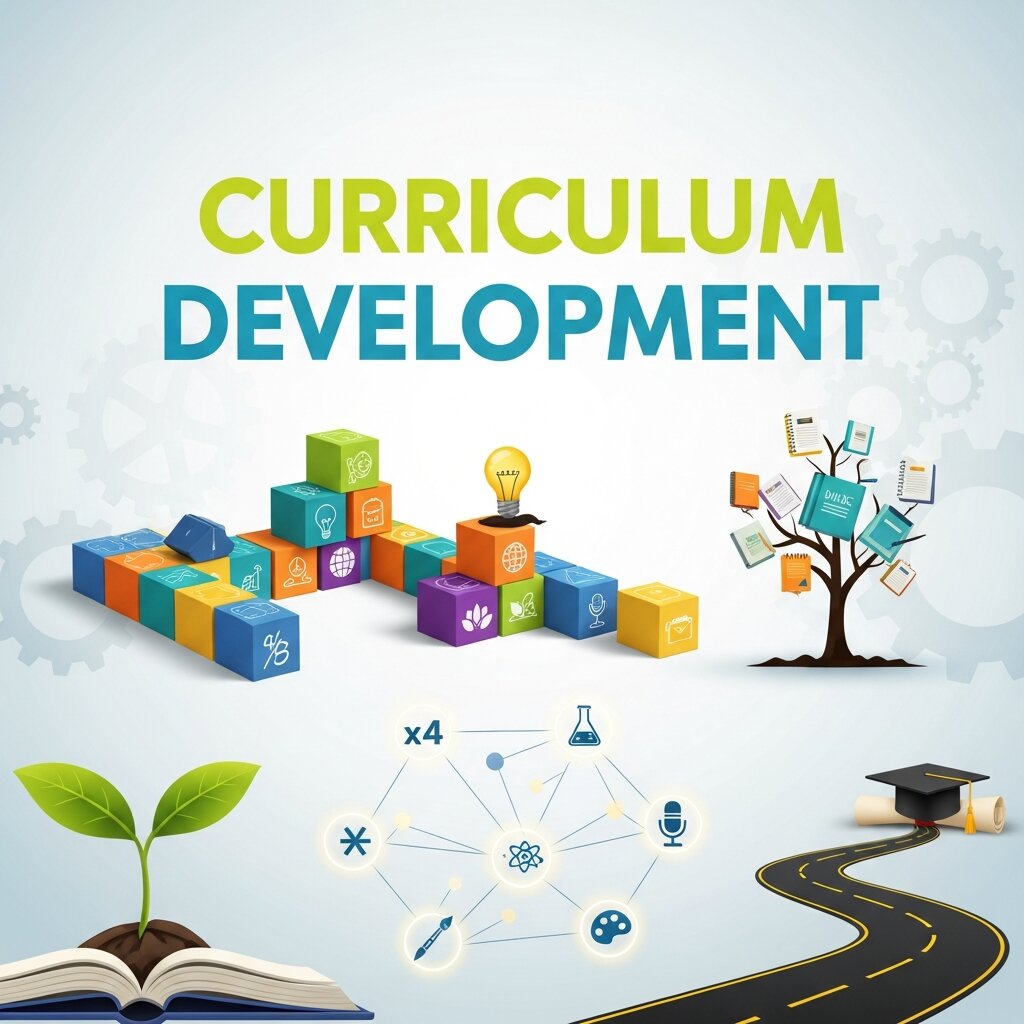
Education rarely stands still. Classrooms evolve, student needs shift, and the skills that defined success a decade ago may have little relevance today. At the center of all this change sits curriculum development—the process of designing, implementing, and refining what gets taught, how it gets taught, and why it matters.
Whether you work in K-12 education, higher education, or corporate training, understanding curriculum development is essential for building learning experiences that actually deliver results. This post breaks down the core principles that guide effective curriculum design, the real-world challenges educators and institutions face, and the trends reshaping what the future of learning looks like.
By the end, you’ll have a clear picture of how modern curriculum development works—and what it takes to do it well.
What Is Curriculum Development—and Why Does It Matter?
Curriculum development is the structured process of creating, evaluating, and improving educational programs. It goes beyond selecting textbook chapters or writing lesson plans. At its core, it’s about making deliberate, research-backed decisions about learning objectives, content sequencing, instructional strategies, and assessment methods.
The stakes are high. A well-designed curriculum improves student engagement, promotes deeper understanding, and equips learners with skills that transfer beyond the classroom. A poorly designed one? It can lead to disengagement, knowledge gaps, and graduates who are underprepared for the world they’re entering.
In higher education, curriculum development takes on even greater complexity. Universities must balance academic rigor with industry relevance, meet accreditation requirements, support diverse learner populations, and respond to rapid shifts in the labor market—all at the same time.
The Core Principles of Effective Curriculum Design
Strong curriculum development doesn’t happen by accident. It follows a set of guiding principles that help educators build coherent, purposeful, and inclusive learning experiences.
Alignment Between Goals, Content, and Assessment
One of the most foundational principles is alignment—ensuring that what you teach, how you teach it, and how you assess it all point toward the same learning objectives. This concept, often referred to as “constructive alignment,” was formalized by educational researcher John Biggs. When alignment breaks down, students may study one thing but be tested on another, leading to frustration and shallow learning.
Learner-Centered Design
Effective curricula start with the learner, not the content. This means considering prior knowledge, learning preferences, cultural backgrounds, and the real-world contexts in which students will apply what they learn. Learner-centered design shifts the focus from “what will we cover?” to “what will students be able to do?”
Coherence and Progression
Content should build logically from foundational concepts to more complex ideas. Without coherent sequencing, students often encounter new material without the conceptual scaffolding they need to understand it. Curriculum developers spend significant time mapping out how knowledge and skills should develop across units, courses, and years.
Relevance and Real-World Application
 A curriculum that feels disconnected from real life struggles to motivate learners. Incorporating authentic tasks, case studies, and industry-relevant examples gives students a reason to engage. This is particularly important in higher education, where students are often weighing the practical value of their degree against significant financial investment.
Continuous Improvement Through Evaluation
No curriculum is ever truly “finished.” Ongoing evaluation—gathering data from assessments, student feedback, and graduate outcomes—helps educators identify what’s working and what needs refinement. The best institutions treat curriculum development as a cycle, not a one-time project.
Major Challenges in Curriculum Development
Even with strong principles in place, curriculum development is rarely smooth. Educators and institutions face a range of persistent challenges that can slow progress or compromise quality.
Keeping Pace With a Changing World
Knowledge evolves quickly. New research, emerging technologies, and shifting industry needs can render curriculum content outdated faster than revision cycles allow. This is especially acute in fields like computer science, healthcare, and business, where the gap between what’s taught and what’s practiced can widen within just a few years.
Balancing Breadth and Depth
There’s only so much time in a course or program. Curriculum developers constantly wrestle with how much to cover versus how deeply to explore specific areas. Covering too much leads to surface-level learning; narrowing too far can leave students with blind spots. Finding the right balance requires both content expertise and a clear understanding of program goals.
Addressing Diverse Learner Needs
Modern classrooms are more diverse than ever—culturally, linguistically, and in terms of prior knowledge and learning ability. Designing a curriculum that serves all learners well, without defaulting to a one-size-fits-all approach, demands intentionality and often significant resource investment.
Resistance to Change
Curriculum revision can meet institutional resistance. Faculty may feel attached to existing course structures. Administrators may be cautious about the cost and disruption of large-scale changes. Overcoming this inertia requires clear communication, evidence of need, and inclusive stakeholder involvement throughout the process.
Assessment Design
Designing assessments that genuinely measure learning—rather than just recall—is harder than it sounds. Many institutions still rely heavily on high-stakes exams that reward memorization over critical thinking. Shifting toward more authentic, competency-based assessment is a priority for many curriculum teams, but it requires time, training, and often a cultural shift within the institution.
How Higher Education Is Rethinking Curriculum Development
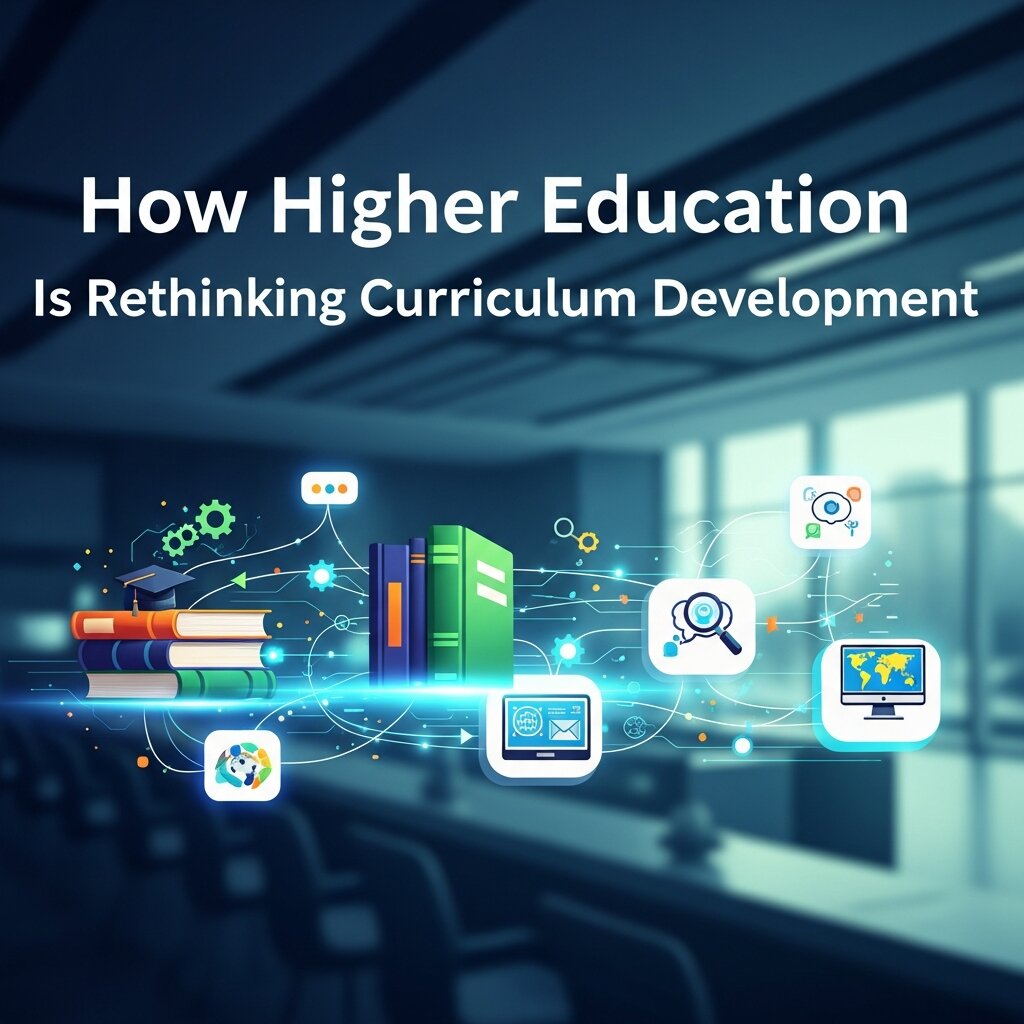 Universities and colleges are under growing pressure to modernize their curricula. Employer surveys consistently show that graduates often lack the soft skills—critical thinking, communication, collaboration—that workplaces actually need. Meanwhile, rising tuition costs have made students more discerning consumers of education, demanding programs that offer tangible career value.
In response, many higher education institutions are moving toward competency-based education (CBE), where progression is tied to demonstrated mastery rather than time spent in class. Others are building interdisciplinary programs that cross traditional departmental boundaries, preparing students for complex, real-world problems that don’t fit neatly into a single subject area.
Industry partnerships are also playing a bigger role. Co-designed curricula—where educators and employers collaborate on learning outcomes and assessments—are gaining traction in fields ranging from engineering to healthcare. These partnerships help close the gap between academic theory and professional practice.
The Future of Curriculum Development: Trends to Watch
Looking ahead, several forces are converging to reshape how curricula are designed and delivered.
AI in Education
Artificial intelligence is beginning to change both the content of curricula and the tools used to develop them. AI-powered platforms can analyze large datasets of student performance to identify learning gaps, suggest personalized learning pathways, and even flag areas of the curriculum that consistently produce poor outcomes. Beyond analytics, AI in education is also becoming a subject in its own right—prompting curriculum developers to ask how AI literacy should be integrated across disciplines.
Mobile Learning Apps and Flexible Delivery
The rise of mobile learning apps has fundamentally changed learner expectations. Students expect to access content anywhere, at any time, on any device. This shift is pushing curriculum developers to rethink how material is structured and delivered—moving away from lecture-heavy formats toward modular, bite-sized content that supports self-paced learning. Microlearning, which breaks complex topics into focused, digestible units, is one of the fastest-growing approaches in both higher education and professional development.
Personalized Learning Pathways
One-size-fits-all curriculum design is giving way to more adaptive approaches. Technology now makes it possible to offer learners different routes through the same material, based on their performance, preferences, and goals. Personalized learning doesn’t eliminate the core curriculum—it allows learners to engage with it in ways that fit how they actually learn.
Sustainability and Global Competency
There’s growing recognition that future-ready graduates need more than technical skills. Curricula across sectors are increasingly incorporating sustainability, global citizenship, and cross-cultural competency as core learning outcomes. This reflects a broader shift toward educating not just capable workers, but informed, responsible participants in a complex global society.
Data-Driven Curriculum Improvement
Institutions are investing in learning analytics to make curriculum decisions based on evidence rather than intuition. By tracking how students move through a program—where they struggle, where they excel, and where they drop off—curriculum developers can make targeted, meaningful improvements rather than sweeping revisions based on guesswork.
Digital Transformation in Curriculum Design
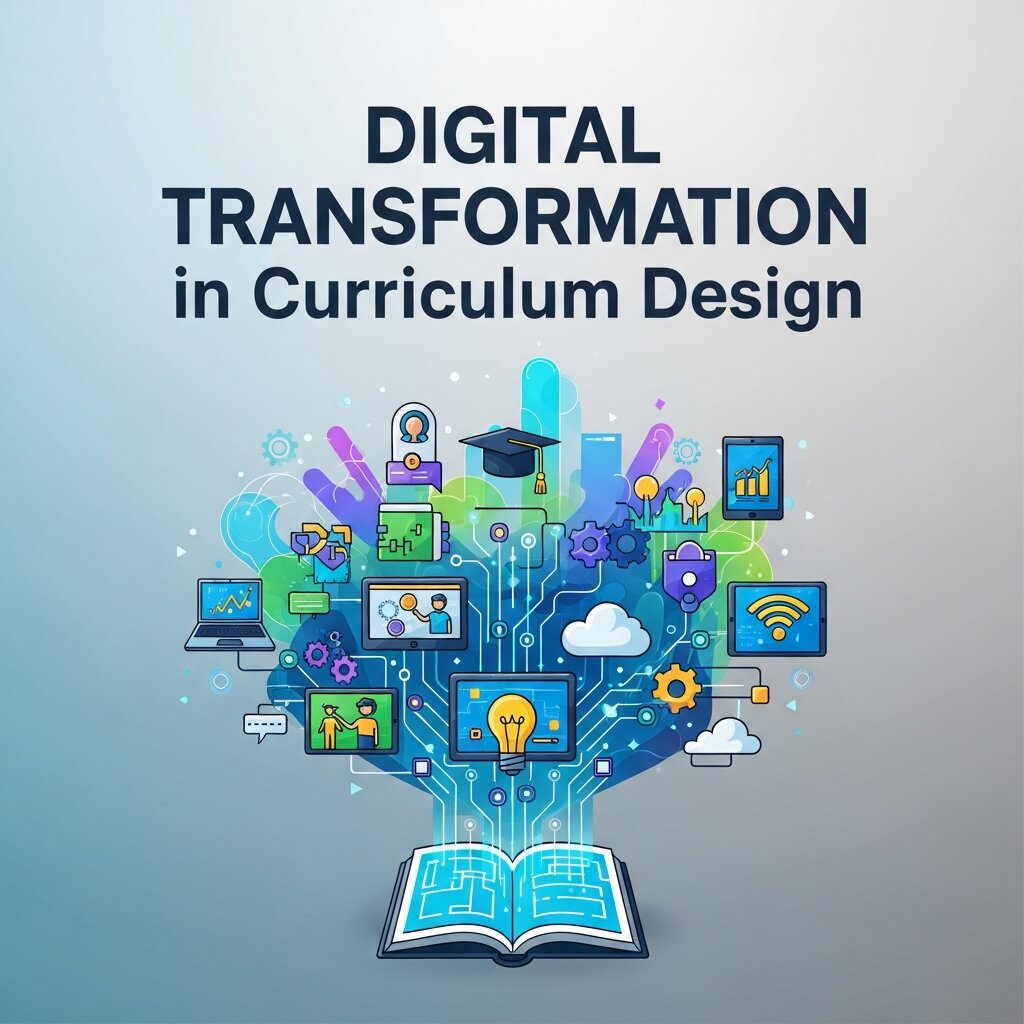 Digital transformation is reshaping curriculum design across all levels of education. From K-12 classrooms to universities and corporate training programs, digital tools enable educators to create flexible and interactive learning experiences. Learning management systems, AI-powered analytics, and cloud-based platforms help track student progress in real time and improve curriculum decisions. Instead of static syllabi, curricula can now evolve continuously based on learner needs and industry changes.
Digital resources also support blended and online learning models, making education more accessible worldwide. However, successful integration requires careful planning, teacher training, and clear strategies so technology enhances learning effectively without replacing pedagogy. We must ensure continuous evaluation and alignment with learning outcomes in modern curriculum systems. This approach improves overall educational quality significantly.
Role of Teachers as Curriculum Designers
Teachers are no longer just content deliverers; they are becoming active curriculum designers in modern education systems. They contribute to shaping learning objectives, selecting relevant materials, and adapting lessons based on student needs and classroom realities. Their classroom experience helps ensure that curriculum design remains practical, engaging, and aligned with real-world teaching challenges. When teachers participate in curriculum development, they provide valuable insights into student behavior, learning gaps, and effective assessment methods.
This collaboration between educators and curriculum developers leads to more responsive and inclusive educational programs. It also increases teacher ownership, motivation, and long-term commitment to improving instructional quality. Professional development and training are essential to equip teachers with curriculum design skills for evolving educational demands. This strengthens outcomes.
Building Curricula That Are Ready for What’s Next
Curriculum development has never been a static discipline, but the pace of change it faces today is unlike anything previous generations of educators encountered. The principles that underpin great curriculum design—alignment, learner-centricity, coherence, and continuous improvement—remain as relevant as ever. What’s changing is the context in which they’re applied.
The institutions and educators who will lead in the years ahead are those who treat curriculum not as a fixed document, but as a living system—one that responds to new knowledge, new learner needs, and new ways of understanding what education is actually for.