Every educator wants the same thing: students who are curious, engaged, and confident in what they’re learning. But getting there isn’t always simple. Classrooms are more diverse than ever, attention spans are stretched thin, and technology keeps changing the way knowledge is delivered. So how do you create learning experiences that actually stick?
The answer lies in a mix of proven teaching strategies and smart use of modern tools. From personalized instruction to mobile learning apps, today’s educators have more resources than ever to support meaningful student learning. The challenge is knowing which practices make the biggest difference—and how to put them into action.
This guide breaks down practical, research-backed strategies for enhancing student learning across all levels, with a special focus on higher education. Whether you’re a teacher, professor, or instructional designer, you’ll find actionable tips to help your students thrive.
Why Student Learning Experiences Matter More Than Ever
Learning is no longer confined to lectures and textbooks. Students absorb information through videos, apps, group projects, and real-world problem-solving. When learning experiences are thoughtfully designed, students retain more, participate more, and feel more motivated to keep going.
Poorly designed experiences have the opposite effect. Boredom, confusion, and disengagement lead to lower grades and higher dropout rates—especially in higher education, where students juggle coursework with jobs, families, and other responsibilities. Improving the quality of student learning isn’t just nice to have. It directly shapes outcomes, retention, and long-term success.
The good news? Small, intentional changes can have a big impact. Let’s explore the strategies that work.
Create a Student-Centered Learning Environment
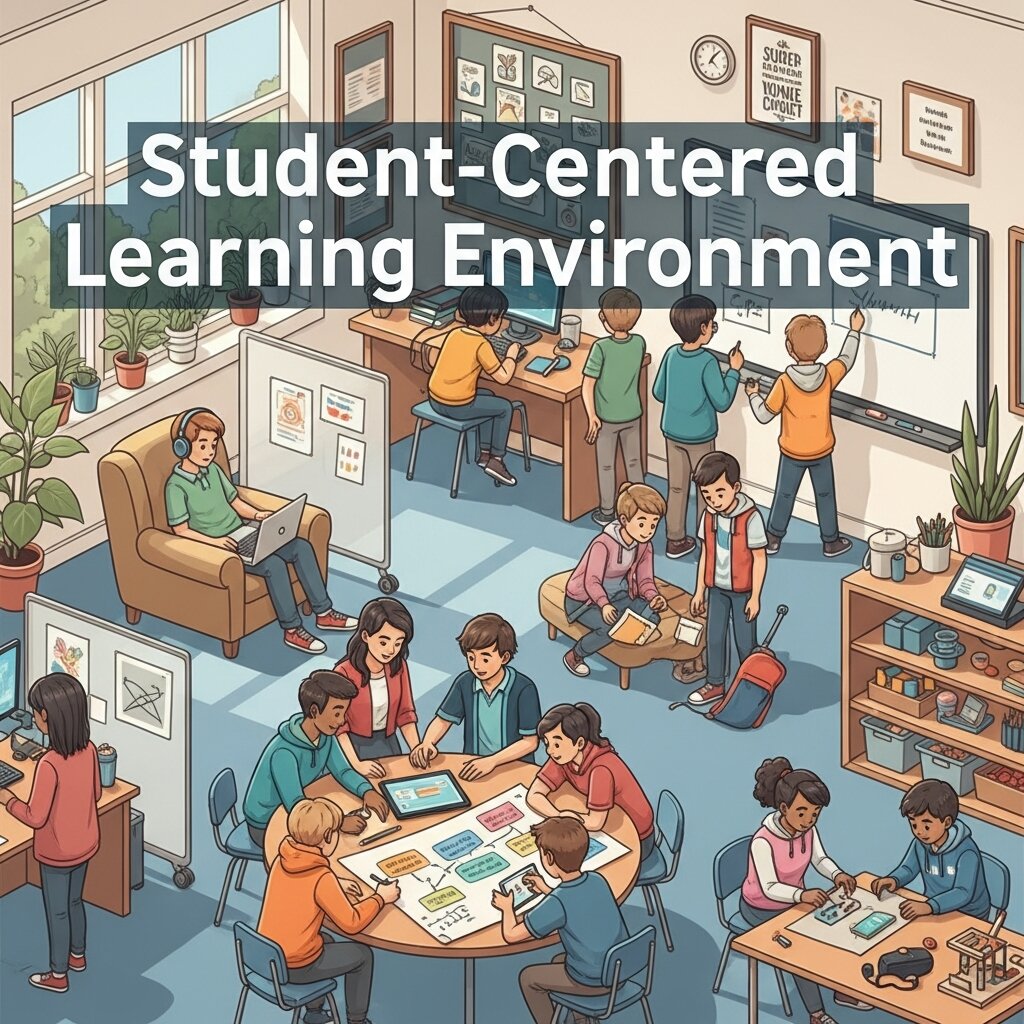 The most effective classrooms put students at the center, not the teacher. This means shifting from a “sage on the stage” model to one where students take an active role in their own education.
Encourage active participation
Passive listening rarely leads to deep understanding. Active learning—through discussion, debate, hands-on activities, and problem-solving—helps students process and apply what they learn. Try replacing long lectures with short bursts of instruction followed by group activities or quick exercises. This keeps energy high and gives students a chance to test their understanding in real time.
Build a sense of belonging
Students learn better when they feel they belong. Simple actions go a long way: learning names, creating space for questions, and acknowledging different perspectives. When students feel respected and included, they’re more willing to take risks, ask for help, and stay engaged.
Offer choice and autonomy
Giving students some control over how they learn boosts motivation. Let them choose between project formats, pick topics that interest them, or set their own learning goals. Autonomy signals trust, and trust encourages ownership of the learning process.
Personalize the Learning Experience
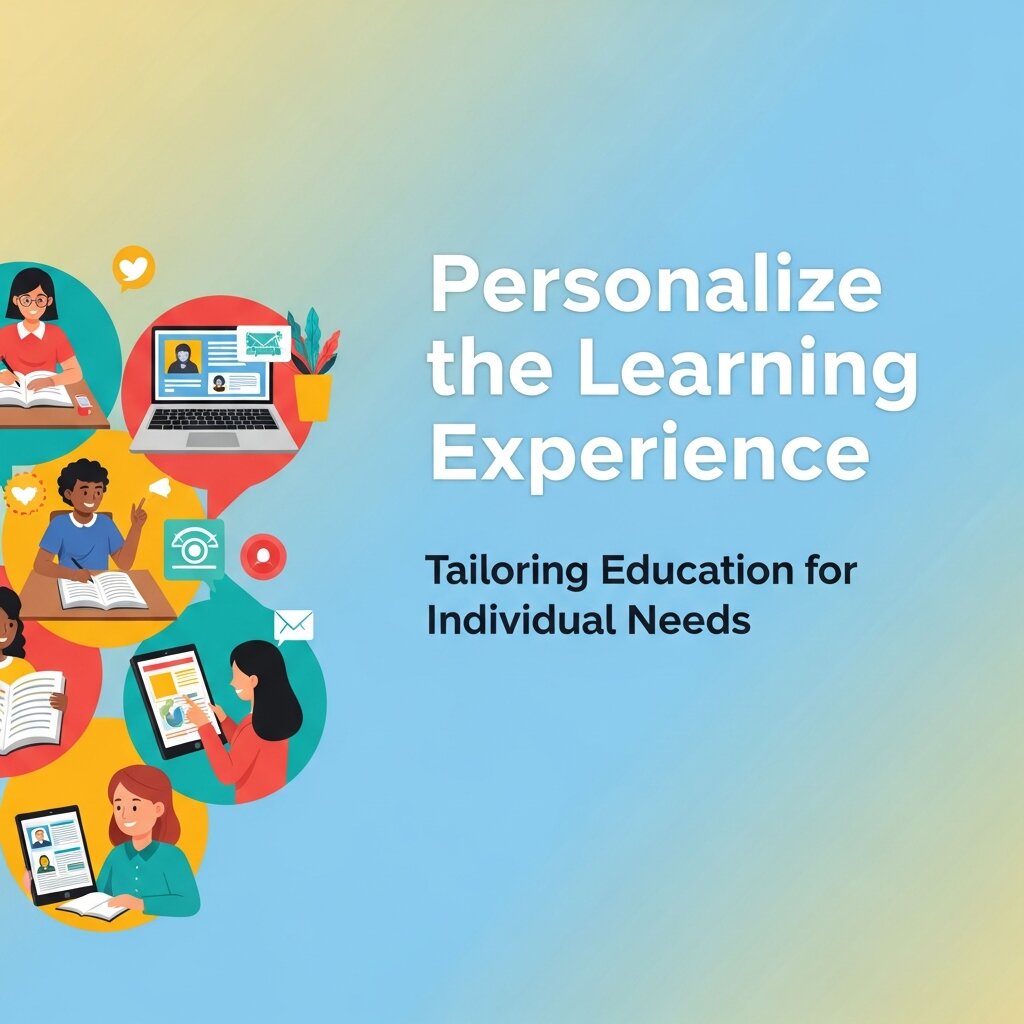 No two students learn exactly the same way. Some thrive with visuals, others with hands-on practice, and still others through reading and writing. Personalized learning meets students where they are, rather than forcing everyone through the same one-size-fits-all approach.
Use formative assessments
Frequent, low-stakes assessments—like quick quizzes, polls, or exit tickets—help you understand where each student stands. Instead of waiting for a final exam to reveal gaps, you can adjust your teaching on the fly. This continuous feedback loop keeps students from falling behind.
Differentiate instruction
Differentiation means tailoring content, process, and assessment to meet varied needs. For a single lesson, you might offer a reading for some students, a video for others, and a hands-on activity for the rest. The goal is the same learning outcome, reached through different paths.
Leverage AI in education
Artificial intelligence is transforming how educators personalize learning. AI in education powers adaptive platforms that adjust difficulty based on each student’s performance, recommend resources, and even flag students who may be struggling. Tools like intelligent tutoring systems can provide instant feedback at scale, giving every student a more customized experience without overloading instructors. Used thoughtfully, AI frees up teachers to focus on the human side of teaching—mentoring, motivating, and connecting.
Embrace Technology to Support Student Learning
Technology, when used intentionally, opens doors that traditional methods can’t. The key is to choose tools that enhance learning rather than distract from it.
Integrate mobile learning apps
Students already live on their phones, so meeting them there makes sense. Mobile learning apps let students review material, complete assignments, and access resources anytime, anywhere. Apps that include flashcards, microlessons, and progress tracking are especially effective for reinforcing concepts between classes. For commuter students and adult learners in higher education, mobile learning offers flexibility that fits busy lives.
Use multimedia content
Mixing formats keeps learning fresh. Combine videos, infographics, podcasts, and interactive simulations to appeal to different learning preferences. Multimedia also helps explain complex ideas—a short animation can clarify a concept that would take pages of text to describe.
Try blended and flipped learning
Blended learning combines online and in-person instruction, while flipped learning has students review material at home and use class time for discussion and practice. Both models give students more control over the pace of their learning and free up valuable face-to-face time for deeper engagement. In higher education, these approaches are especially powerful, allowing students to learn foundational content independently and reserve class time for collaboration.
Foster Collaboration and Community
Learning is inherently social. When students work together, they learn from one another, develop communication skills, and build the kind of community that keeps them motivated.
Design meaningful group work
Group projects can fall flat when roles are unclear or one person does all the work. Set clear expectations, assign defined roles, and build in individual accountability. Well-structured collaboration teaches teamwork while reinforcing course content.
Encourage peer teaching
There’s no better way to learn something than to teach it. Have students explain concepts to each other, review one another’s work, or lead small group discussions. Peer teaching deepens understanding for both the teacher and the learner.
Create discussion opportunities
Whether in person or online, discussion forums give students space to share ideas, ask questions, and challenge assumptions. In higher education, asynchronous online discussions are particularly valuable, letting students reflect and contribute on their own schedule.
Provide Timely and Meaningful Feedback
Feedback is one of the most powerful drivers of student learning—but only when it’s specific, timely, and actionable. Vague comments like “good job” or “needs work” don’t help students improve.
Make feedback specific and actionable
Tell students exactly what they did well and what they can do better. Instead of “improve your analysis,” try “strengthen your argument by adding two pieces of evidence in the second paragraph.” Specific feedback gives students a clear path forward.
Deliver feedback quickly
The sooner students receive feedback, the more useful it is. When too much time passes, the lesson loses relevance and students have already moved on. Aim to return work promptly, and use tools that automate routine feedback so you can focus on more complex guidance.
Encourage self-reflection
Help students assess their own progress. Reflection prompts, learning journals, and self-evaluation rubrics teach students to recognize their strengths and weaknesses. This builds metacognition—the ability to think about one’s own thinking—which is a key skill for lifelong learning.
Set Clear Goals and Expectations
Students perform best when they know exactly what’s expected of them. Ambiguity creates anxiety and confusion, while clarity builds confidence.
Communicate learning objectives
Start each lesson, unit, or course by stating what students will be able to do by the end. Clear objectives give students a roadmap and help them understand the purpose behind each activity.
Use rubrics and examples
Rubrics spell out how work will be evaluated, removing guesswork. Pair them with examples of strong work so students can see what success looks like. This transparency helps students aim higher and self-assess as they go.
The Importance of Student Engagement in Learning Success
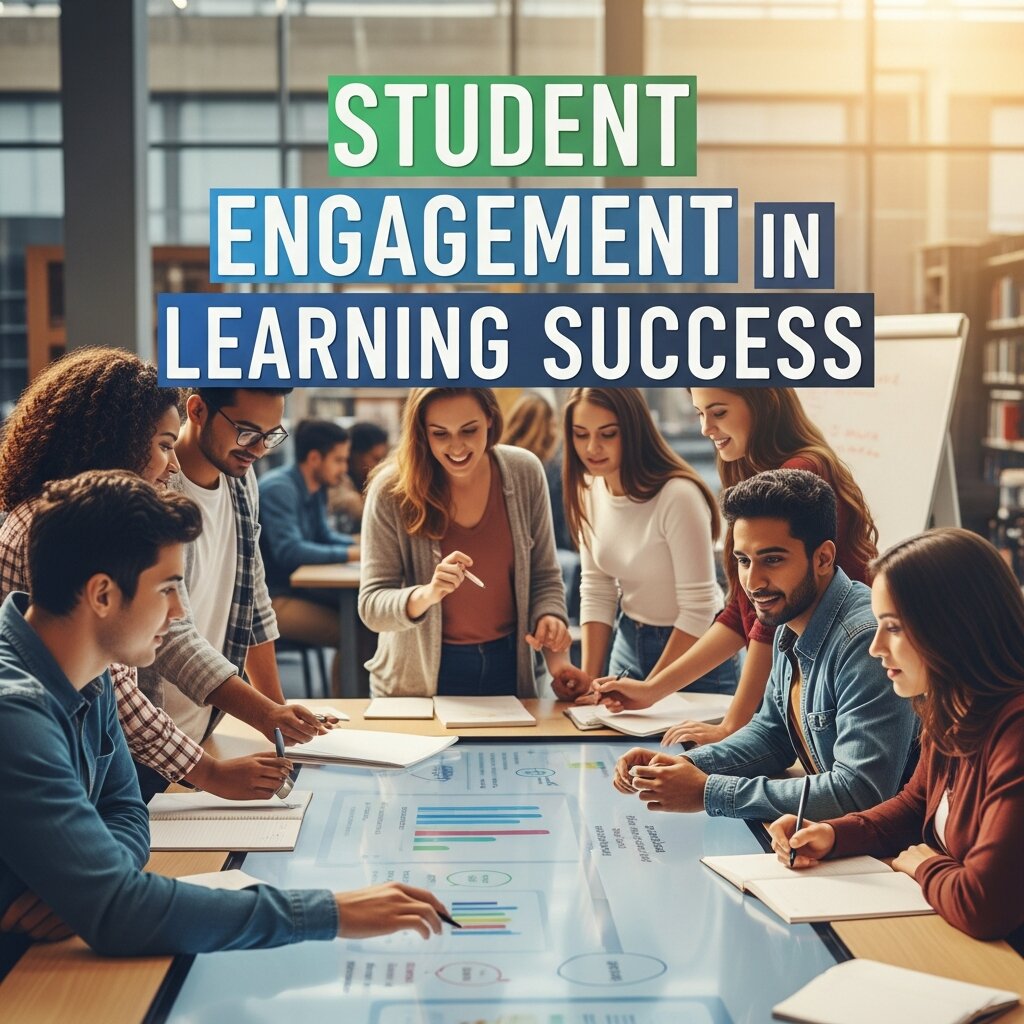 Student engagement is one of the strongest predictors of academic achievement. When learners actively participate in lessons, discussions, and activities, they are more likely to retain information and apply it effectively. Engagement goes beyond simply paying attention—it involves emotional, behavioral, and cognitive investment in the learning process.
Educators can increase engagement by connecting lessons to real-world situations, encouraging collaboration, and incorporating interactive activities. Gamification, project-based learning, and technology-enhanced experiences can also make learning more relevant and enjoyable. When students are engaged, they are more motivated to overcome challenges and persist toward their goals.
Supporting Lifelong Learning Skills
Academic knowledge is important, but successful education also prepares students for learning beyond the classroom. Developing lifelong learning skills helps students adapt to changing careers, technologies, and societal demands throughout their lives.
Critical thinking, problem-solving, communication, and adaptability are among the most valuable skills educators can foster. Encouraging students to ask questions, conduct independent research, and reflect on their learning experiences helps build confidence and self-direction. By focusing on these transferable skills, educators equip students to continue growing long after formal education ends.
Measuring and Improving Student Learning Outcomes
Improving student learning requires ongoing evaluation. Educators should regularly assess whether instructional strategies are producing the desired results and make adjustments when necessary. Learning analytics, assessment data, classroom observations, and student feedback all provide valuable insights into student performance.
By analyzing these metrics, educators can identify learning gaps, refine teaching methods, and provide targeted support where it’s needed most. Continuous improvement ensures that learning experiences remain effective, relevant, and aligned with student needs. A data-informed approach not only improves academic outcomes but also helps institutions create more responsive and student-focused educational environments.
FAQ Section: Student Learning
1. What is student learning?
Student learning refers to the process through which students acquire knowledge, develop skills, build understanding, and apply what they have learned in academic and real-world settings. Effective student learning involves engagement, practice, feedback, and continuous improvement.
2. Why is student learning important?
Student learning is the foundation of academic success and personal development. Strong learning experiences help students build critical thinking skills, improve problem-solving abilities, and prepare for future educational and career opportunities.
3. How can educators improve student learning outcomes?
Educators can improve learning outcomes by using active learning strategies, personalizing instruction, providing timely feedback, integrating technology, encouraging collaboration, and setting clear learning objectives.
4. What is active learning?
Active learning is an instructional approach that encourages students to participate directly in the learning process through discussions, problem-solving activities, case studies, group work, and hands-on experiences rather than passively listening to lectures.
5. How does personalized learning benefit students?
Personalized learning adapts instruction to individual student needs, strengths, interests, and learning styles. This approach helps students learn at their own pace, improves engagement, and supports better academic performance.
6. What role does technology play in student learning?
Technology supports student learning by providing access to digital resources, interactive content, online collaboration tools, mobile learning apps, and adaptive learning platforms that enhance flexibility and engagement.
7. How is AI transforming student learning?
AI in education can personalize learning experiences, provide instant feedback, identify learning gaps, recommend resources, and support educators by automating routine tasks. This allows teachers to focus more on student support and instruction.
8. Why is feedback important for student learning?
Feedback helps students understand their strengths and areas for improvement. Specific, timely, and actionable feedback enables learners to correct mistakes, strengthen skills, and achieve better outcomes.
9. How does collaboration improve student learning?
Collaborative learning encourages students to share ideas, solve problems together, and learn from different perspectives. It also helps develop communication, teamwork, and leadership skills that are valuable beyond the classroom.
10. What are some common barriers to effective student learning?
Common barriers include lack of engagement, unclear expectations, limited access to resources, ineffective study habits, insufficient feedback, and learning environments that do not support student needs.
Bringing It All Together
Enhancing student learning isn’t about chasing every new trend or overhauling everything at once. It’s about combining timeless teaching principles—engagement, personalization, feedback, and clear goals—with modern tools like mobile learning apps and AI in education. The most successful educators blend the human and the technological, using each to amplify the other.
Start small. Pick one or two strategies from this guide and try them in your next lesson or course. Maybe that means adding a quick formative quiz, experimenting with a flipped classroom, or giving more specific feedback. Track what works, gather student input, and build from there.