Screen time often gets a bad reputation among parents and teachers. Adults constantly worry about the sheer number of hours adolescents spend swiping through endless digital feeds. Yet, completely restricting access to these digital platforms ignores a massive opportunity for academic engagement.
Education and learning no longer happen exclusively within the four walls of a traditional classroom. The same applications used to share memes or watch viral dance videos contain rich ecosystems of historians, scientists, authors, and linguists sharing their expertise. When guided properly, young learners can transform these digital spaces into personalized, highly interactive libraries. They can connect with thought leaders, join global study groups, and access real-time information that textbooks simply cannot provide.
This guide explores practical ways to integrate these popular platforms into daily study habits. We will cover actionable strategies that parents, teachers, and school administrators can use to completely reshape the digital landscape for their pupils. By teaching adolescents how to intentionally curate their feeds and engage critically with online content, we equip them with essential skills for their future careers.
The Shift From Passive Scrolling to Active Learning
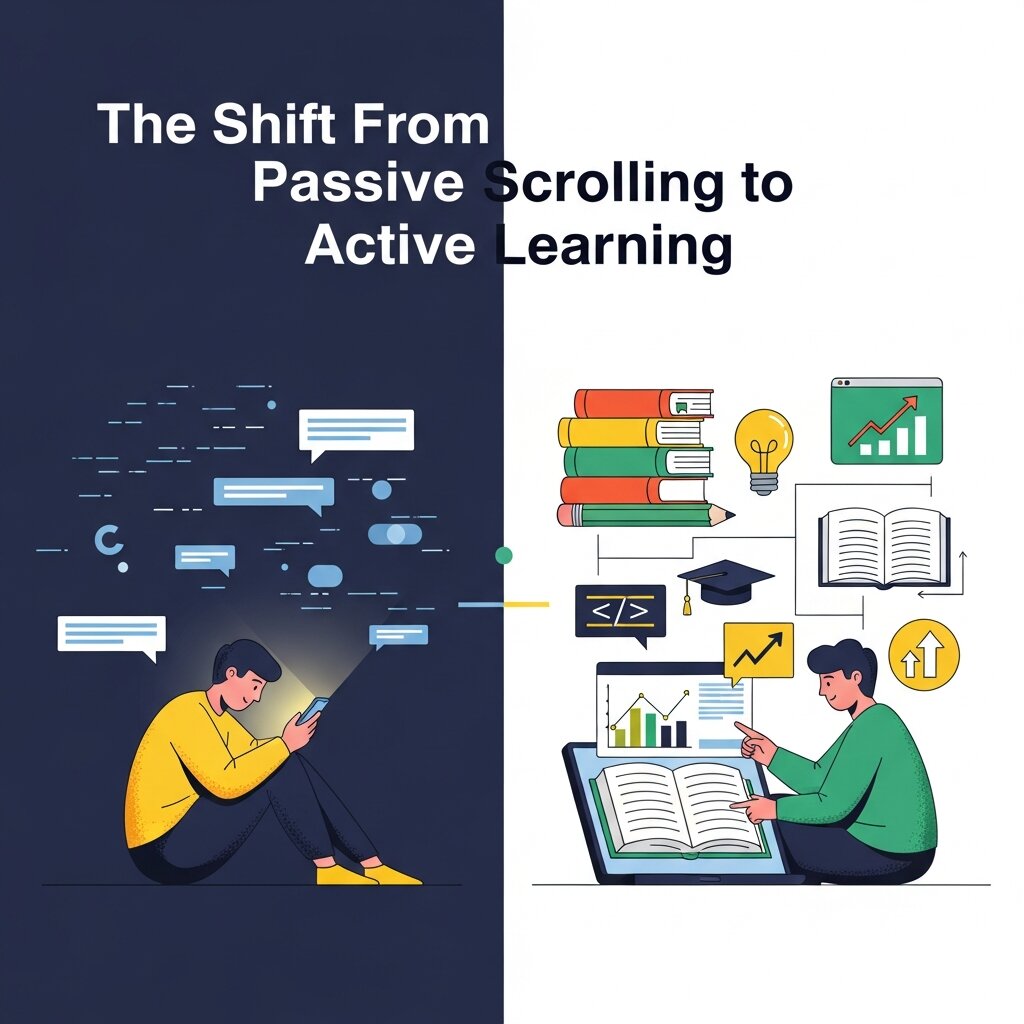 For years, the narrative surrounding digital platforms focused heavily on their negative impacts, such as distraction and diminished attention spans. We must reframe this conversation to focus on utility. Students already spend a significant portion of their day on these networks. By introducing educational frameworks into these spaces, we meet young learners exactly where they already are.
Redefining Education and Learning
Historically, acquiring knowledge required physical resources like encyclopedias, library books, or printed journals. The digital revolution democratized access to information, but it also created an overwhelming flood of content. True education and learning now require the ability to filter, analyze, and apply information quickly. Social platforms provide an excellent testing ground for these exact skills. When an adolescent encounters a news headline on their timeline, they must immediately decide if the source is credible, if the information is biased, and how it connects to what they already know.
Meeting Students Where They Are
Forcing young people to use clunky, outdated educational software often results in low engagement. Conversely, platforms like YouTube, Instagram, and TikTok boast intuitive interfaces and highly engaging formats. Bringing academic content onto these familiar networks drastically reduces the friction of starting a study session. A short, visually appealing video explaining a complex physics concept can capture attention much faster than a dense textbook chapter.
Core Benefits of Social Media Education for Students
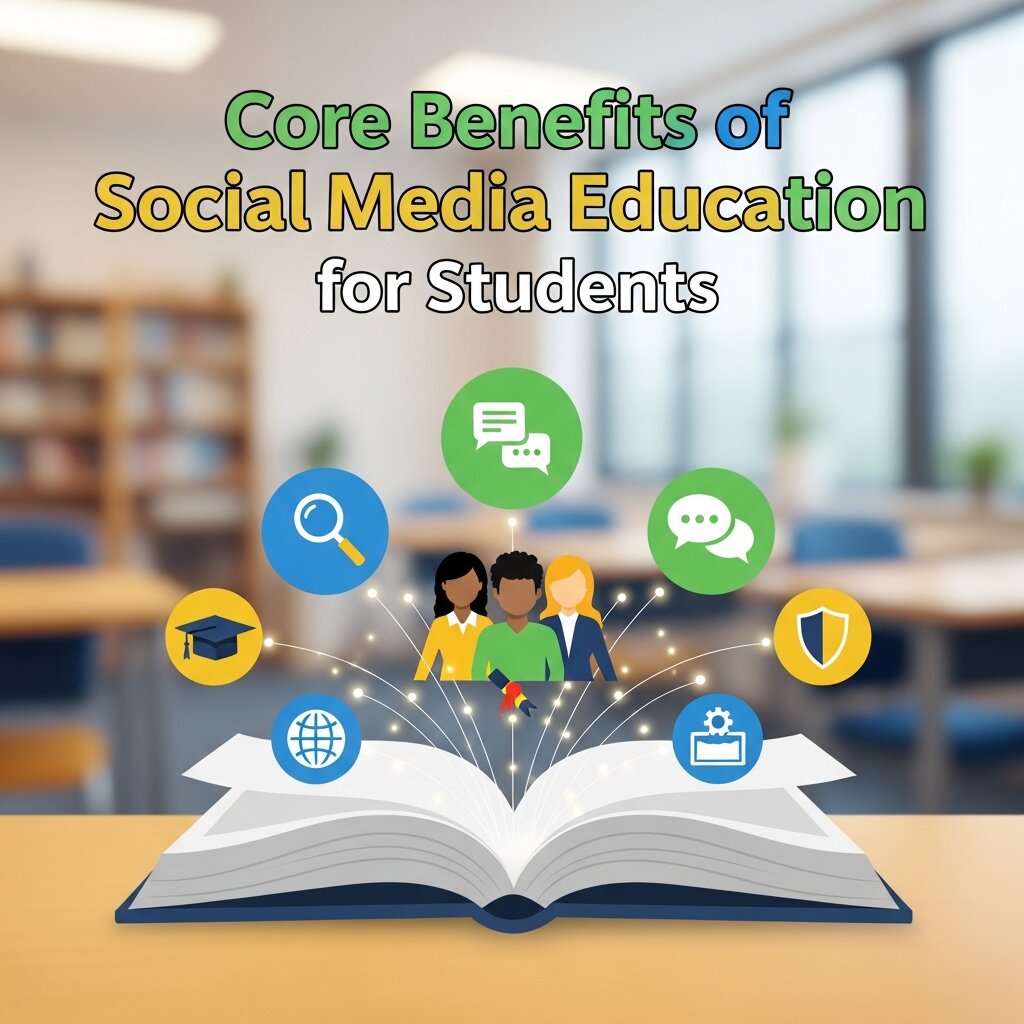 Integrating popular networks into a structured curriculum provides several distinct advantages that traditional methods struggle to replicate.
Fostering Digital Literacy and Citizenship
Understanding how algorithms work, recognizing misinformation, and protecting personal data are mandatory skills for modern life. Social media education for students provides a safe, guided environment to practice these competencies. Educators can create controlled assignments that require pupils to fact-check viral claims or trace the original source of an altered image. Through this practice, young people learn to navigate the internet safely and responsibly.
Encouraging Collaborative Learning
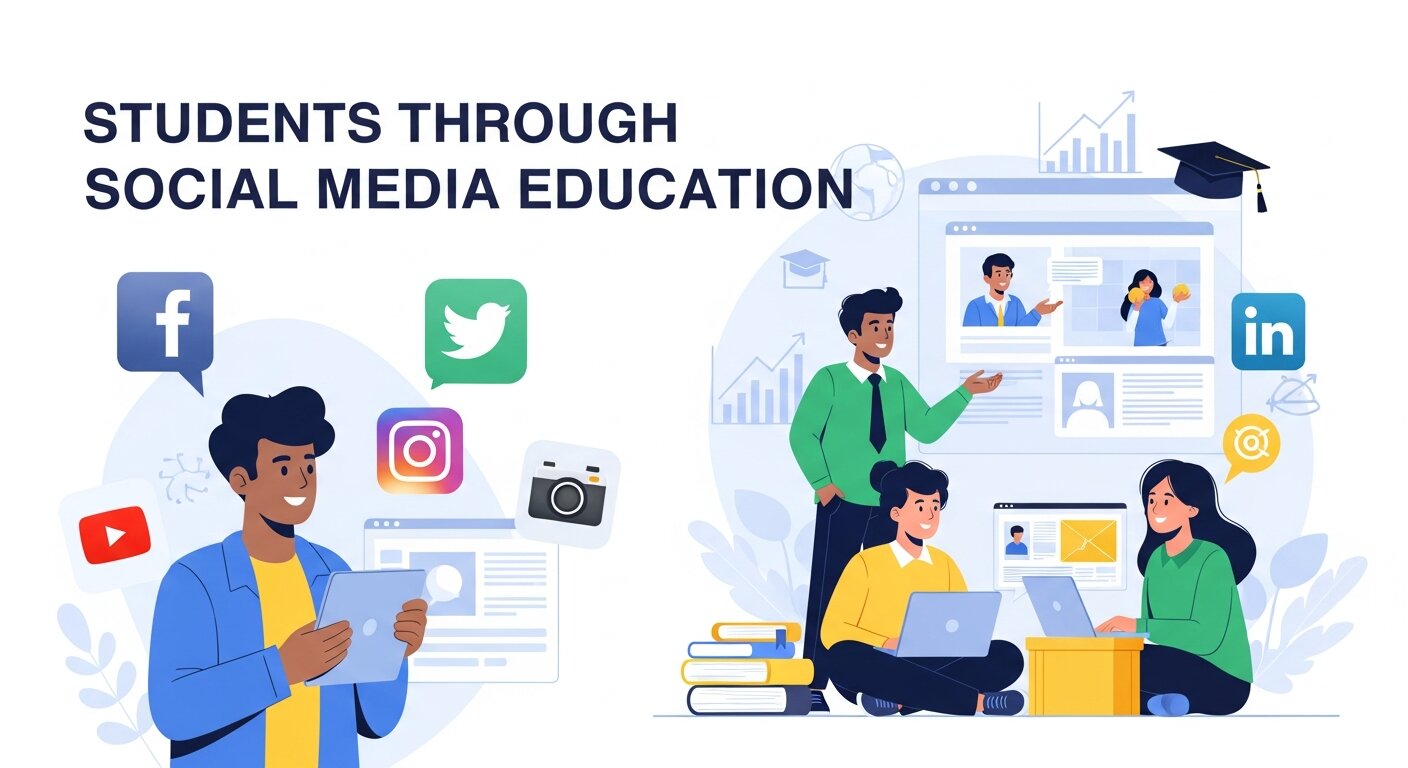
Many platforms possess robust communication tools built directly into their interfaces. Direct messaging, group chats, and comment sections allow for immediate peer-to-peer collaboration. Students can form study groups across different time zones, share helpful links, and crowdsource solutions to difficult homework problems. This collaborative environment mirrors the modern workplace, where remote teams must frequently communicate and solve problems through digital channels.
Real-World Application and Career Readiness
Nearly every modern industry relies on digital networking and online marketing. Teaching adolescents how to build a professional online presence early gives them a massive advantage. They learn how to articulate their thoughts clearly, network with industry professionals, and showcase their projects to a global audience. These practical experiences build confidence and directly translate into highly sought-after job skills.
Practical Strategies for Educators and Parents
You do not need to be a technology expert to guide young learners toward healthier digital habits. A few strategic adjustments can drastically improve the quality of content they consume.
Curating Educational Content Feeds
The algorithm feeds users more of what they actively engage with. Encourage students to intentionally follow accounts run by museums, space agencies, universities, and educational content creators. If an adolescent shows an interest in marine biology, help them find and follow leading marine biologists and oceanography institutes. Over time, the platform’s algorithm will naturally begin suggesting more scientific content, transforming a previously mindless feed into a continuous stream of relevant knowledge.
Leveraging Interactive Features
Polls, quizzes, and live streams offer fantastic opportunities for active participation. Teachers can use platform-specific features to conduct quick formative assessments or gather feedback on a recent lesson. For example, an educator might post a historical photo on their professional account and ask the class to identify the time period in the comments. This approach makes homework feel less like a chore and more like an interactive game.
Setting Boundaries and Promoting Critical Thinking
Healthy digital habits require clear boundaries. Parents and teachers should facilitate open discussions about screen time limits and the emotional impact of continuous connectivity. Teach young people to recognize when a specific application makes them feel anxious or overwhelmed. Encourage them to take frequent digital detoxes and prioritize offline hobbies alongside their digital learning endeavors.
Popular Platforms and Their Educational Potential
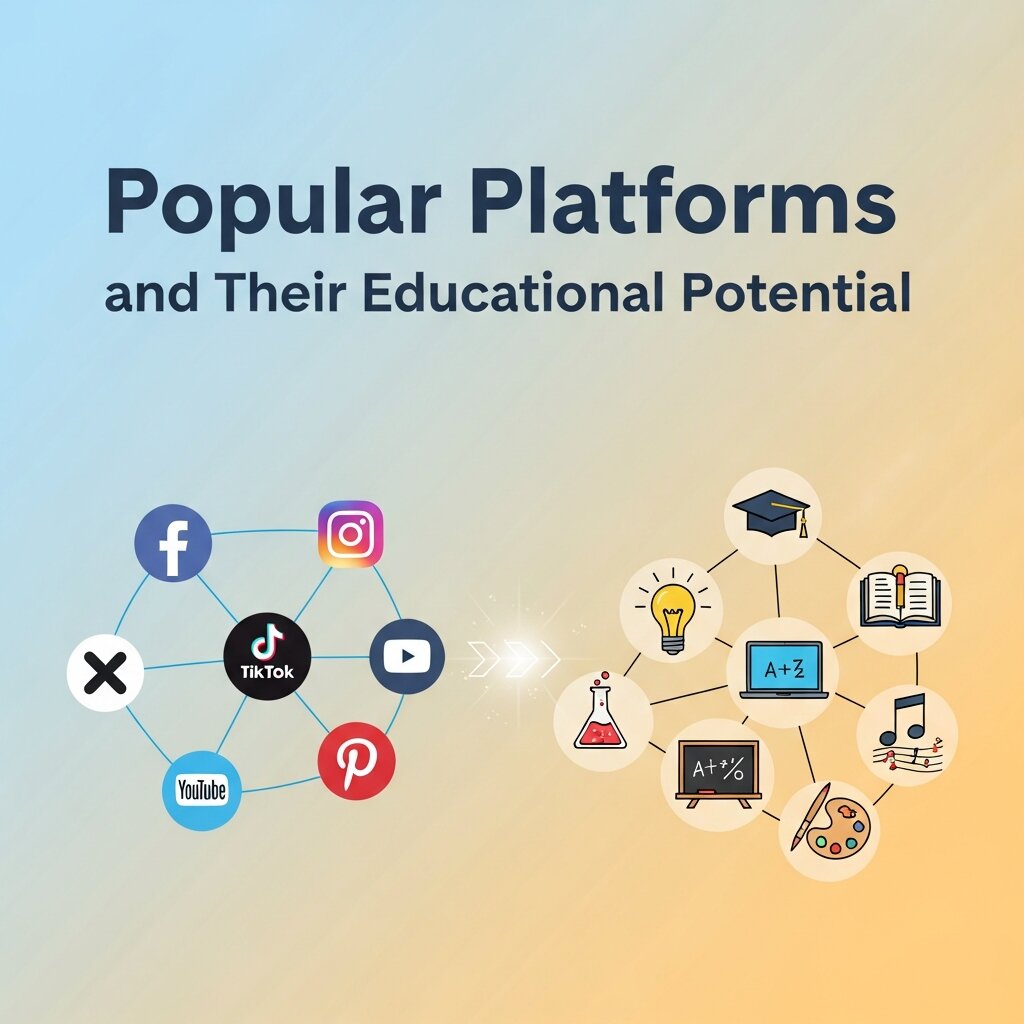 Different networks serve different purposes. Understanding the unique strengths of each application helps educators tailor their assignments effectively.
YouTube: The Visual Classroom
As the second-largest search engine globally, YouTube holds an unparalleled library of educational material. From comprehensive coding tutorials to beautifully animated historical documentaries, the platform caters to every learning style. Educators can create curated playlists for specific classroom units, ensuring pupils only watch high-quality, verified content.
X (Formerly Twitter): Real-Time Discussions
For older students, X offers direct access to breaking news and professional discourse. It is an excellent platform for subjects like political science, journalism, and economics. Pupils can follow live updates from global conferences, read unvarnished opinions from industry leaders, and learn how to synthesize rapidly changing information.
Instagram and TikTok: Micro-Learning
Short-form video dominates the current digital landscape. While criticized for shortening attention spans, these formats are perfect for micro-learning. Content creators frequently break down complex topics into easily digestible 60-second clips. A quick vocabulary lesson, a rapid-fire math trick, or a visual science experiment can serve as excellent supplementary material for visual learners.
The Role of Content Creators in Modern Education
Content creators have emerged as powerful contributors to the education ecosystem. Many educators, scientists, and subject matter experts now use platforms like YouTube and TikTok to simplify complex topics into engaging and easy-to-understand formats. These creators often combine storytelling, visuals, and real-world examples to make learning more relatable for students. Unlike traditional textbooks, their content is frequently updated, ensuring learners stay informed about the latest developments. Students can also interact directly through comments and live sessions, creating a more dynamic learning experience. By following credible creators, learners gain access to diverse teaching styles and perspectives, which helps reinforce understanding and encourages curiosity beyond the standard curriculum.
Building a Personalized Learning Environment
One of the biggest advantages of social media in education is the ability to create a personalized learning environment. Every student has unique interests, strengths, and learning speeds, and digital platforms allow them to tailor their content accordingly. By following specific topics, hashtags, and educators, students can build a feed that continuously delivers relevant knowledge. This personalized approach increases engagement because learners are more likely to interact with content that aligns with their interests. Over time, this habit transforms passive scrolling into a purposeful learning journey. It also encourages self-directed learning, where students take ownership of their education and explore subjects beyond classroom requirements, fostering independence and lifelong learning habits.
The Importance of Time Management in Digital Learning
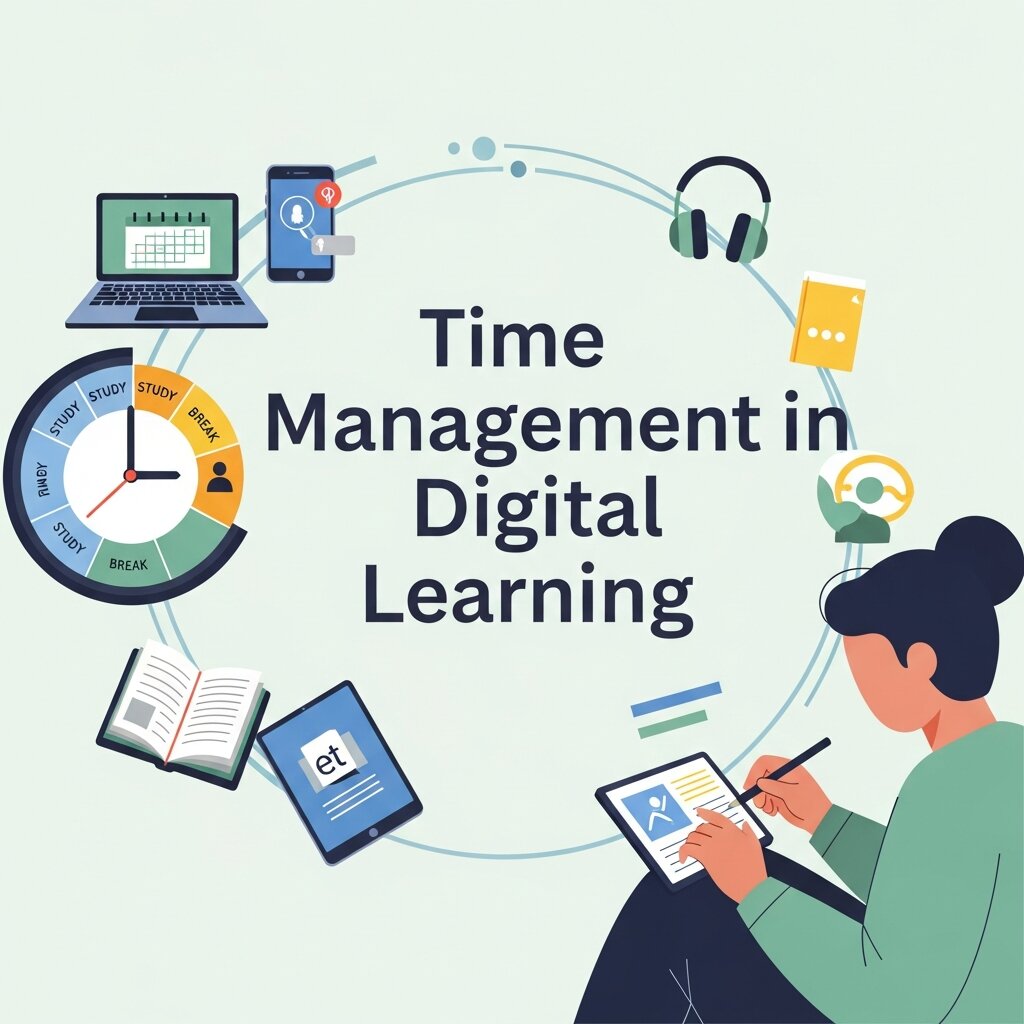 While social media offers valuable educational opportunities, effective time management is essential to maximize its benefits. Without proper control, students can easily fall into endless scrolling and lose focus on their academic goals. Teaching students how to allocate specific time blocks for learning activities helps create a structured routine. Using features like reminders, app timers, and focus modes can support disciplined usage. Educators and parents should encourage students to set clear objectives before going online, such as watching a tutorial or completing a research task. Developing these habits not only improves productivity but also builds self-discipline, a skill that is crucial for academic success and future professional environments.
Addressing Misinformation and Content Credibility
One of the biggest challenges of using social media for education is the presence of misinformation. Not all content available online is accurate or reliable, which makes it essential for students to develop strong evaluation skills. Educators should teach learners how to verify sources, cross-check facts, and identify biased or misleading information. Encouraging critical thinking helps students question what they see rather than accepting everything at face value. Practical exercises, such as analyzing viral posts or comparing multiple sources, can strengthen these skills. By learning how to navigate misinformation, students become more responsible digital citizens and better equipped to make informed decisions in both their academic and personal lives.
Encouraging Creativity Through Digital Platforms
Social media is not just a space for consuming content; it is also a powerful platform for creativity and self-expression. Students can use these platforms to create their own educational content, such as explainer videos, infographics, or short tutorials. This process reinforces their understanding of subjects while helping them develop communication and storytelling skills. Sharing their work with a wider audience can boost confidence and encourage constructive feedback from peers and educators. Additionally, creative projects make learning more enjoyable and interactive, breaking away from traditional methods. By integrating creativity into digital learning, students become active participants in their education rather than passive consumers of information.
Frequently Asked Questions
What is social media education for students?
Social media education for students is the structured use of digital platforms like YouTube, Instagram, and TikTok to support learning. Instead of using these platforms only for entertainment, students engage with educational content, follow subject experts, and build useful digital skills.
How can social media improve student learning?
Social media improves learning by making educational content more accessible and engaging. Students can watch visual explanations, join discussions, and learn from global educators in real time, which helps them understand topics more effectively than traditional methods alone.
Is social media safe for students to use for education?
Social media can be safe when used responsibly under proper guidance. Parents and teachers play an important role in setting boundaries, monitoring activity, and teaching students how to protect their privacy and identify trustworthy sources.
How do students avoid distractions on social media?
Students can avoid distractions by using social media with a clear purpose. Setting specific study times, following only educational content, and using built-in focus tools can help them stay productive while using these platforms.
Which social media platforms are best for educational purposes?
Different platforms offer different benefits. YouTube is ideal for detailed tutorials, Instagram and TikTok are great for quick and visual learning, and X (Twitter) is useful for staying updated with real-time information and discussions.
Can social media replace traditional classroom learning?
Social media cannot replace traditional classroom learning. It works best as a supportive tool that enhances lessons, provides additional resources, and encourages interactive learning beyond the classroom.
What skills do students gain from social media education?
Students develop important skills such as digital literacy, critical thinking, communication, and the ability to evaluate online information. These skills are essential for both academic success and future careers.
How can parents support social media learning at home?
Parents can support learning by guiding their children toward educational content, discussing their online experiences, and ensuring a healthy balance between screen time and offline activities.
Why is digital literacy important for students?
Digital literacy is important because it helps students understand how to use technology responsibly. It enables them to identify misinformation, protect their personal data, and make informed decisions online.
What is the biggest benefit of using social media for education?
The biggest benefit is accessibility. Students can learn anytime and from anywhere, gaining exposure to a wide range of perspectives and knowledge that goes beyond traditional textbooks.
Empowering the Next Generation of Digital Citizens
The internet is fundamentally woven into the fabric of our society. Ignoring its influence on academic development leaves young people unprepared for the realities of the modern world. By proactively integrating digital platforms into our teaching strategies, we take control of the narrative. We teach young learners that their devices are powerful instruments for discovery, rather than just tools for entertainment.
When we embrace social media education for students, we bridge the gap between their personal interests and their academic requirements. We foster a culture of continuous curiosity, where education and learning extend far beyond the ringing of the final school bell. By guiding their digital journeys today, we ensure they become the informed, capable, and responsible leaders of tomorrow.