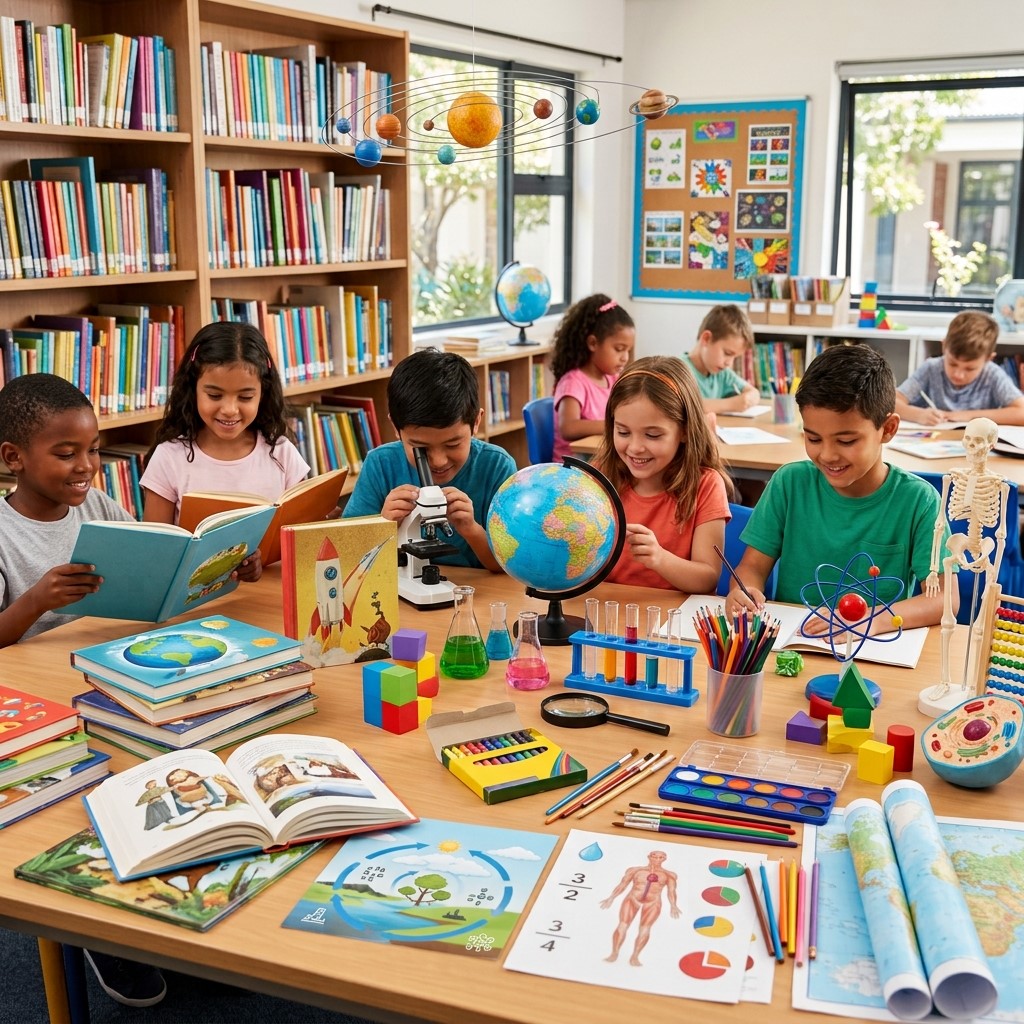
Educational resources play an important role in helping students understand concepts, develop skills, and achieve better learning outcomes. From textbooks and worksheets to digital platforms, Mobile Learning Apps, online learning tools, videos, simulations, and AI in Education solutions, modern resources provide learners with multiple ways to access and understand information.
What Are Educational Resources?
Educational resources are materials, tools, platforms, and learning experiences designed to support teaching and learning. They can be traditional resources such as textbooks, workbooks, reference books, flashcards, laboratory equipment, maps, and printed worksheets.
Modern education also includes digital resources such as online courses, educational videos, interactive simulations, Mobile Learning Apps, online learning tools, digital libraries, virtual classrooms, and AI-powered learning platforms.
The purpose of educational resources is to make learning more accessible, engaging, practical, and understandable. The right resource can help students explore a difficult topic from a different perspective and give them additional opportunities to practice what they have learned.
Why Educational Resources Matter for Students
Improve Understanding
Different students understand information in different ways. Educational resources can present the same concept through text, visuals, audio, demonstrations, examples, and interactive activities, giving learners more opportunities to understand challenging topics.
Increase Student Engagement
Interactive and visually appealing resources can make lessons more interesting. Videos, quizzes, simulations, educational games, and interactive activities can encourage students to participate actively instead of simply listening or reading.
Support Independent Learning
Educational resources allow students to continue learning outside the classroom. Online materials, digital libraries, and learning applications can provide additional explanations and practice when students need extra support.
Types of Educational Resources
Textbooks and Reference Materials
Textbooks provide structured information based on a specific subject or curriculum. Reference materials can offer additional explanations, examples, definitions, and background information that students can use during independent study.
Digital Learning Platforms
Digital learning platforms provide access to lessons, assignments, quizzes, videos, discussions, and assessments through computers or mobile devices. They can support both classroom instruction and remote learning.
Educational Videos
Educational videos can demonstrate processes, explain complex ideas, and provide visual examples. They are particularly useful when a concept is difficult to understand through text alone.
Interactive Simulations
Simulations allow students to explore concepts by interacting with digital environments. They can be useful for subjects such as science, mathematics, engineering, technology, and economics where practical experimentation can improve understanding.
How Online Learning Tools Support Students
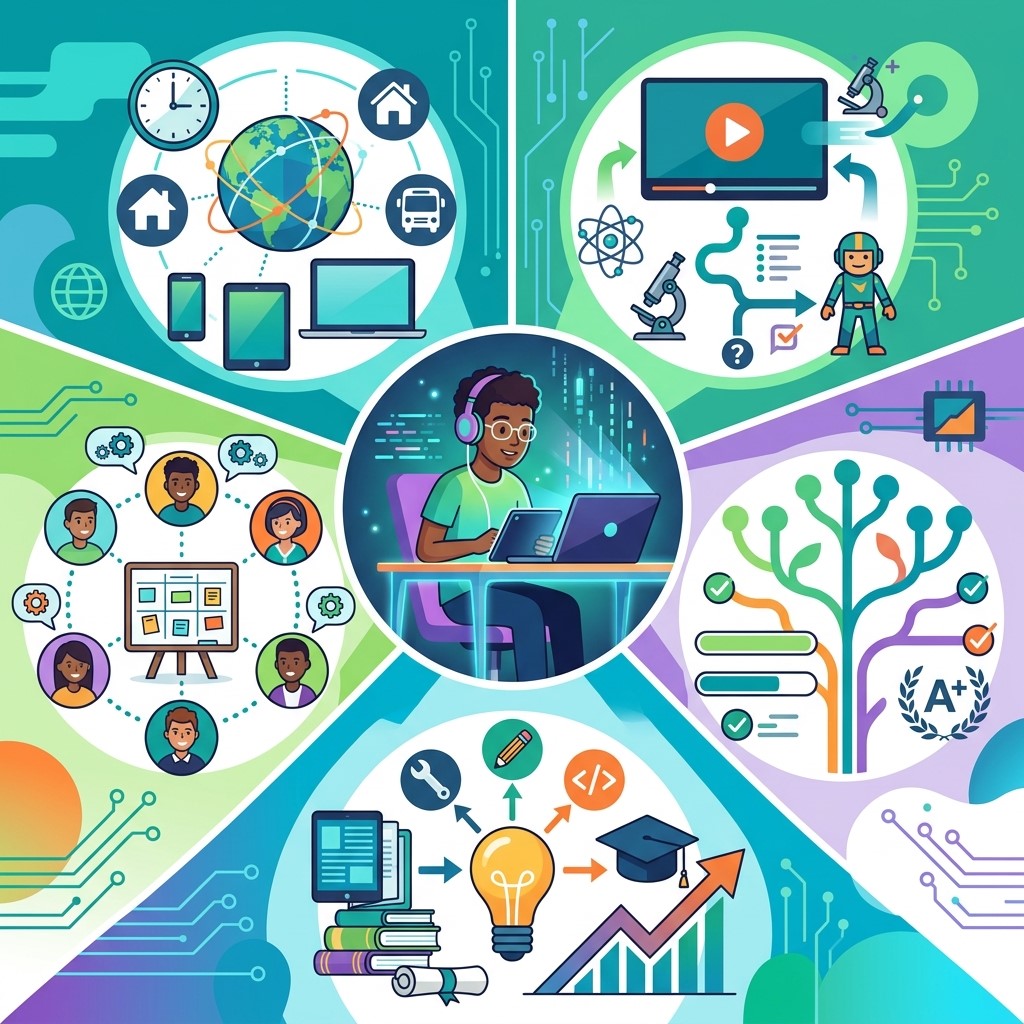 Online learning tools provide students with flexible ways to access educational materials and complete learning activities.
Flexible Learning
Online tools allow students to access lessons, exercises, and resources from different locations. This flexibility can be particularly useful for learners who need to review material outside regular classroom hours.
Instant Access to Information
Students can quickly find explanations, examples, references, and practice activities through digital learning platforms. This reduces dependence on a single learning material and encourages exploration.
Interactive Practice
Many online learning tools include quizzes, exercises, flashcards, simulations, and instant feedback. These features allow students to practice concepts and identify areas where they need improvement.
The Role of Mobile Learning Apps
Mobile Learning Apps have made educational content more accessible by allowing students to learn through smartphones and tablets.
Learning Anywhere
Students can access lessons and practice materials while traveling, at home, during study breaks, or in other suitable environments. This creates opportunities for learning beyond traditional classrooms.
Short Learning Activities
Many mobile applications use short lessons and activities that students can complete within a limited amount of time. This approach can make regular practice easier to maintain.
Personalized Progress
Some Mobile Learning Apps track performance and recommend activities based on student progress. This can help learners focus on subjects or skills that require additional attention.
How AI in Education Supports Learning
AI in Education is introducing new ways to personalize instruction, provide feedback, and support teachers and students.
Personalized Learning Support
AI systems can analyze student responses and learning patterns to recommend relevant exercises, explanations, or learning materials. This can help students receive support that matches their current level.
Automated Feedback
AI-powered educational systems can provide immediate feedback on certain types of assignments and exercises. Quick feedback allows students to identify mistakes and make corrections while the lesson is still fresh.
Intelligent Learning Assistance
AI-based tools can answer questions, explain concepts, generate examples, and provide study assistance. Teachers and students should still verify information because AI-generated responses may occasionally contain errors.
Educational Resources and Different Learning Preferences
Students have different strengths, interests, experiences, and learning needs. Educational resources can provide multiple ways to engage with the same subject.
Visual Learning
Diagrams, charts, videos, illustrations, maps, and animations can help students understand relationships, processes, and abstract ideas visually.
Auditory Learning
Audio lessons, recorded explanations, podcasts, and classroom recordings can provide additional ways for students to engage with educational content through listening.
Practical Learning
Experiments, simulations, projects, demonstrations, and hands-on activities can help students connect theoretical knowledge with practical experiences.
How Educational Resources Improve Knowledge Retention
Repetition and Practice
Repeated exposure to important concepts can strengthen understanding and memory. Practice worksheets, quizzes, flashcards, and online exercises allow students to revisit material regularly.
Active Learning
Resources that require students to answer questions, solve problems, create projects, or interact with simulations encourage active participation. Active learning can help students process information more deeply.
Real-World Examples
Connecting academic concepts to real-world situations can make information more meaningful. Case studies, demonstrations, projects, and practical examples help students understand how knowledge applies outside the classroom.
Benefits for Teachers
Educational resources are not only useful for students. Teachers can also use them to improve lesson planning, instruction, assessment, and classroom engagement.
Better Lesson Planning
Teachers can use presentations, videos, worksheets, interactive activities, and digital tools to structure lessons around specific learning objectives.
Easier Assessment
Online quizzes and learning platforms can help teachers assess student understanding and identify areas where additional instruction may be needed.
Supporting Different Student Needs
A combination of resources allows teachers to provide additional explanations or practice activities for students who need more support while offering advanced materials to students who are ready for greater challenges.
Educational Resources and Remote Learning
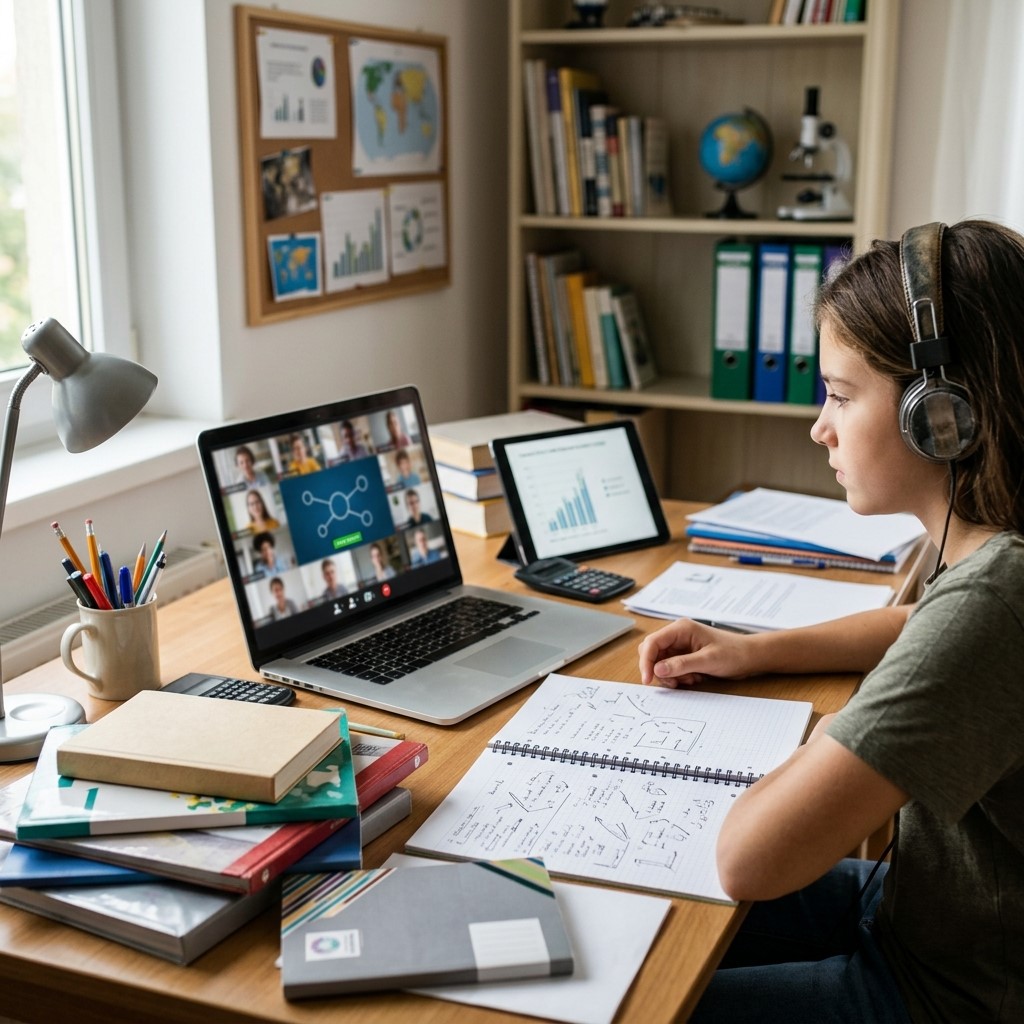 Remote education depends heavily on accessible learning materials and reliable digital platforms. Educational resources can help students continue their studies when they cannot attend traditional classrooms.
Online courses, digital textbooks, recorded lessons, Mobile Learning Apps, video conferencing platforms, and online learning tools can support remote instruction.
However, digital access alone does not guarantee successful learning. Students also need reliable internet connections, suitable devices, clear instructions, teacher support, and opportunities for interaction.
How Educational Resources Encourage Independent Learning
Student Responsibility
When students have access to useful learning materials, they can take greater responsibility for their education. They can choose when to review lessons, practice skills, or explore additional information.
Self-Paced Study
Digital resources often allow students to pause, repeat, or revisit lessons. This is useful for learners who need more time to understand difficult concepts.
Research Skills
Access to digital libraries, databases, reference materials, and educational websites can encourage students to research topics independently and develop information-literacy skills.
Choosing Effective Educational Resources
Match Learning Objectives
Resources should support specific educational goals. Teachers and institutions should determine what students need to learn before selecting textbooks, applications, videos, or digital platforms.
Evaluate Content Quality
Educational resources should provide accurate, clear, relevant, and age-appropriate information. Teachers should review materials before recommending them to students.
Consider Accessibility
Resources should be accessible to students with different abilities, devices, languages, and learning needs. Accessibility features can make digital education more inclusive.
Encourage Interaction
Resources that require students to participate, practice, solve problems, or receive feedback can often provide more value than materials that only present information.
Challenges of Using Educational Resources
Information Overload
Students may become overwhelmed when too many resources are available. Teachers should guide learners toward reliable materials that directly support their learning objectives.
Digital Distractions
Mobile devices and online platforms can provide entertainment alongside educational content. Clear study routines and focused learning environments can help students stay engaged.
Unequal Access
Not every student has the same access to devices, internet connections, paid platforms, or digital learning materials. Educational institutions should consider accessibility and provide alternatives when necessary.
Quality Concerns
Not all online content is accurate or educationally appropriate. Students should learn how to evaluate sources, while teachers should recommend trustworthy resources.
Best Practices for Using Educational Resources
Combine Traditional and Digital Resources
A balanced approach can combine textbooks, classroom instruction, printed exercises, digital resources, interactive activities, and practical learning experiences.
Use Resources With Clear Goals
Every resource should have a purpose. Teachers can explain how a video, quiz, app, worksheet, or simulation connects to the lesson and expected learning outcomes.
Encourage Active Participation
Students should do more than consume educational content. Activities such as problem-solving, discussions, projects, quizzes, and experiments can encourage deeper learning.
Monitor Student Progress
Teachers can review assessments, assignments, participation, and learning analytics to determine whether resources are helping students achieve their objectives.
The Future of Educational Resources
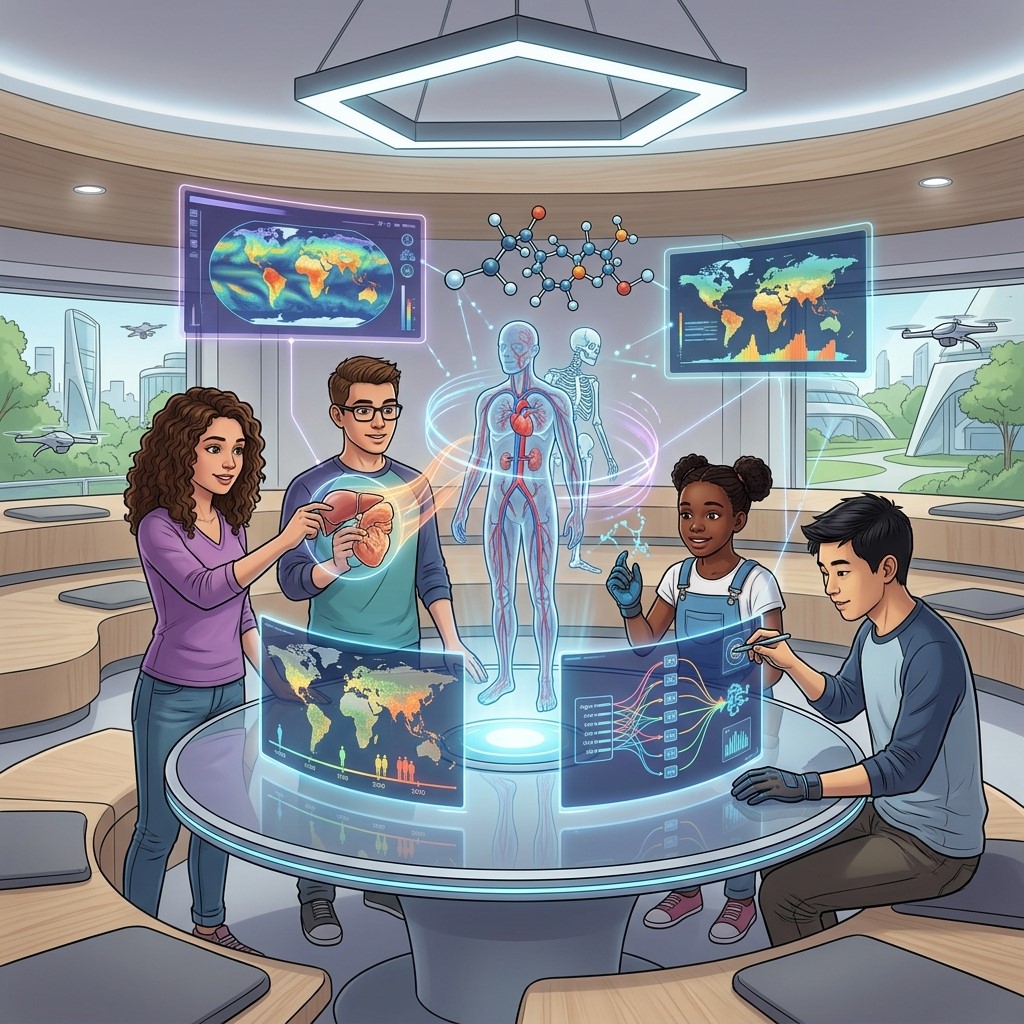 Technology will continue to expand the range of educational resources available to students and teachers. AI in Education, virtual learning environments, adaptive platforms, immersive simulations, digital textbooks, and Mobile Learning Apps may become increasingly common.
Future resources are likely to focus more on personalization and accessibility. AI systems may help identify learning gaps and recommend suitable activities, while interactive platforms may provide more engaging ways to practice skills.
Despite technological developments, teachers will remain essential. Technology can provide tools and information, but educators help students develop critical thinking, communication, creativity, collaboration, and responsible learning habits.
Frequently Asked Questions
What are educational resources?
Educational resources are materials, tools, platforms, and activities designed to support teaching and learning. They include textbooks, worksheets, videos, online learning tools, Mobile Learning Apps, simulations, digital libraries, and AI-powered educational platforms.
Why are educational resources important?
Educational resources help students understand difficult concepts, practice skills, access information, stay engaged, and learn independently. They also help teachers create varied lessons and provide additional support based on student needs.
What are online learning tools?
Online learning tools are digital platforms or applications that support education through lessons, quizzes, assignments, videos, collaboration, assessments, and interactive activities. They can support classroom, hybrid, and remote learning.
How do Mobile Learning Apps help students?
Mobile Learning Apps allow students to access lessons and practice activities through smartphones or tablets. They can support flexible learning, short study sessions, personalized practice, progress tracking, and learning outside traditional classrooms.
What is AI in Education?
AI in Education refers to the use of artificial intelligence technologies to support teaching and learning. Applications can include personalized learning, automated feedback, intelligent tutoring, content assistance, assessment support, and learning recommendations.
Can educational resources improve student engagement?
Yes. Interactive videos, simulations, quizzes, educational games, projects, and digital activities can make learning more engaging by encouraging students to actively participate rather than only reading or listening.
How do educational resources support independent learning?
Educational resources give students access to information and practice materials outside scheduled lessons. Learners can review topics, repeat activities, research subjects, and study at a pace that matches their needs.
How should teachers choose educational resources?
Teachers should consider learning objectives, content quality, student age and ability, accessibility, curriculum relevance, ease of use, and opportunities for interaction. Resources should directly support the intended learning outcomes.
What are the challenges of digital educational resources?
Common challenges include information overload, digital distractions, unequal access to technology, unreliable online content, privacy concerns, and the need for teacher guidance. Proper planning can help reduce these challenges.
What is the future of educational resources?
The future will likely include more personalized digital learning, AI-powered tools, adaptive platforms, interactive simulations, Mobile Learning Apps, virtual learning environments, and accessible online learning resources supported by teacher guidance.
Conclusion
Educational resources are valuable tools for improving learning outcomes because they give students multiple ways to understand, practice, and apply knowledge. From traditional textbooks and reference materials to online learning tools, Mobile Learning Apps, interactive simulations, and AI in Education solutions, each resource can contribute to a more flexible and engaging learning experience.
The most effective approach is to select resources based on learning objectives, student needs, accessibility, content quality, and opportunities for interaction. Teachers can combine digital and traditional materials to create balanced learning experiences while monitoring student progress.