Learning no longer waits for a classroom bell. People pick up skills on their lunch breaks, during their commutes, and late at night through a phone screen. This shift points to one big idea: non formal education is becoming a central part of how we grow, work, and adapt.
For decades, formal schooling held the spotlight. Degrees opened doors, and certificates proved competence. But the pace of change in technology, work, and society has outgrown the traditional model. Skills that mattered five years ago can feel outdated today. That’s where non formal education steps in, offering flexible, practical, and often self-directed ways to keep learning.
In this post, we’ll explore what non formal education really means, why it’s growing fast, and how new tools are reshaping it. You’ll also see where it’s headed, and how learners, teachers, and organizations can prepare for what comes next.
What Is Non-Formal Education?
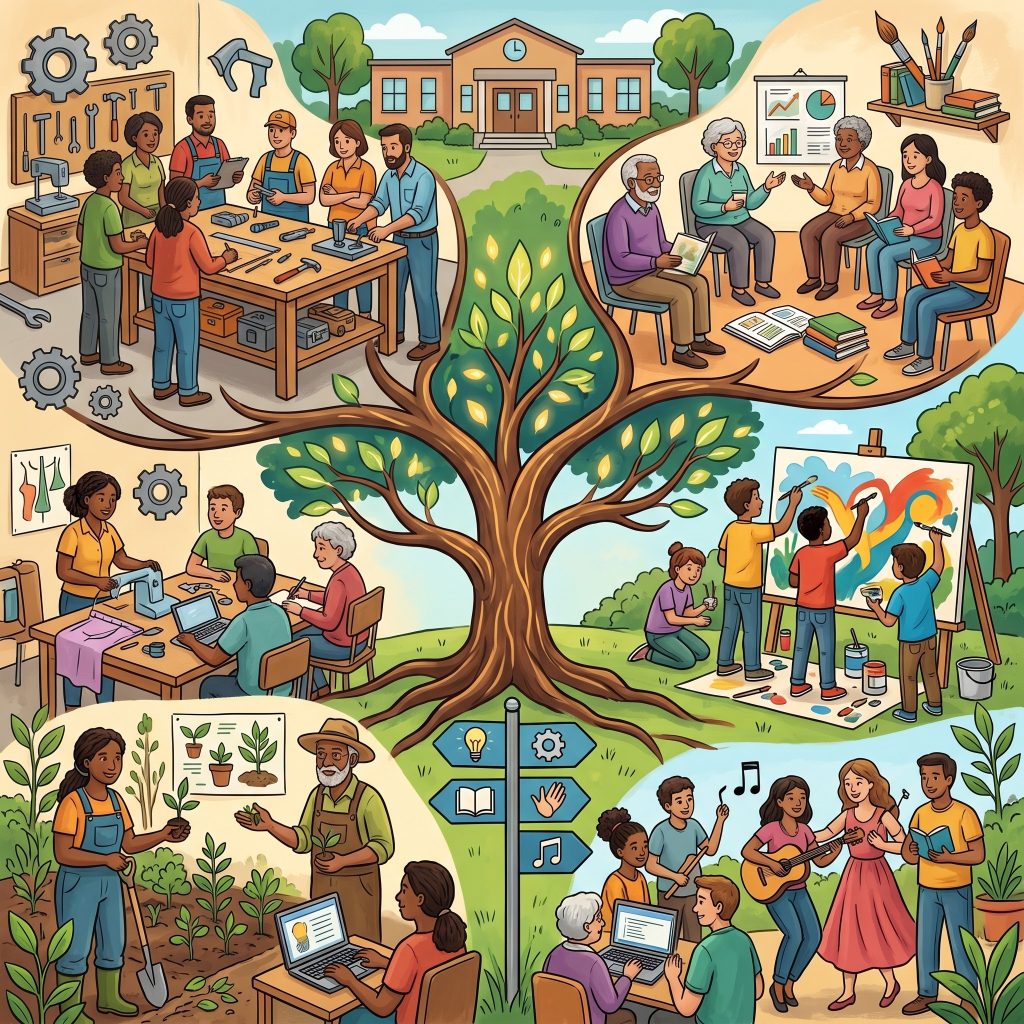 Non formal education sits between two familiar worlds. On one side, there’s formal education—structured schooling with grades, exams, and official qualifications. On the other side, there’s informal learning, which happens naturally through daily life and experience.
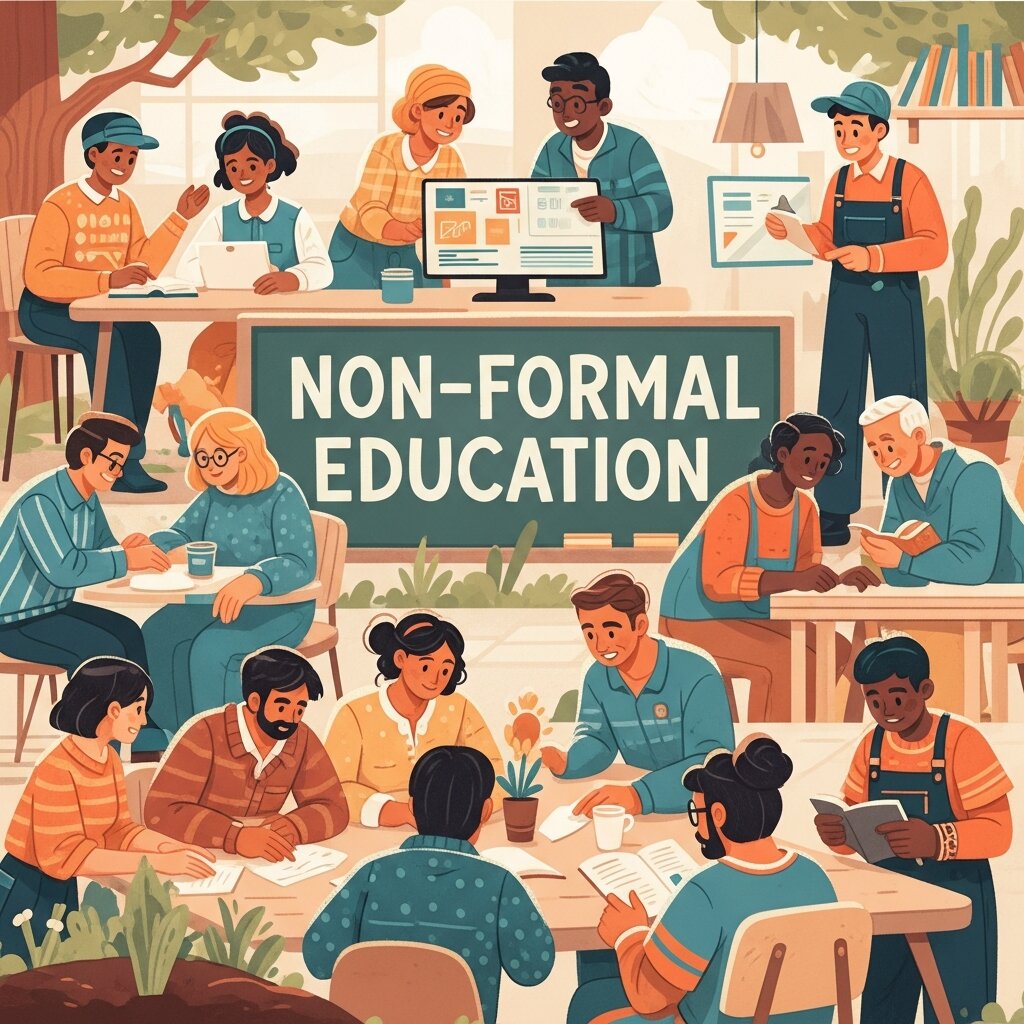
Non formal education blends parts of both. It’s organized and intentional, but it doesn’t follow the rigid structure of a school system. Think of workshops, online courses, community programs, language clubs, and corporate training sessions. These experiences have clear goals and methods, yet they offer freedom in how, when, and where people learn.
A few common features define it:
- Flexibility: Learners choose their pace and schedule.
- Practical focus: Lessons often target real-world skills.
- Accessibility: Many programs are low-cost or free.
- Voluntary participation: People join because they want to, not because they have to.
This balance makes non formal education a natural fit for a world that values speed, choice, and lifelong growth.
Why Non-Formal Education Is Growing So Fast
Several forces are pushing non formal education into the mainstream. Understanding them helps explain why this approach matters more than ever.
The Skills Gap Keeps Widening
Industries change quickly, and many workers struggle to keep up. New roles in areas like data, design, and digital marketing demand skills that traditional degrees rarely cover in time. Non formal education fills that gap by offering targeted, up-to-date training that responds to what employers actually need.
Learning Has Become a Lifelong Habit
The idea that education ends after school is fading. People now expect to learn throughout their careers and personal lives. A graphic designer might take a coding course. A nurse might study leadership. This ongoing curiosity fuels demand for flexible learning options that fit around busy lives.
Technology Removed the Barriers
Not long ago, learning something new often meant enrolling in a course, paying tuition, and showing up in person. Today, a person with a smartphone can access world-class lessons for free. This shift has made non formal education more inclusive than ever, reaching people who were once left out.
How Technology Is Reshaping Non-Formal Education
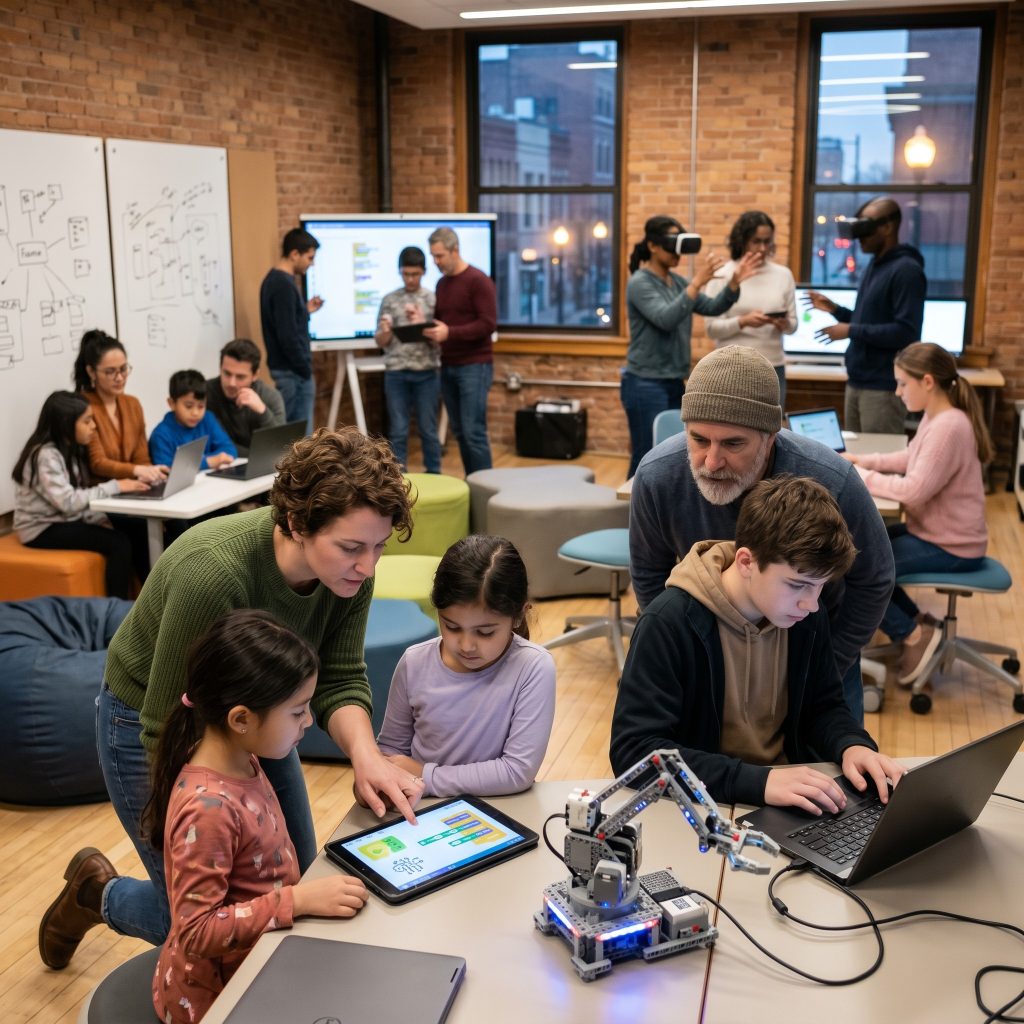 Technology hasn’t just supported non formal education—it has transformed it. The tools available today make learning faster, more personal, and more engaging.
Social Media for Education
Platforms once built for entertainment have become serious learning spaces. Short videos teach everything from cooking to calculus. Communities form around shared interests, and experts share knowledge directly with followers.
The rise of social media for education has lowered the entry barrier even further. A teenager in a small town can learn from a professor across the world. A small business owner can pick up marketing tips between customers. This kind of access was unthinkable a generation ago.
Of course, quality varies. Not every viral tutorial is accurate, and misinformation spreads easily. Successful learners develop a habit of checking sources and following trusted voices. Still, the overall effect is positive: more people learning more things, more often.
The Rise of the Self-Learning AI Chatbot
Artificial intelligence has added a powerful new layer to non formal education. A self learning ai chatbot can answer questions instantly, explain tricky concepts, and adapt to each learner’s pace. Instead of searching through pages of text, a student can simply ask and receive a clear response.
These chatbots act like tireless tutors. They never get impatient, they’re available around the clock, and they tailor explanations to fit the learner. Someone struggling with a math problem at midnight no longer has to wait until morning for help.
The technology is still evolving. A self learning ai chatbot can make mistakes, and learners should treat its answers as a starting point rather than the final word. Even so, this tool represents one of the most exciting developments in modern learning. It brings personalized education to anyone with an internet connection.
Online Platforms and Microlearning
Bite-sized lessons have changed how people absorb information. Instead of long courses, many learners prefer short modules they can finish in minutes. This microlearning approach fits naturally into busy schedules and keeps motivation high.
Online platforms also track progress, suggest next steps, and reward consistency. These small touches keep learners engaged and help them build lasting habits.
The Role of Experts and Consultants
 As non formal education grows, the demand for guidance grows with it. Many learners and organizations want help navigating the endless options available.
This is where a consultant e learning professional adds real value. These experts design learning programs, choose the right tools, and create strategies that match specific goals. A company launching a training program, for example, might hire a consultant e learning specialist to build a course that fits its team and budget.
Their work matters because good design makes a difference. A well-structured program keeps learners motivated and helps them retain what they learn. A poorly planned one wastes time and money. As more organizations invest in employee development, the role of these consultants will only become more important.
Benefits and Challenges of Non-Formal Education
Like any approach, non formal education comes with strengths and weaknesses. Knowing both helps learners make smart choices.
The Key Benefits
- Affordability: Many options cost little or nothing.
- Flexibility: Learners study on their own terms.
- Relevance: Programs often focus on current, practical skills.
- Inclusivity: Access reaches people who can’t attend traditional schools.
The Real Challenges
- Quality control: Without standards, some content lacks accuracy.
- Recognition: Employers don’t always value non formal credentials equally.
- Self-discipline: Flexible learning requires strong motivation.
- Information overload: Too many choices can overwhelm learners.
The good news is that many of these challenges are fading. Trusted platforms, clear certifications, and better tools are raising the overall quality of non formal education.
What the Future Holds
The next decade will likely blur the lines between formal and non formal education even further. Several trends point to where things are heading.
Blended learning will become standard: Schools and companies will mix structured courses with flexible, self-directed options. Learners will move smoothly between formal classes and quick online lessons.
AI will grow smarter and more personal: Tomorrow’s tools will understand each learner deeply. A self learning ai chatbot might track a person’s progress over years, suggesting exactly what to study next based on their goals.
Credentials will evolve: Digital badges, micro-certificates, and skill-based portfolios may gain the same respect as traditional degrees. Employers increasingly care about what people can do, not just where they studied.
Community will stay central: Even as technology advances, people still learn best with others. Online communities, study groups, and mentorship will remain vital parts of the learning experience.
These shifts suggest a future where learning is continuous, personal, and woven into everyday life.
The Role of Community-Based Learning in Non-Formal Education
One of the greatest strengths of non-formal education is its ability to bring people together through shared learning experiences. Community-based learning programs create environments where participants can exchange ideas, solve problems collaboratively, and learn from one another’s experiences. Whether through local workshops, professional networking groups, online forums, or volunteer initiatives, these communities foster deeper engagement than isolated study. Learners gain practical insights, build valuable connections, and develop communication skills that support both personal and professional growth. As non-formal education continues to expand, community-driven learning will remain a powerful tool for creating meaningful educational experiences that encourage participation, collaboration, and lifelong development.
How Non-Formal Education Supports Entrepreneurship and Innovation
Entrepreneurs often rely on non-formal education to gain the skills needed to launch and grow successful businesses. Unlike traditional academic programs, non-formal learning can quickly address topics such as digital marketing, business planning, financial management, leadership, and emerging technologies. Through online courses, mentorship programs, startup incubators, and industry workshops, aspiring business owners gain practical knowledge that can be applied immediately. This flexibility allows entrepreneurs to adapt to changing market conditions and continuously improve their skills. As innovation accelerates across industries, non-formal education will play an increasingly important role in helping individuals develop creative thinking, problem-solving abilities, and the confidence needed to turn ideas into successful ventures.
Frequently Asked Questions
1. What is non-formal education?
Non-formal education is a structured learning process that takes place outside traditional schools and universities. It includes workshops, online courses, training programs, community learning initiatives, and professional development activities designed to help individuals gain practical knowledge and skills.
2. How is non-formal education different from formal education?
Formal education follows a fixed curriculum, grading system, and certification process within schools or universities. Non-formal education is more flexible, learner-focused, and often skill-based, allowing participants to learn at their own pace without the rigid requirements of traditional institutions.
3. What are the main benefits of non-formal education?
Non-formal education offers flexibility, affordability, accessibility, and practical skill development. It allows learners to study according to their schedules, explore specific interests, and acquire relevant knowledge that can support career advancement, personal growth, and lifelong learning goals.
4. Can non-formal education improve career opportunities?
Yes, non-formal education can enhance employability by helping individuals develop industry-relevant skills and stay current with evolving workplace demands. Many employers value practical abilities, certifications, and demonstrated expertise gained through professional training programs and specialized learning experiences.
5. What are some examples of non-formal education?
Examples include online courses, professional workshops, language training programs, coding boot camps, leadership seminars, corporate training sessions, community education programs, and skill-development classes. These learning opportunities are organized but operate outside traditional academic systems.
6. How does technology support non-formal education?
Technology expands access to learning through online platforms, mobile applications, virtual classrooms, educational videos, and AI-powered learning tools. It enables learners to access educational resources anytime, anywhere, making skill development more convenient and accessible than ever before.
7. What role does social media play in non-formal education?
Social media platforms provide opportunities to share knowledge, access educational content, join learning communities, and connect with experts. Many learners use social media to discover tutorials, industry insights, professional advice, and practical skills that support personal and professional development.
8. Are online courses considered non-formal education?
Yes, most online courses fall under non-formal education because they provide organized learning experiences outside traditional educational institutions. They often focus on specific skills or subjects and offer flexibility that allows learners to study according to their own schedules.
9. What challenges are associated with non-formal education?
Common challenges include varying content quality, limited recognition of some credentials, the need for self-discipline, and difficulty choosing among numerous learning options. Learners should carefully evaluate programs and select reputable providers to maximize educational value.
10. What is the future of non-formal education?
The future of non-formal education is expected to involve greater use of artificial intelligence, personalized learning pathways, digital credentials, and blended learning models. As technology evolves, flexible education options will continue expanding and play an increasingly important role in lifelong learning.
Preparing for a New Era of Learning
Non formal education has moved from the margins to the center of how we grow. It offers a practical answer to a fast-changing world, giving people the skills they need exactly when they need them. From social media for education to the self learning ai chatbot, new tools are making learning more open and powerful than ever.
For learners, the path forward is simple: stay curious, choose trusted sources, and build a habit of continuous growth. For organizations, the smart move is to invest in quality programs and lean on a consultant e learning expert when needed. And for educators, the opportunity is huge—those who embrace flexible, tech-driven methods will reach more people than any classroom ever could.