Corporate training often falls flat. Employees sit through hours of generic video modules, click through multiple-choice quizzes, and promptly forget the material by the next morning. Organizations spend massive amounts of their budget on these standard training platforms, yet leaders still notice a distinct lack of practical skill development on the factory floor or in the office.
A new approach is necessary to bridge the gap between theoretical knowledge and practical execution. This is where consultant e learning enters the picture. By merging the specific, tailored expertise of an industry consultant with the scalable delivery of digital learning platforms, companies can completely overhaul their internal training processes.
This guide explores how consultant e learning improves employee skill development from the ground up. You will learn the mechanics behind this tailored approach, the strategic benefits of bringing outside experts into your digital training ecosystem, and the role that modern technology plays in reinforcing these new skills.
The Shift in Corporate Education and Learning
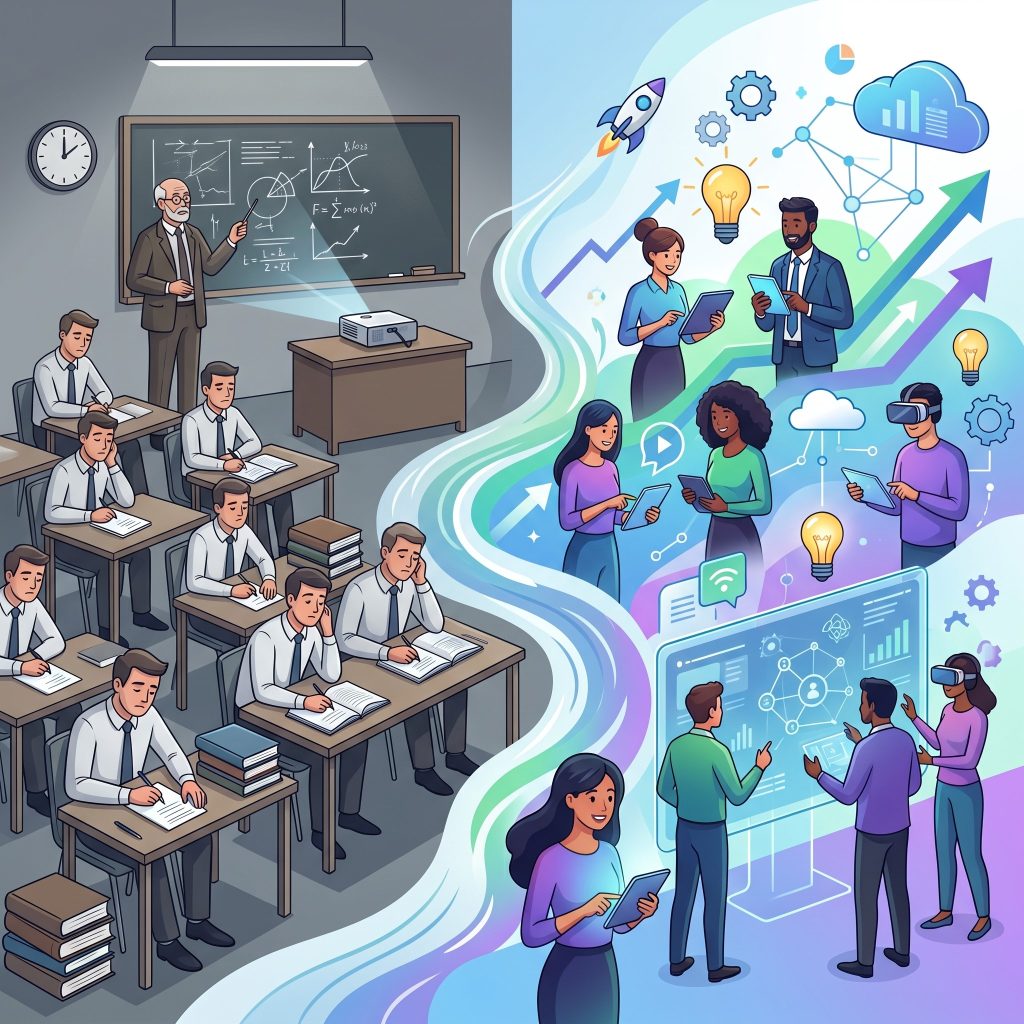 Workplace training has undergone massive changes over the last two decades. Historically, organizations relied on in-person seminars or printed manuals to onboard new staff and teach new skills. As internet access expanded, the corporate sector rapidly adopted digital learning management systems.
These early systems provided scale, allowing a company to train thousands of employees simultaneously. However, they lacked personalization. The modules were often built by software companies rather than industry practitioners, leading to a disconnect between the training material and the actual daily challenges employees faced.
Modern education and learning strategies require a more dynamic approach. Employees want training that directly applies to their specific roles, taught by people who have actually done the job. They need insights, frameworks, and feedback that generic software simply cannot provide. Consultant e learning addresses this exact problem by placing a subject matter expert at the center of the curriculum design.
What is Consultant E Learning?
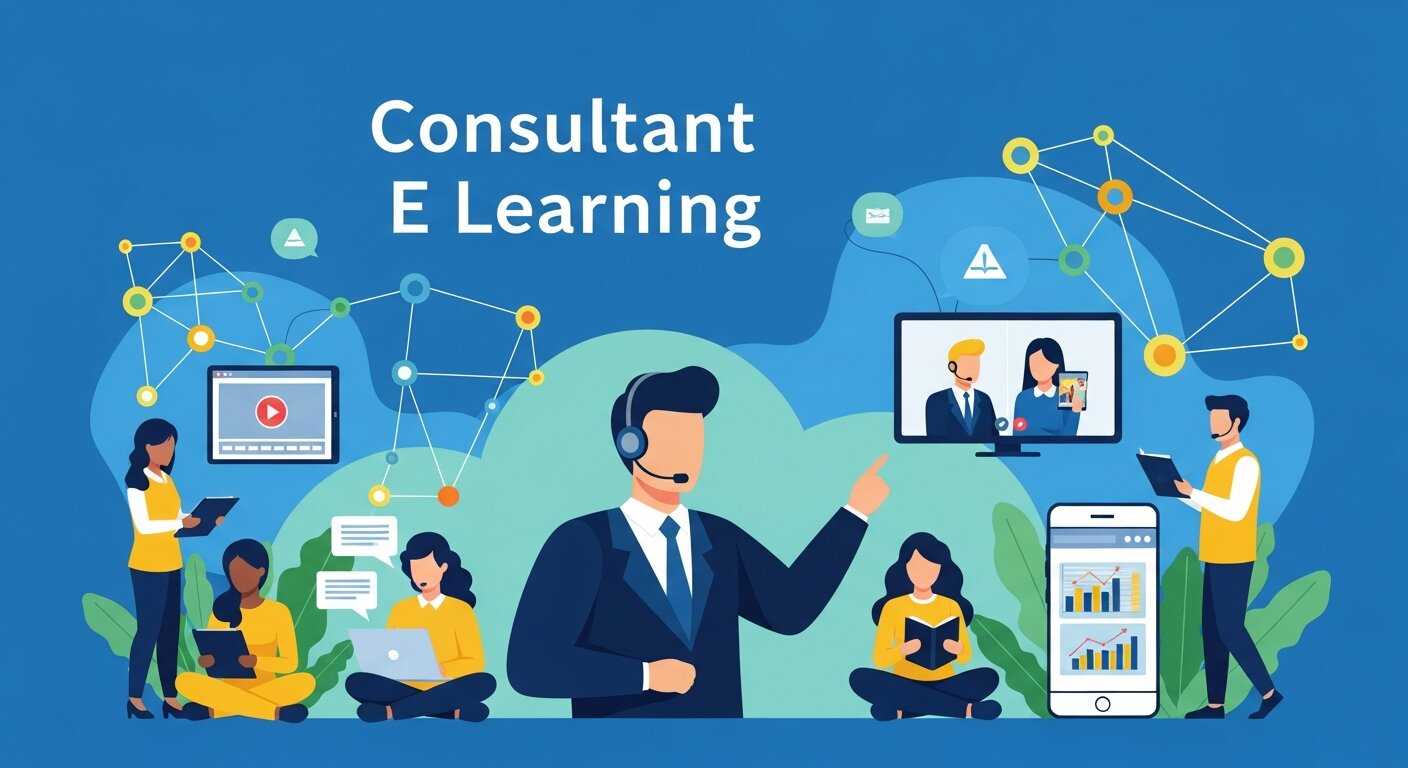
Consultant e learning is a specialized training model. Organizations hire an external consultant or subject matter expert to design, record, and sometimes facilitate customized digital training programs specifically for their workforce.
Rather than purchasing an off-the-shelf course on “Effective Leadership,” a company hires a leadership consultant who first evaluates the company’s unique culture and challenges. The consultant then builds a digital course that references real company scenarios, uses internal terminology, and addresses the specific skill gaps present in the workforce.
This method combines the deep, specialized knowledge of a traditional business consultant with the flexibility and accessibility of online learning. Employees can access the training anytime, but the content feels highly personal and immediately relevant to their daily tasks.
Key Benefits for Employee Skill Development
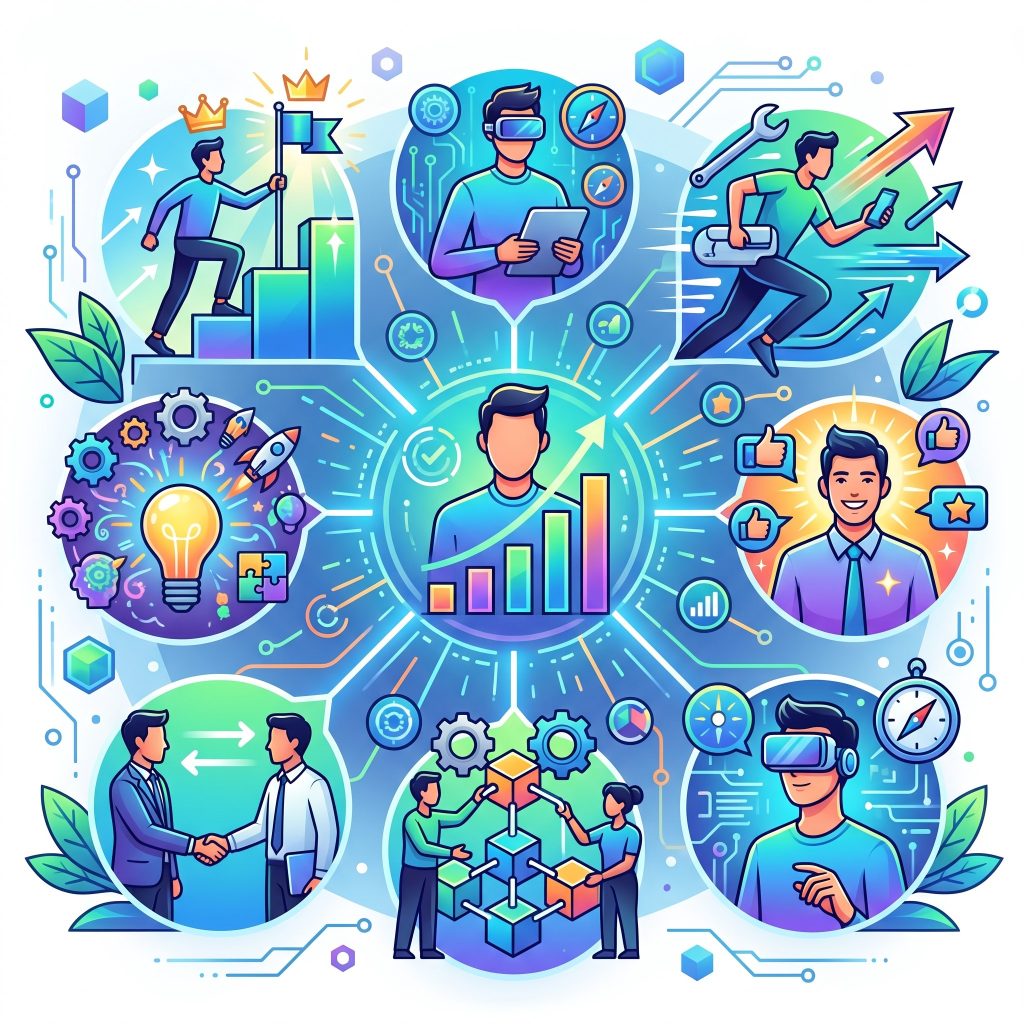 Bringing a consultant into your digital training strategy transforms the way employees absorb and apply information. Here are the core ways this approach improves skill development across an organization.
Highly Contextualized Content
Generic training programs force employees to translate broad concepts into their specific work environment. Many workers simply do not have the time or energy to make these mental connections.
A consultant takes on the burden of translation. Before recording a single video or writing a single quiz, the expert studies your business. They interview managers, review current processes, and identify exactly where skill gaps exist. The resulting e-learning modules speak directly to your company’s reality. When an employee watches a training video, they see their exact software, their specific customer personas, and their actual daily hurdles addressed on screen. This high level of context makes the skills much easier to absorb and apply.
Access to Specialized Expertise
Internal training departments are excellent at managing onboarding and compliance. However, they rarely possess deep expertise in every single department’s function. Expecting a general HR trainer to teach advanced data analytics or complex supply chain negotiation is unrealistic.
Consultant e learning allows you to source the absolute best minds for specific topics. You can hire a veteran sales director to build your digital sales training, or a cybersecurity expert to design your IT protocols. Employees benefit from the hard-won wisdom, advanced frameworks, and industry secrets that only a seasoned specialist can provide.
Improved Engagement and Accountability
Standard e-learning often suffers from terrible completion rates. Employees click through the slides as quickly as possible just to get a certificate.
When a consultant leads the program, the dynamic changes. These experts are skilled communicators who know how to present information compellingly. Furthermore, many consultant e learning programs include interactive elements, such as live Q&A sessions, peer review assignments, or direct feedback from the consultant. Knowing that an external expert will review their work motivates employees to engage deeply with the material and practice the skills being taught.
Integrating Technology to Reinforce Learning
The initial training module is only the first step in skill development. True mastery requires consistent reinforcement over time. Fortunately, modern technology pairs beautifully with consultant-designed programs to keep employees learning long after they finish the main course.
Supporting Staff with a Self Learning AI Chatbot
One of the biggest challenges in corporate training is answering the specific, situational questions that arise weeks after the training is over. Employees often abandon a newly learned skill because they hit a minor roadblock and have no one to ask for help.
Organizations are solving this by integrating a self learning ai chatbot into their digital workspaces. Consultants can feed their training materials, frameworks, and FAQs into the AI’s database. When an employee forgets a specific step in a new process, they can simply ask the chatbot. Because the bot learns from interactions and updates its knowledge base based on the consultant’s specific curriculum, employees get immediate, accurate support. This real-time troubleshooting ensures that new skills are actually implemented on the job.
Leveraging Social Media for Education
Social learning is a powerful tool for skill retention. While external social networks are great for networking, internal social platforms function beautifully as collaborative learning spaces.
Companies can use internal social media for education by creating dedicated channels or groups for specific training cohorts. After watching a consultant’s module, employees can post their insights, share how they applied a specific technique that week, or ask their peers for advice. The consultant can even drop into these channels periodically to answer questions or share quick video updates. This transforms a solitary digital course into an active, communal learning experience that drives higher skill retention.
Steps to Implement Consultant-Led Training
If you want to transition away from generic courses and embrace a customized approach, you need a clear strategy. Follow these steps to successfully roll out your first customized program.
Step 1: Conduct a Thorough Needs Analysis
Before contacting any experts, you must understand your organization’s weaknesses. Survey your department heads and review performance metrics. Identify exactly which skills are missing and how the lack of those skills impacts your revenue or productivity. Clear goals ensure you hire the right expert.
Step 2: Source the Right Consultant
Look for professionals who possess both deep industry knowledge and experience in digital curriculum design. A brilliant strategist who cannot communicate clearly on camera will struggle to create an effective e-learning course. Ask for examples of their previous digital training modules and check references from other organizations.
Step 3: Facilitate Deep Discovery
Do not rush the design phase. Give the consultant ample time to interview your staff, review your internal processes, and understand your company culture. The more information they gather during this discovery phase, the more accurate and impactful the final training modules will be.
Step 4: Build a Blended Delivery Plan
Decide how the content will be delivered. A successful program usually mixes on-demand video modules with interactive elements. You might launch the program with a live digital kickoff, require employees to complete the on-demand videos over a month, and then conclude with a live virtual workshop where the consultant reviews their progress.
Step 5: Measure Practical Application
Do not measure success by video completion rates. Measure success by observing changes in behavior and performance. If you hired a consultant to improve your customer service team’s conflict resolution skills, track your customer satisfaction scores and the average ticket resolution time in the months following the training.
Measuring Training Effectiveness with Real Business Impact
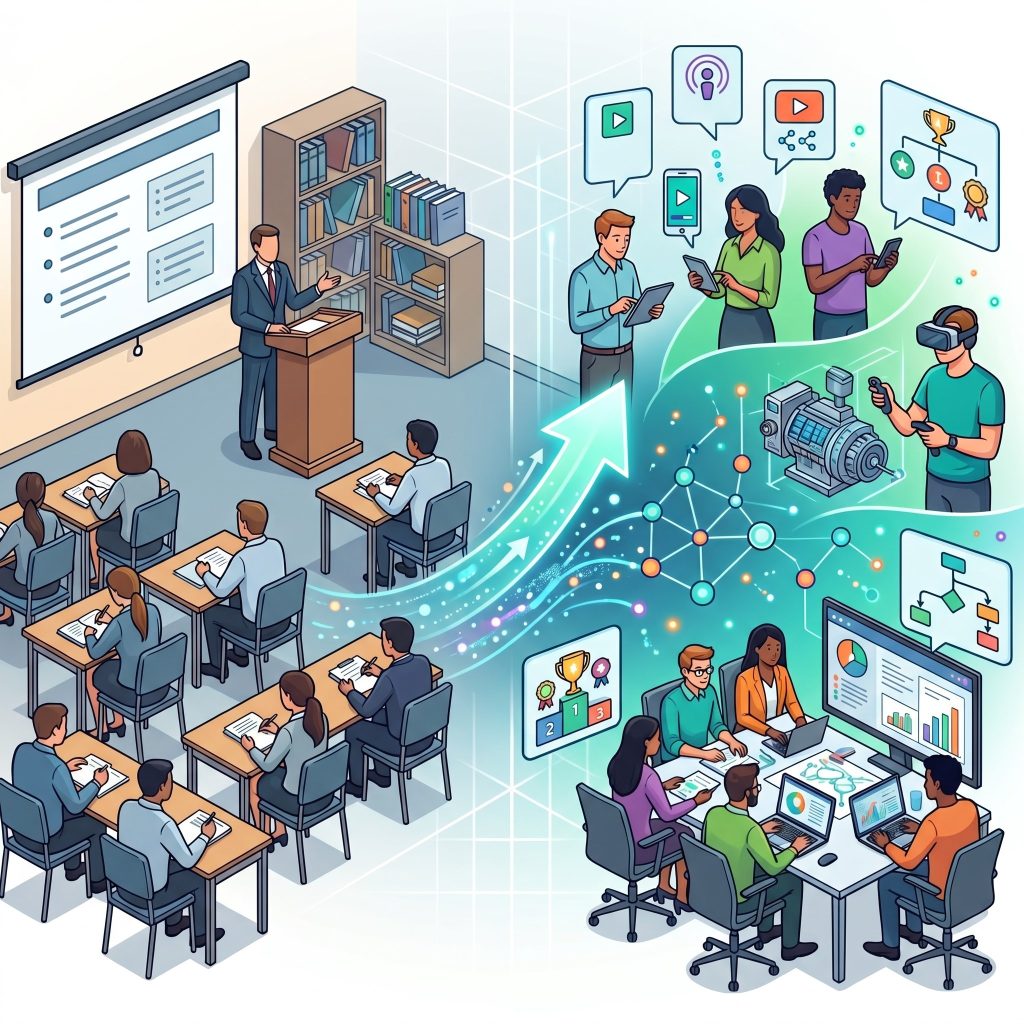 Traditional training programs often rely on surface-level metrics such as course completion rates or quiz scores, which do not accurately reflect real skill development. Consultant e learning takes a more practical approach by focusing on measurable business outcomes. Instead of asking whether employees finished a module, organizations evaluate how training impacts daily performance, productivity, and decision-making quality. This can include tracking sales improvements, customer satisfaction scores, error reduction rates, or faster task completion times. By linking learning outcomes directly to business KPIs, companies gain a clearer understanding of whether training is truly effective. This performance-driven measurement approach ensures that learning investments translate into tangible organizational growth rather than just theoretical knowledge retention.
Personalization Through Adaptive Learning Paths
One of the biggest advantages of consultant e learning is the ability to create personalized learning journeys for employees. Not every worker has the same skill level, job role, or learning pace, so a one-size-fits-all training model often fails to deliver results. Adaptive learning paths solve this issue by adjusting content based on individual progress and performance. Employees who already understand basic concepts can move directly to advanced topics, while others receive additional support and foundational training. Consultants design these flexible frameworks by mapping skills to different job roles within the organization. This ensures that every employee receives the right level of training at the right time, increasing engagement, retention, and overall skill development efficiency across the workforce.
Building a Continuous Learning Culture in Organizations
Employee development should not stop after a training program ends. Modern organizations are shifting toward continuous learning cultures where skill development becomes part of everyday work life. Consultant e learning supports this transition by providing structured digital content that can be accessed anytime, combined with ongoing updates from experts. Employees are encouraged to revisit training materials, apply new techniques, and participate in discussions long after the initial course is completed. Managers also play a key role by reinforcing learned skills through real-world assignments and feedback. Over time, this creates a workplace environment where learning is constant, curiosity is encouraged, and employees feel empowered to grow their skills continuously rather than treating training as a one-time event.
Frequently Asked Questions
What is consultant e learning?
Consultant e learning is a customized training approach where industry experts or consultants design and deliver digital learning programs tailored to a company’s specific needs. Instead of generic training modules, employees receive content based on real workplace challenges, tools, and goals, making learning more practical and effective.
How is consultant e learning different from traditional corporate training?
Traditional corporate training usually relies on pre-built, generic courses that are not tailored to a company’s workflow. Consultant e learning, on the other hand, is fully customized by subject matter experts who understand your business environment. This makes the training more relevant, engaging, and directly applicable to daily job tasks.
How does consultant e learning differ from traditional LMS courses?
Standard Learning Management System (LMS) courses are typically pre-packaged, generic modules designed to appeal to the widest possible audience. Consultant-led learning is entirely bespoke. An expert builds the curriculum specifically for your workforce, incorporating your exact processes, terminology, and business goals into the material.
Is this approach cost-effective for small businesses?
Yes, it can be highly cost-effective. While hiring an expert to build a custom program requires a higher initial investment than buying an off-the-shelf course, the return on investment is drastically higher. Because the training is tailored, employees actually adopt the new skills, leading to tangible improvements in productivity and revenue. Furthermore, once the digital asset is created, you can use it to train future hires at no additional cost.
How do we keep the training material updated over time?
Industries change rapidly, and training materials can become outdated. Organizations typically structure their contracts to include annual curriculum reviews. The consultant will review the modules once a year, record brief update videos, or adjust the curriculum to reflect new industry standards or shifts in the company’s strategic direction.
Empower Your Workforce for the Future
Generic training software will never give your company a competitive edge. If your competitors are using the exact same off-the-shelf modules to train their staff, your workforce will never outperform theirs. True skill development requires context, expertise, and engagement.
By embracing consultant e learning, you provide your employees with the exact tools and knowledge they need to succeed in their specific roles. You replace boring, irrelevant content with dynamic, highly tailored mentorship that scales across your entire organization.