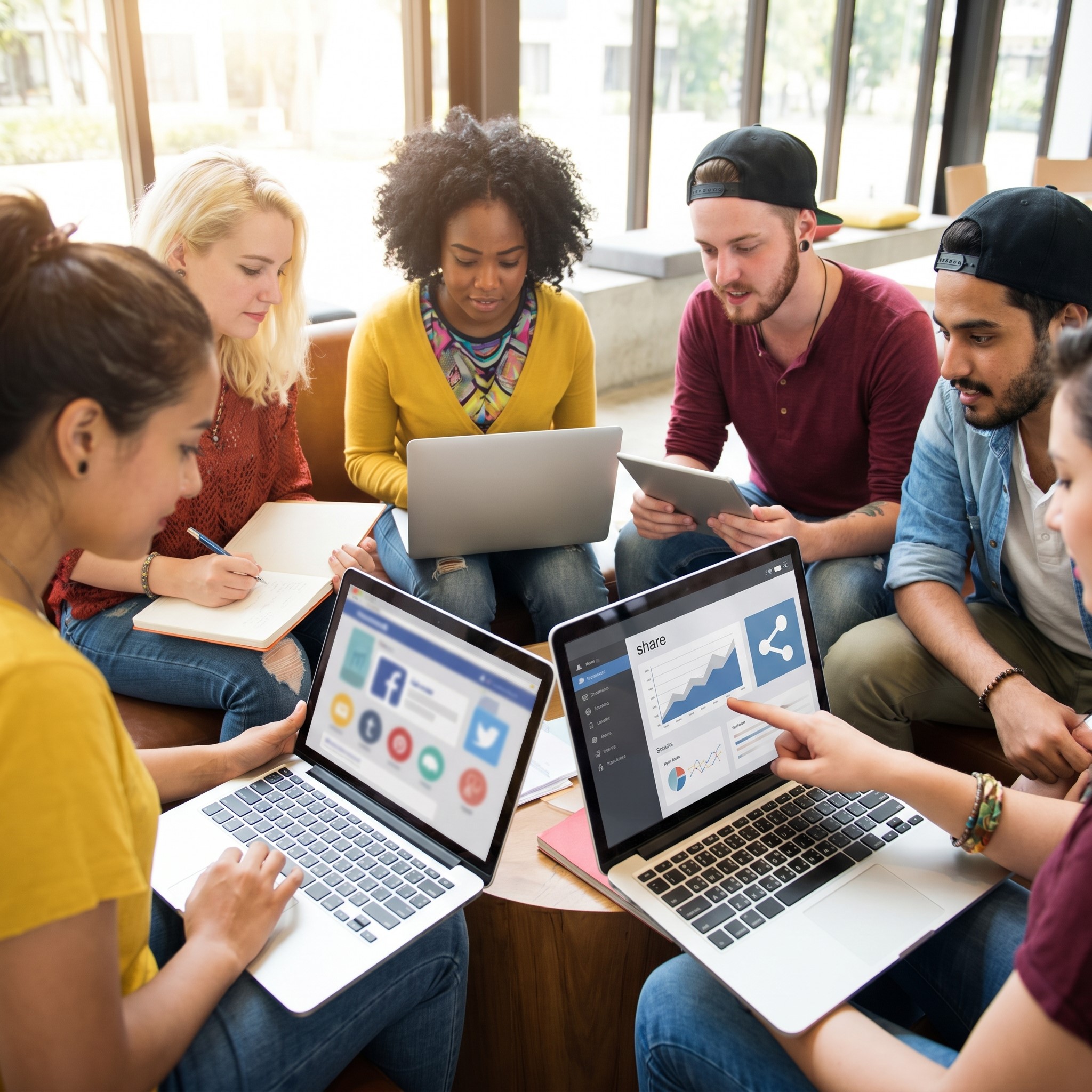
The rapid growth of digital technology has transformed nearly every aspect of modern life, including education. Among the most influential developments has been the rise of social media platforms, which have evolved far beyond their original purpose of connecting friends and sharing personal updates. Today, social media plays a significant role in education, offering students and educators new ways to communicate, collaborate, and access information.
Educational institutions around the world are increasingly incorporating social media into learning environments to enhance student engagement and improve academic performance. From virtual discussions and collaborative projects to educational content sharing and professional networking, social media has become a powerful tool that supports learning both inside and outside the classroom.
While some concerns exist regarding distractions and excessive screen time, the positive impact of social media for education is becoming increasingly evident. When used effectively, these platforms can help students develop critical skills, access valuable resources, and achieve better educational outcomes.
This article explores the impact of social media on student achievement and examines how educators, schools, and learners can maximize its benefits.
Understanding Social Media in Education
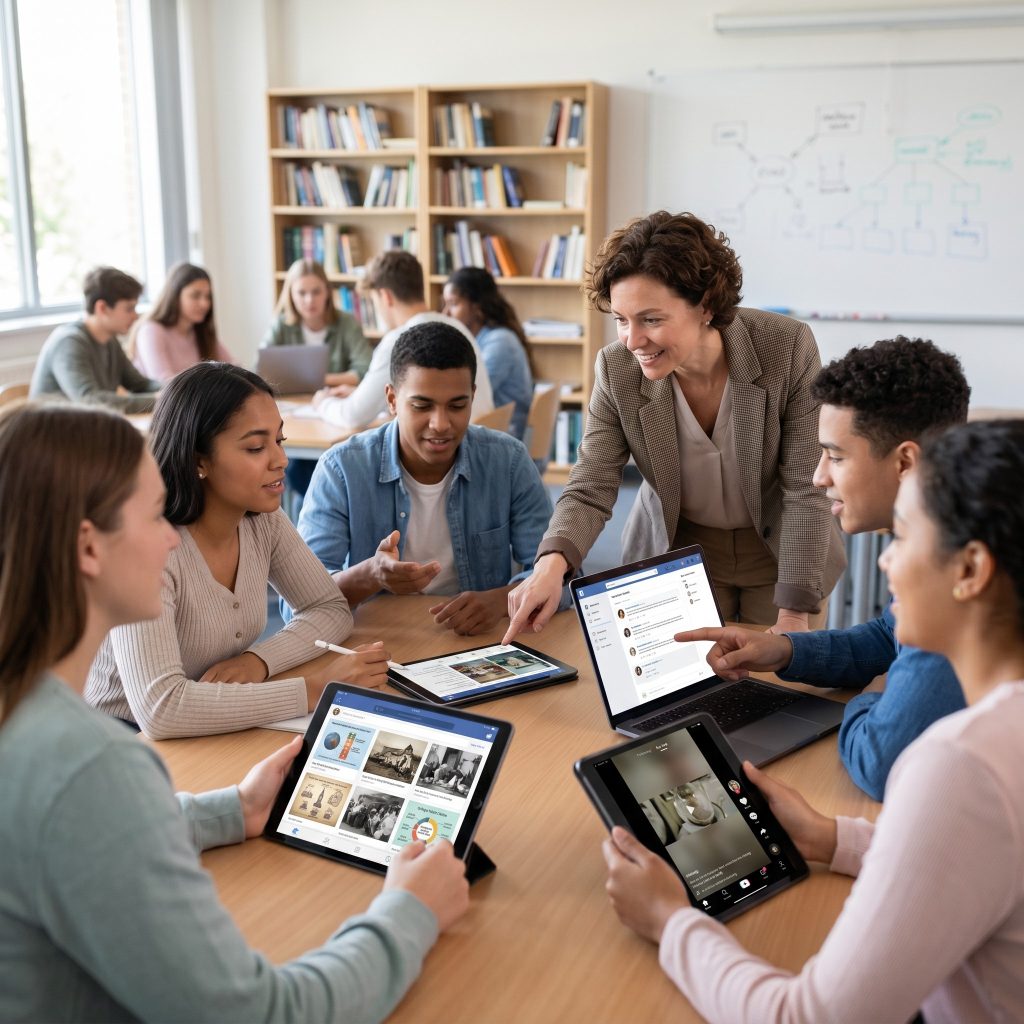 Social media in education refers to the use of digital platforms that facilitate communication, content sharing, collaboration, and interaction among students, teachers, and educational institutions. Unlike traditional learning environments that are limited by classroom walls and schedules, social media creates opportunities for continuous learning. Students can access educational materials, participate in discussions, ask questions, and collaborate with peers at any time and from virtually any location.
Platforms commonly used in educational settings support a wide range of learning activities, including group discussions, project collaboration, content creation, peer feedback, and academic networking.As educational technology continues to evolve, social media is becoming an increasingly important component of modern learning strategies.
Increasing Student Engagement
Student engagement is one of the most important factors influencing academic success. Engaged students are more likely to participate actively, retain information, and achieve positive learning outcomes. Social media provides interactive learning experiences that encourage participation and involvement. Students can contribute to discussions, share ideas, and collaborate with classmates in ways that feel familiar and accessible.
Interactive content such as videos, polls, quizzes, live streams, and discussion forums often captures student attention more effectively than traditional lecture-based approaches. By creating opportunities for active participation, social media helps transform students from passive recipients of information into active contributors to the learning process.
Enhancing Communication Between Students and Teachers
Effective communication plays a critical role in educational success. Social media platforms provide additional channels for interaction between educators and students. Teachers can share announcements, distribute learning materials, answer questions, and provide feedback in real time.
Students benefit from easier access to support and guidance outside of regular classroom hours. This increased accessibility helps create stronger relationships between educators and learners while reducing communication barriers. Improved communication also encourages greater student confidence and participation, contributing to more positive educational experiences.
Supporting Collaborative Learning
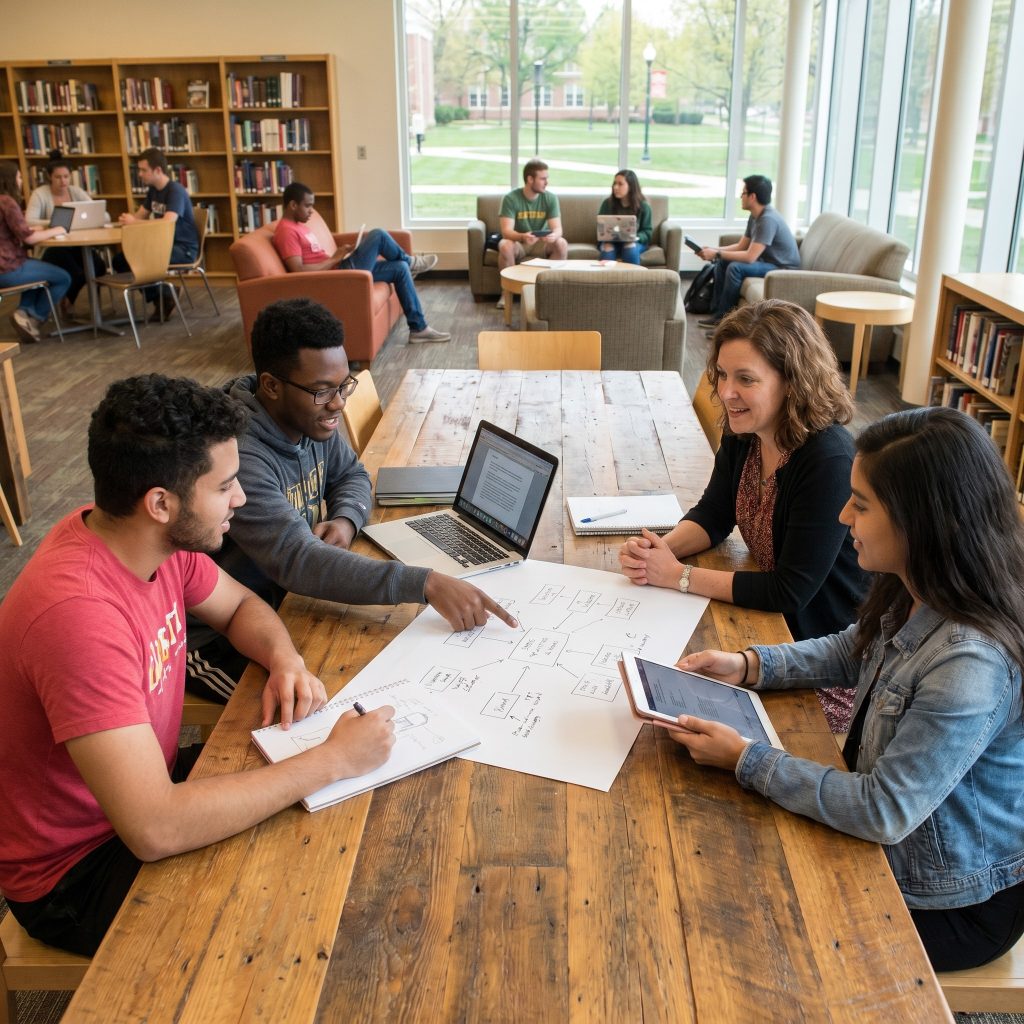 Collaboration is an essential skill in both academic and professional environments. Social media facilitates teamwork by enabling students to work together on projects regardless of physical location. Shared documents, discussion groups, messaging tools, and collaborative platforms allow learners to exchange ideas and coordinate tasks efficiently.
Collaborative learning encourages critical thinking, problem-solving, communication, and teamwork skills. Students learn from one another’s perspectives while developing the ability to work effectively within diverse groups. These experiences help prepare learners for future workplace environments where collaboration is increasingly important.
Expanding Access to Educational Resources
One of the greatest advantages of social media is its ability to provide access to vast amounts of information. Students can discover educational videos, articles, tutorials, research findings, webinars, and expert insights across a wide range of subjects. This expanded access helps learners supplement classroom instruction and explore topics in greater depth.
Educational communities and professional networks also enable students to connect with experts, mentors, and peers from around the world. The availability of diverse learning resources supports personalized education and encourages independent exploration.
Encouraging Self-Directed Learning
Modern education increasingly emphasizes the importance of lifelong learning and personal responsibility. Social media empowers students to take greater control of their educational journeys. Learners can identify topics of interest, seek additional resources, participate in educational communities, and pursue knowledge beyond formal curriculum requirements.
The growing popularity of technologies such as a self learning AI chatbot further supports independent learning. These tools provide personalized assistance, answer questions, and guide students through complex concepts, complementing educational content shared through social media platforms. By fostering curiosity and initiative, social media helps students develop habits that support continuous learning throughout their lives.
Improving Digital Literacy Skills
Digital literacy has become a fundamental competency in today’s technology-driven world. Through responsible use of social media, students learn how to navigate digital environments, evaluate information sources, communicate effectively online, and protect their privacy.
These skills are essential for academic success, career development, and informed citizenship. Educational use of social media provides opportunities for students to practice digital literacy in meaningful contexts while learning how to use technology responsibly and ethically.
Building Global Learning Communities
Traditional education often limits interactions to local classrooms and communities. Social media removes geographic barriers by connecting students with individuals and institutions around the world. Learners can participate in international discussions, collaborate on global projects, and gain exposure to diverse perspectives and cultures.
These global connections broaden understanding, encourage cultural awareness, and promote inclusivity. By engaging with international learning communities, students develop a more comprehensive view of global issues and opportunities.
Supporting Diverse Learning Styles
 Students learn in different ways. Some prefer visual content, while others benefit from discussions, hands-on activities, or written materials. Social media platforms support multiple forms of content, including videos, infographics, podcasts, articles, live sessions, and interactive discussions. This variety allows educators to present information in ways that accommodate different learning preferences.
Flexible learning experiences help improve comprehension, retention, and engagement among diverse student populations. Personalized learning opportunities contribute to stronger academic performance and increased student satisfaction.
Strengthening Critical Thinking Skills
The abundance of information available online requires students to think critically about the content they consume. Social media exposes learners to various viewpoints, arguments, and sources of information. Evaluating credibility, identifying misinformation, and analyzing differing perspectives help students develop critical thinking skills.
Educators can use social media discussions to encourage thoughtful analysis, debate, and evidence-based reasoning. These experiences prepare students to make informed decisions and navigate complex information environments effectively.
Bridging Formal and Informal Learning
Education extends beyond traditional classroom settings. While the formal education definition typically refers to structured learning provided through schools, colleges, and universities, social media supports learning opportunities that occur outside conventional educational environments.
Students frequently engage with educational content through online communities, discussion groups, tutorials, and professional networks. These experiences complement classroom instruction and expand learning opportunities beyond institutional boundaries.
Similarly, concepts associated with non formal education emphasize flexible learning experiences that occur outside traditional academic structures. Social media plays a significant role in facilitating these alternative learning pathways. Together, formal and informal learning experiences create more comprehensive educational journeys.
Increasing Motivation and Participation
Motivated students are more likely to invest effort in their studies and achieve academic success. Social media can increase motivation by making learning more interactive, relevant, and enjoyable. Features such as gamification, recognition, peer interaction, and content sharing encourage active participation.
Students often appreciate opportunities to showcase their work, receive feedback, and engage with broader audiences. These experiences create a sense of ownership and accomplishment that supports continued engagement and academic achievement.
Preparing Students for Future Careers
Many professions now require strong digital communication and collaboration skills. By using social media in educational settings, students gain practical experience with tools and platforms commonly used in modern workplaces. They learn how to communicate professionally, build digital networks, and manage online identities.
Educational institutions can also use social media to connect students with industry professionals, career resources, internships, and networking opportunities. These experiences help bridge the gap between education and employment while improving career readiness.
Addressing Challenges and Risks
Despite its many benefits, social media also presents challenges that must be managed carefully.
Distractions, cyberbullying, misinformation, privacy concerns, and excessive screen time can negatively affect student experiences if left unaddressed.
Educational institutions should establish clear guidelines for responsible social media use and provide digital citizenship training. Teachers and parents can play important roles in helping students develop healthy online habits.
When risks are managed effectively, the educational benefits of social media can far outweigh potential drawbacks.
Best Practices for Using Social Media in Education
Successful integration of social media into education requires thoughtful planning and implementation.
Educators should align social media activities with learning objectives and ensure that platforms support meaningful educational outcomes. Clear expectations, active moderation, and appropriate privacy measures contribute to positive learning environments.
Encouraging respectful communication, critical evaluation of information, and responsible digital behavior helps maximize educational benefits.
Schools should also provide training and support to ensure that both educators and students can use social media effectively and safely.
The Future of Social Media in Education
The role of social media in education is likely to expand as technology continues to evolve.
Artificial intelligence, virtual reality, augmented reality, adaptive learning systems, and personalized educational platforms are creating new opportunities for interactive learning experiences.
Future social media tools may offer even greater customization, collaboration, and accessibility, enabling students to learn more effectively and engage with educational content in innovative ways.
As educational institutions continue embracing digital transformation, social media will remain a valuable component of modern learning ecosystems.
Frequently Asked Questions (FAQs)
1. How does social media improve student achievement?
Social media improves student achievement by increasing engagement, encouraging collaboration, providing access to educational resources, and supporting communication between students and teachers. These factors contribute to better learning outcomes and academic performance.
2. Why is social media important in education?
Social media creates opportunities for interactive learning, knowledge sharing, and global collaboration. It helps students access information quickly, participate in discussions, and develop digital skills that are valuable in both education and future careers.
3. Can social media increase student engagement?
Yes, social media can significantly increase student engagement through interactive content, online discussions, multimedia resources, and collaborative activities. Students often find these learning methods more engaging than traditional instructional approaches.
4. What are the benefits of social media for collaborative learning?
Social media enables students to communicate, share ideas, work on group projects, and exchange feedback regardless of location. This promotes teamwork, problem-solving, communication skills, and active participation in the learning process.
5. How does social media support self-directed learning?
Social media allows students to explore topics independently, access educational content, join learning communities, and connect with experts. These opportunities encourage curiosity, personal growth, and lifelong learning habits.
6. What digital skills can students develop through social media?
Students can develop digital literacy, online communication, critical thinking, information evaluation, content creation, and cybersecurity awareness. These skills are increasingly important in academic, professional, and personal settings.
7. Are there any risks associated with using social media in education?
Potential risks include distractions, cyberbullying, misinformation, privacy concerns, and excessive screen time. However, proper guidance, digital citizenship education, and responsible use policies can help minimize these challenges.
8. How does social media help students prepare for future careers?
Social media helps students build professional communication skills, expand networks, collaborate digitally, and stay informed about industry trends. These experiences improve career readiness and workplace adaptability.
9. Can social media complement traditional classroom learning?
Yes, social media complements classroom learning by providing additional resources, discussion opportunities, peer collaboration, and flexible access to educational content beyond school hours.
10. What is the future of social media in education?
The future of social media in education includes greater integration with artificial intelligence, personalized learning systems, virtual reality, and interactive digital platforms that enhance student engagement and learning experiences.
Conclusion
Social media has become a powerful force in modern education, influencing how students learn, communicate, collaborate, and access information. When used thoughtfully, it can significantly enhance student engagement, improve academic achievement, strengthen digital literacy, and support lifelong learning.
From fostering global connections and collaborative learning to encouraging independent study and skill development, social media offers numerous opportunities to enrich educational experiences. Although challenges exist, responsible implementation and proper guidance can help educators maximize benefits while minimizing risks.