Primary education is where everything begins. Long before a child steps into a high school classroom or considers higher education, the skills, habits, and mindsets they develop in their earliest years of schooling shape the trajectory of their entire lives. From learning to read and write to forming their first friendships, primary school is the arena in which children first learn how to be students—and how to be people.
Yet primary education doesn’t always get the attention it deserves. Conversations about education reform tend to focus on secondary schooling, university access, or the rise of mobile learning apps and AI in education. These are important conversations. But they risk overshadowing the stage that makes all the rest possible.
This post explores why primary education matters so deeply, what it looks like when it works well, and how emerging trends in technology are beginning to reshape what early childhood learning can achieve.
What Is Primary Education, and Why Does It Matter So Much?
Primary education typically refers to the first stage of formal schooling, covering children between the ages of five and eleven or twelve, depending on the country. It lays the groundwork for everything that follows—reading comprehension, basic numeracy, social skills, and the capacity to learn independently.
According to UNESCO, approximately 650 million children worldwide are currently enrolled in primary school. That figure represents an enormous opportunity. The quality of education those children receive during these years will have consequences that ripple outward for decades—shaping their health outcomes, economic productivity, and civic participation as adults.
Research consistently shows that strong early education leads to better performance later in schooling, higher likelihood of completing higher education, and improved long-term earning potential. The returns on investment in primary education are among the highest of any public policy area.
How Primary Education Shapes Cognitive Development
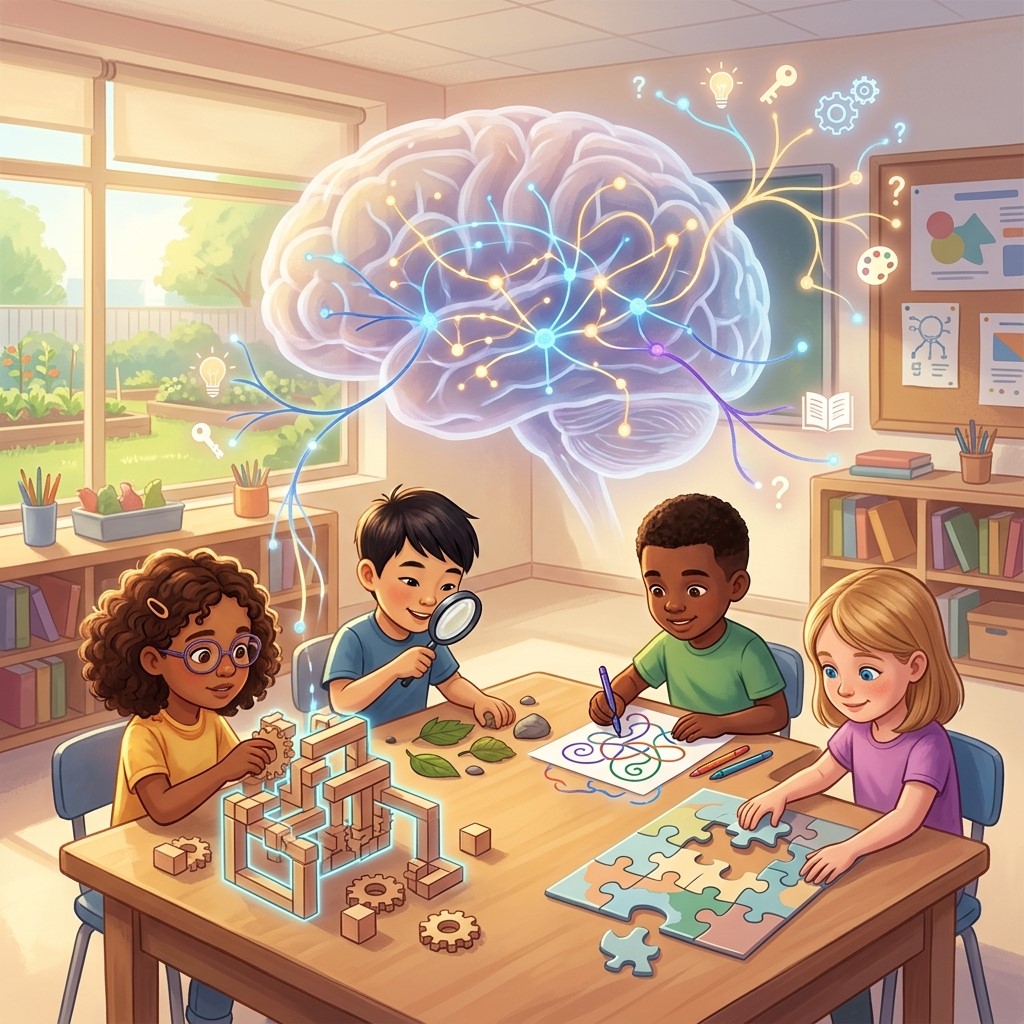 The human brain develops more rapidly between birth and age ten than at any other point in life. Primary school years fall right in the middle of this critical window. During this period, children are not just learning facts—they are developing the cognitive frameworks through which they will interpret the world for the rest of their lives.
Building Literacy and Numeracy From the Ground Up
Reading and mathematics are the two pillars of early academic development. Strong literacy skills—the ability to decode, comprehend, and critically engage with text—are prerequisites for learning in virtually every other subject area. A child who struggles to read at eight will likely struggle in history, science, and social studies at twelve.
Similarly, early numeracy skills do more than prepare children for mathematics class. They build logical reasoning, pattern recognition, and the ability to think sequentially. These are cognitive tools with broad applications across disciplines.
Research from the Early Childhood Longitudinal Study (ECLS) in the United States found that children’s reading and math skills at kindergarten entry were among the strongest predictors of their academic performance through elementary school. What happens early matters—a lot.
Critical Thinking Begins Earlier Than Most People Think
Primary education also plays a foundational role in developing critical thinking. When a child learns to ask “why,” to compare two options, or to explain their reasoning, they are practicing the same cognitive skills that will serve them in advanced academic and professional settings later in life.
Good primary schools actively nurture this disposition. They create environments where questions are welcomed, where children learn from mistakes, and where curiosity is treated as an asset rather than an inconvenience.
The Role of Primary Education in Social and Emotional Development
Cognitive development is only one piece of the picture. Primary school is also where children develop the social and emotional skills that underpin healthy relationships, resilience, and wellbeing throughout life.
Learning to Work With Others
For many children, primary school represents their first sustained experience of being part of a group outside the family. They learn to share, to take turns, to manage conflict, and to collaborate toward shared goals. These are not trivial skills. They are the building blocks of functional social behavior and, later, effective teamwork in professional environments.
Teachers in primary schools often serve as important role models outside the home—sometimes the first adults beyond their immediate families that children learn to trust, respect, and learn from. The quality of these relationships matters enormously for children’s sense of safety and willingness to engage with the school environment.
Emotional Regulation and Resilience
Primary education also provides structured opportunities for children to develop emotional regulation—the ability to manage frustration, disappointment, excitement, and anxiety in constructive ways. Classrooms that are emotionally supportive, with consistent routines and responsive teachers, help children build the internal resources they need to navigate challenges.
The World Health Organization has highlighted the importance of social-emotional learning (SEL) in early education, noting that children who develop strong SEL skills show better mental health outcomes and greater academic achievement over time.
Primary Education as a Gateway to Higher Education and Lifelong Learning
 The connection between primary education and higher education is not speculative—it is well-documented. Children who receive a strong foundational education are significantly more likely to complete secondary school, pursue tertiary qualifications, and engage in lifelong learning.
The opposite is also true. Children who fall behind in primary school often struggle to catch up. Learning gaps that emerge early tend to widen over time rather than close, creating what researchers refer to as “cumulative disadvantage.” Addressing these gaps at the primary level is far more effective—and less costly—than remediation at the secondary or post-secondary level.
This makes equity in primary education a matter of profound importance. When access to quality primary schooling is unevenly distributed across socioeconomic, geographic, or racial lines, the consequences compound across generations.
How Technology Is Transforming Primary Education
The landscape of primary education is not static. Over the past decade, rapid advances in mobile learning apps and AI in education have begun to reshape what early childhood learning looks like in practice.
Mobile Learning Apps in the Primary Classroom
Mobile learning apps have become increasingly common tools in primary classrooms around the world. Platforms like Khan Academy Kids, Duolingo ABC, and Google Classroom for Education offer interactive, personalized learning experiences that complement traditional instruction. When used thoughtfully, these tools can help teachers differentiate learning, engage reluctant learners, and provide immediate feedback that reinforces key concepts.
The key word is “thoughtfully.” Screen time in early childhood remains a nuanced issue, and educators are still developing best practices for integrating mobile learning apps in developmentally appropriate ways. The technology is a tool—its value depends entirely on how it is used.
AI in Education: Personalized Learning at Scale
AI in education is moving quickly from experimental to mainstream. Adaptive learning platforms use AI algorithms to track individual student progress and adjust content accordingly, offering each child a learning experience tailored to their current level. For primary school teachers managing classrooms of 25 or 30 students, this kind of personalization at scale is genuinely transformative.
AI tools can also help identify students who may be at risk of falling behind—flagging patterns in performance data that a teacher might not notice amid the demands of daily classroom life. Early identification of learning difficulties, such as dyslexia or dyscalculia, allows for earlier intervention, which research consistently shows leads to better outcomes.
That said, AI in education raises legitimate questions about data privacy, equity of access, and the risk of over-relying on algorithmic assessments in lieu of teacher judgment. These are conversations the education sector will need to have carefully and with urgency as adoption accelerates.
What Makes a Quality Primary Education?
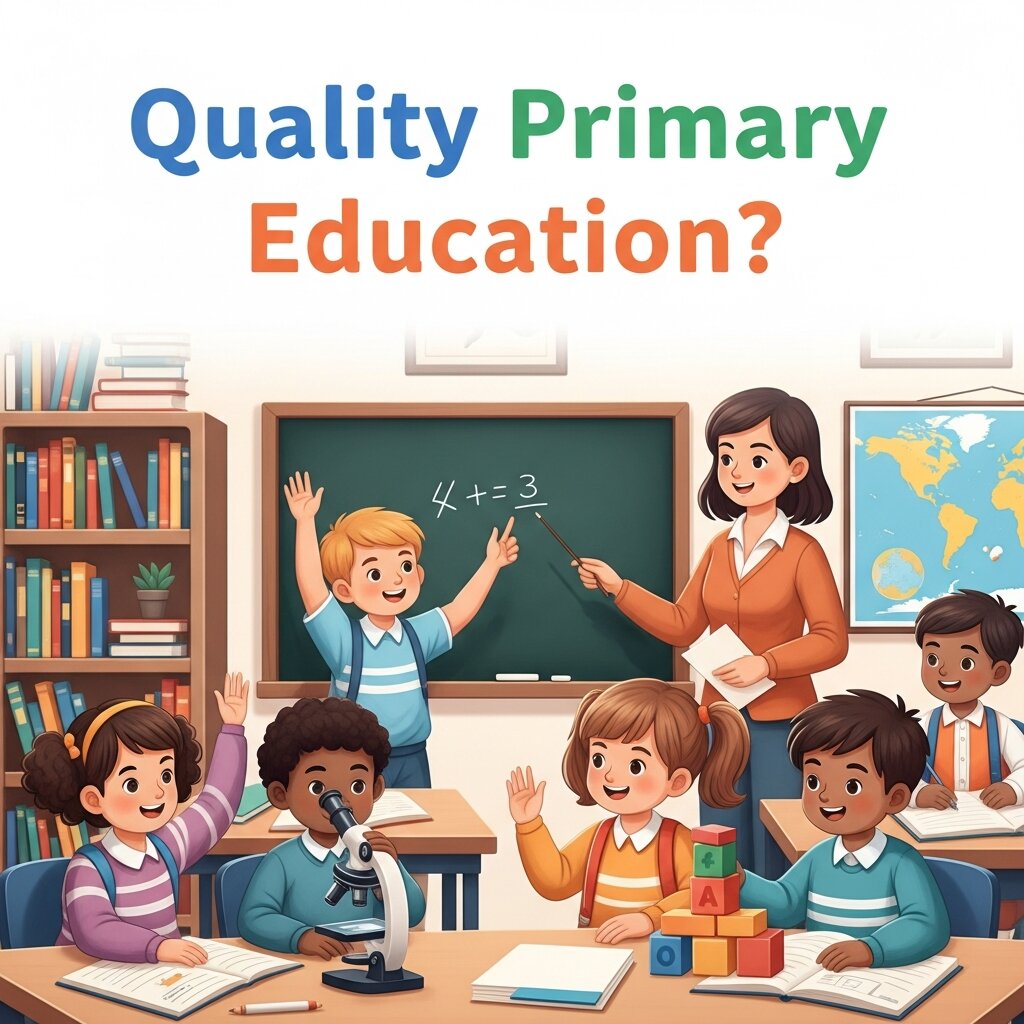 Not all primary education is equal. Research and practice have converged on a number of factors that distinguish high-quality primary schooling from the rest.
Qualified, supported teachers are the single most important in-school factor in student achievement. Teacher quality matters more than class size, curriculum design, or technology access. Investing in teacher training, ongoing professional development, and competitive compensation is the highest-leverage action any education system can take.
Safe, stable learning environments allow children to focus on learning rather than managing anxiety or navigating interpersonal conflict. Physical safety, emotional safety, and predictable routines all contribute to an environment in which children can thrive.
Strong family engagement amplifies the impact of formal schooling. When parents and caregivers are informed, involved, and supportive of their children’s learning at home, the benefits extend well beyond what any school can achieve on its own.
Inclusive practices ensure that children with diverse learning needs—whether due to disability, language background, or other factors—receive the support required to participate fully in the learning environment.
Challenges Facing Primary Education in the Real World
While the importance of primary education is widely recognized, delivering it effectively remains a major challenge in many parts of the world. The gap between policy ideals and classroom reality is often wide, especially in low-resource or rural settings.
One of the most persistent issues is unequal access. In many regions, children still face barriers such as long travel distances to schools, lack of transportation, or even the absence of nearby educational facilities. Even when schools are available, overcrowded classrooms can make it difficult for teachers to give individual attention, reducing the overall quality of learning.
Another major challenge is the shortage of trained teachers. In some systems, educators are expected to manage large classes with limited training, support, or teaching materials. This directly impacts learning outcomes, especially in foundational subjects like reading and mathematics where early misconceptions can create long-term difficulties.
Socioeconomic factors also play a critical role. Children from low-income families may face additional pressures such as child labor, household responsibilities, or limited access to learning materials at home. These external factors often lead to higher absenteeism and lower academic performance, further widening inequality at an early age.
Finally, infrastructure gaps—such as lack of electricity, clean water, or digital access—continue to limit the effectiveness of many primary schools. Without addressing these foundational issues, even the most well-designed curriculum struggles to achieve its intended impact.
The Future of Primary Education: Blending Human Teaching with Smart Technology
The future of primary education is likely to be shaped by a careful balance between traditional classroom teaching and emerging digital tools. Rather than replacing teachers, technology is increasingly being positioned as a support system that enhances what educators can do.
One key direction is the rise of hybrid learning models. In this approach, students combine classroom instruction with digital platforms that allow for personalized practice at their own pace. This helps address one of the biggest classroom challenges: the wide variation in learning speed among students. Some children may grasp concepts quickly, while others need repetition and reinforcement—technology can help bridge that gap more effectively.
Artificial intelligence is also expected to play a growing role in early education. AI-powered tools can analyze student performance patterns and suggest tailored learning paths, helping teachers identify struggling students earlier. This shift allows education to become more proactive rather than reactive, focusing on prevention of learning gaps instead of later remediation.
At the same time, there is a growing emphasis on ethical and balanced technology use. Educators are increasingly aware that over-reliance on screens or algorithm-driven systems can reduce human interaction, which is essential for social and emotional development at the primary level. The challenge for the future is not just technological innovation, but thoughtful integration that keeps children’s developmental needs at the center.
FAQ: Primary Education
1. What is primary education?
Primary education is the first stage of formal schooling for children, usually between ages 5–11 or 12. It focuses on building basic skills in reading, writing, mathematics, and social development.
2. Why is primary education important?
Primary education is important because it builds the foundation for all future learning. It shapes cognitive abilities, social skills, emotional development, and long-term academic success.
3. How does primary education affect a child’s future?
Strong primary education improves academic performance, increases chances of completing higher studies, and supports better career opportunities and lifelong learning skills.
4. What skills are developed in primary education?
Children develop literacy, numeracy, critical thinking, communication, problem-solving, teamwork, and emotional regulation during primary education.
5. What role do teachers play in primary education?
Teachers are crucial in guiding learning, building confidence, and creating a safe and supportive environment that encourages curiosity and development in young learners.
6. How does primary education support social development?
Primary school helps children learn cooperation, sharing, conflict resolution, and communication skills by interacting with peers and teachers in structured environments.
7. How is technology used in primary education?
Technology such as mobile learning apps and AI tools supports personalized learning, improves engagement, and helps teachers track student progress more effectively.
8. What makes a good primary education system?
A good system includes trained teachers, safe classrooms, inclusive learning environments, strong curriculum design, and active involvement from parents and caregivers.
9. What challenges does primary education face today?
Challenges include unequal access, lack of resources, teacher shortages, and the need to integrate technology effectively while maintaining quality learning outcomes.
Investing in Primary Education Means Investing in the Future
Every conversation about higher education, workforce development, or national economic competitiveness eventually traces back to the same starting point: what happens in the early years of a child’s education. Primary school is not simply preparation for what comes next. It is a critical period of development in its own right—one that shapes cognition, character, and capability in ways that persist for a lifetime.
The challenges facing primary education globally are real and serious. Teacher shortages, funding inequities, infrastructure gaps, and the uneven rollout of tools like mobile learning apps and AI in education all require sustained attention and political will. But the opportunity is equally real.